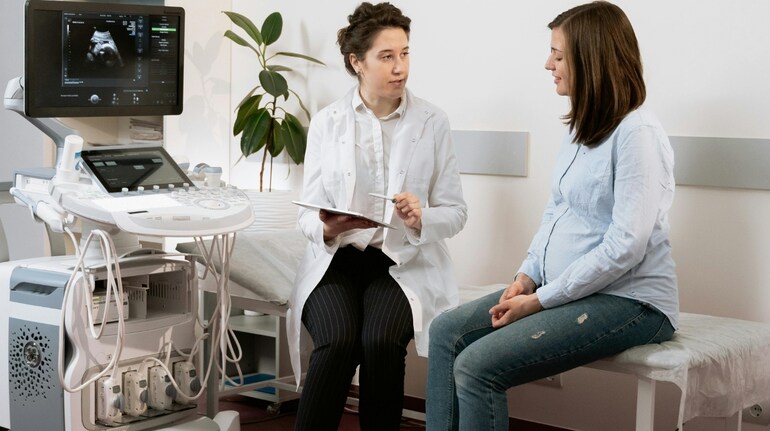

There was a time when women were told to “settle down” before the clock ran out. Bit today, egg freezing has emerged as a way for women to plan their future on their own terms; careers, health, relationships and more.
Nevertheless, egg freezing isn’t magic.
Dr Navina Singh, Fertility Specialist, Birla Fertility & IVF, Mumbai, says, “Egg freezing is a powerful tool, but only when approached with awareness, correct timing and realistic expectations.”
Biology, she says, unfortunately, hasn’t modernised. “Egg quality and quantity decline steadily with age”. Women around 30 may retrieve about 15 mature eggs in a cycle. By 35, that number drops closer to 11. At 40, it can fall to just six. “Age directly impacts both the number of eggs we can retrieve and their potential,” explains Dr Singh and adds, “That’s why earlier planning often translates into better outcomes.” Doctors agree that freezing 14–20 mature eggs gives a reasonable chance at a future live birth. For women under 38 who manage to preserve 20 or more eggs, studies suggest up to a 70 per cent chance of at least one live birth. Not a promise, but encouraging odds.
Start with a thorough fertility assessment. AMH levels and antral follicle counts help doctors tailor the plan to your body.
“Conditions like PCOS, thyroid issues or past surgeries can change how we stimulate the ovaries,” says Dr Singh. Transparency matters.
Balanced meals, good hydration and gentle exercise support hormone health. Think yoga, walking and light cardio, not boot camps.
These directly affect egg quality and ovarian response.
Only take what’s medically indicated. Random pills can do more harm than good.
Some women need more than one round to reach a safe egg count.
Also Read: Should you freeze your eggs or embryo? Gynecologist reveals what's best for you
Take it easy for a few days. Mild bloating and heaviness are common. Gentle movement helps, but intense workouts don’t. “Your ovaries remain enlarged for a short while, so heavy exercise can be risky,” warns Dr Singh.
Keep an eye on warning signs like severe pain, vomiting or sudden weight gain, and call your clinic if they show up. Also, review your results. You may need another cycle, and that’s normal. Most importantly, don’t freeze eggs and forget about your body. “Frozen eggs don’t replace overall reproductive health,” says Dr Singh. “Future pregnancy still depends on uterine health and general wellbeing.”
What is the best age to consider egg freezing?
Egg quality and quantity decline with age. Women in their early 30s have better chances of retrieving a higher number of quality eggs. By the mid-30s, while the number decreases, it is still a viable option. By 40, the number significantly drops, making earlier planning crucial.
How many eggs should I freeze for a reasonable chance of future pregnancy?
Doctors suggest freezing 14–20 mature eggs for a reasonable chance at a future live birth. Women under 38 who preserve 20 or more eggs have a 70 per cent chance of at least one live birth.
What factors affect egg freezing success?
Age is a significant factor. Other factors include overall health, medical history, and lifestyle choices.
Disclaimer: This article, including health and fitness advice, only provides generic information. Don’t treat it as a substitute for qualified medical opinion. Always consult a specialist for specific health diagnosis.
Discover the latest Business News, Sensex, and Nifty updates. Obtain Personal Finance insights, tax queries, and expert opinions on Moneycontrol or download the Moneycontrol App to stay updated!
Find the best of Al News in one place, specially curated for you every weekend.
Stay on top of the latest tech trends and biggest startup news.