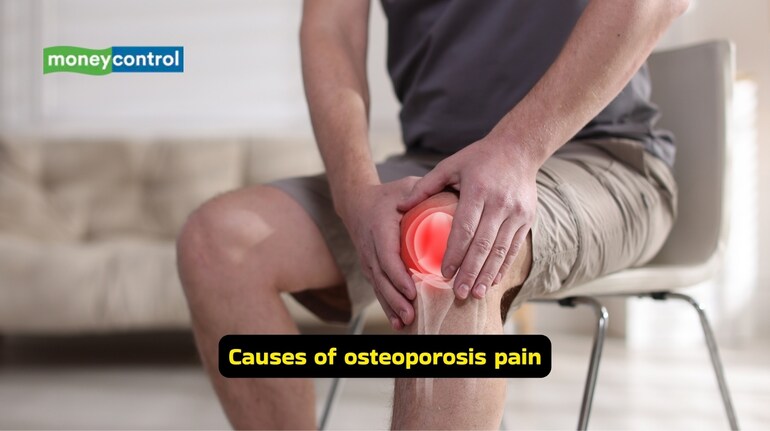

Osteoporosis, a condition where bones become weak and more likely to fracture, often worsens during the winter months. Limited sunlight exposure and reduced outdoor activity, along with sedentary habits in cold weather, negatively impact bone health. The shorter days and freezing temperatures can deter people from staying active, leading to muscle atrophy and decreased bone density. Low levels of vitamin D, crucial for calcium absorption, further increase the risk of osteoporosis in winter.
This lack of activity is particularly harmful for older adults, postmenopausal women, and those with pre-existing low bone density, experts warn. Individuals with balance impairments are more prone to slips or falls, which can easily result in fractures.
However, the good news is that osteoporosis is not inevitable. Small, consistent lifestyle changes, especially exercises designed to improve bone health, can keep your bones strong throughout the winter.
Also read | Prevent osteoporosis: Boost your calcium and Vitamin D levels, exercise regularly
“Weight-bearing and strength-building activities are vital for stimulating bone formation. They enhance balance, posture, and muscle strength, which significantly helps prevent bone health issues,” Dr Krishna Mehra, Senior Consultant Orthopaedic Surgeon and Bone Health Specialist, tells Moneycontrol.
During winter, people tend to stay indoors more and engage in less physical activity. Vitamin D, essential for calcium absorption, is produced through sunlight exposure, and any deficiency in this can lead to calcium deficiency. Combined with a lack of movement, this creates a perfect scenario for losing bone density.
Doctors recommend weight-bearing exercises such as brisk walking, stair climbing, or jogging in place. These activities require bones to work against gravity, thus promoting bone-building activity and preventing bone loss. Even 30 minutes a day can make a noticeable difference.
Also read | World Osteoporosis Day 2025: Beat osteoporosis with yoga, breath, balance, strength
Light strength training with resistance bands or bodyweight exercises like squats and wall push-ups helps improve muscle mass and bone strength. Strong muscles better support bones, reducing the risk of fractures, particularly in the hips and spine.
Yoga, Tai Chi, and basic balance exercises boost coordination and stability. These are crucial in winter when the risk of slipping and falling is higher. Better balance leads to fewer falls and improved posture.
Experts emphasise consistency over intensity. Combine exercise with a diet rich in calcium, adequate vitamin D, and good hydration. Daily, small efforts can protect our bones throughout the winter.
Disclaimer: This article, including health and fitness advice, only provides generic information. Don’t treat it as a substitute for qualified medical opinion. Always consult a specialist for specific health diagnosis.
Discover the latest Business News, Sensex, and Nifty updates. Obtain Personal Finance insights, tax queries, and expert opinions on Moneycontrol or download the Moneycontrol App to stay updated!
Find the best of Al News in one place, specially curated for you every weekend.
Stay on top of the latest tech trends and biggest startup news.