






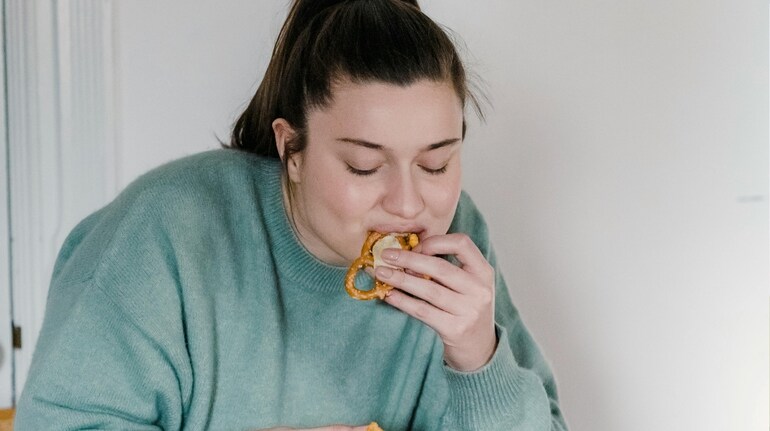

Lack of water, decreased movement and bad dietary choices are known to cause digestive upsets. Learning to recognize these factors and making minor seasonal adjustments as needed can help normalize your bowel habits, promoting healthy gut function.
Constipation, a digestive disorder that is experienced by most people at some point and especially during the winter months, can be frustrating when consuming a diet high in fibre doesn't seem to do anything to help you go. When it comes to sluggish bowels, whole grains, fruits, veggies and seeds are typically the first line of defence. But, just eating more fibre isn't a solution to easy digestion. The truth is, in cold weather some of your lifestyle and eating habits can undo the good effects of fibre and result in bloating, discomfort as well as an irregular bowel movement.
In winters, we are less active, drink less water or turn to soothing comfort food over lighter fresher food which are cooling and spiritually lifting. These changes can slow gut motility and exacerbate constipation. A lot of people also suppress early satiety signals, thinking that fibre alone will do the trick. To help keep your digestion running smoothly, and stay healthy, you need to know how fibre works in the body – and whether you’re making common winter-related mistakes.
"Fibre will go a long way only if it has natural hydration triggers, if people are not drinking enough through the day, they might compromise on bowel health," says Dr. Nikhil Verma, Consultant Gastroenterologist at Metro Digestive Centre, Indore. Winter also derails you’re eating patterns for worse and many of us do end up with our diets all over the place along with our energy levels.
Water is also absorbed by fibre, adding bulk and softening stools. If you’re not sufficiently hydrated, the fibre will have the opposite effect and actually bind your stools together and make you more constipated. Thirst cues may be suppressed during cold conditions and compensatory fluid intake might become insufficient.
Lack of exercise slows movement in the intestines, making it more difficult for stool to pass. Light walking can also help promote bowel activity.
Our winter cravings are usually laced with refined carbohydrates, cheese and fried stuffs. These low-fiber, high-fat foods can sabotage the advantages of a meal high in fiber and slow down digestion.
Many people put off having a bowel movement because they are busy or the weather is cold. If they continue to delay the natural cue, the bowel over time learns to move sluggishly.
Ramping up fibre too fast, without giving your gut chance to adapt, can lead to bloating and constipation. Fibre is best slowly incorporated to prevent digestive cramps.
You need your healthy fats such as olive oil, nuts and seeds to lubricate the intestines. Fulfillingly, low dietary fat (which many use in a diet anyway) can lead to dry, blocky bowel movements.
As comforting as hot drinks can be in the winter, too much caffeine and alcohol can dehydrate our bodies even more and make constipation worse.
And Dr Verma stresses, “Hydration in moderation, movement as a natural stimulus and mindful eating are just as important for good digestion as is fibre”.
1. Why is constipation more common in winter?
Reduced water intake, lower physical activity, and dietary changes can slow digestion during colder months.
2. Does dehydration cause winter constipation?
Yes, people often drink less water in winter, which can make stools hard and difficult to pass.
3. Can lack of exercise worsen constipation in winter?
Yes, staying indoors and being less active can slow bowel movements.
4. What foods help relieve winter constipation?
High-fibre foods like fruits, vegetables, whole grains, nuts, seeds, and warm fluids help improve bowel movement.
5. When should winter constipation be checked by a doctor?
If it lasts more than a few weeks or is associated with pain, blood in stool, or unexplained weight loss.
Disclaimer: This article, including health and fitness advice, only provides generic information. Don’t treat it as a substitute for qualified medical opinion. Always consult a specialist for specific health diagnosis.
Discover the latest Business News, Sensex, and Nifty updates. Obtain Personal Finance insights, tax queries, and expert opinions on Moneycontrol or download the Moneycontrol App to stay updated!
Find the best of Al News in one place, specially curated for you every weekend.
Stay on top of the latest tech trends and biggest startup news.





