
Iran warned Thursday that it could ignite the region’s energy sector if its own oil facilities or ports were targeted, as the war involving the United States and Israel continued to escalate and shake global markets.
A spokesperson for Iran’s military central operational command, Khatam al-Anbiya, issued a stark warning, saying Tehran would respond forcefully to any attacks on its infrastructure. “We will set the region's oil and gas on fire with the slightest attack on Iran's energy infrastructure and ports,” the spokesman said.
The warning came amid rising tensions around the Strait of Hormuz, a strategic waterway through which roughly a quarter of the world’s seaborne oil shipments normally pass. Iran’s newly appointed supreme leader, Mojtaba Khamenei, said the route could be used as leverage during the conflict.
“The lever of blocking the Strait of Hormuz must definitely be used,” Khamenei said in remarks broadcast on state television. The message was delivered by a news anchor rather than by Khamenei himself, who has not appeared publicly since taking power after the death of his father, Ali Khamenei, in a strike late last month. Reports have suggested the new leader was wounded.
The narrow shipping lane -- just 54 kilometres wide at its tightest point -- also carries about a fifth of global liquefied natural gas supplies, making any disruption a major concern for international markets.
Iran’s leadership has vowed to retaliate against Washington over the strikes. “While starting a war is easy, it cannot be won with a few tweets. We will not relent until making you sorry for this grave miscalculation,” Iranian security chief Ali Larijani wrote on X.
The International Energy Agency warned that the conflict could potentially trigger the largest disruption in oil supply the industry has ever seen. Nevertheless, US President Donald Trump signaled that defeating Tehran remained the priority despite the economic risks.
In Israel, Prime Minister Benjamin Netanyahu said the joint campaign by Washington and Tel Aviv was delivering heavy blows to both Iran and the Iran-backed Hezbollah group in Lebanon. Speaking in a televised briefing, Netanyahu said the operation aimed not only to cripple Tehran’s nuclear and missile capabilities but also “to create, for the Iranian people, the conditions to bring down this regime.”
Tehran, however, insists its actions are defensive. Deputy foreign minister Majid Takht-Ravanchi said Iran was responding to aggression and wanted guarantees that similar attacks would not happen again.
“We are telling them the same thing, that we want the ceasefire to be part of an overall formula for ending the war altogether,” he said, confirming that several “friendly countries” had attempted to mediate.
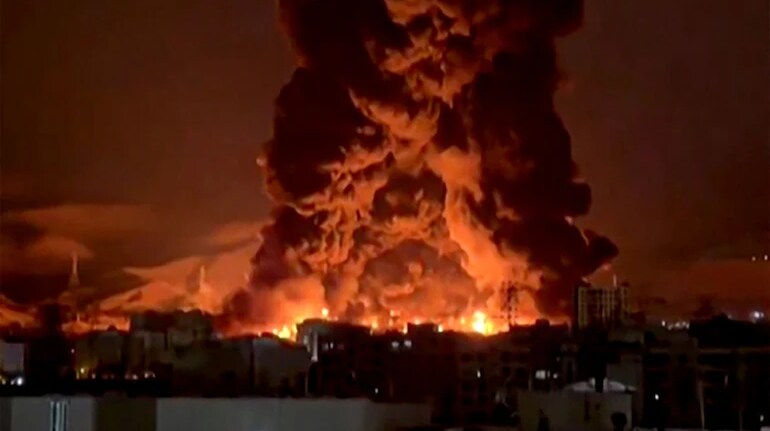
Meanwhile, retaliatory strikes have rattled Gulf states. In Bahrain, smoke billowed over Muharraq after an attack struck fuel storage tanks, prompting authorities to advise residents to remain indoors and keep windows shut.
Drone strikes also caused damage at Kuwait’s international airport and parts of downtown Dubai. Saudi Arabia said its air defenses intercepted drones heading toward the Shaybah oil field and the kingdom’s embassy district.
Oil markets have reacted sharply. Benchmark prices have surged by 40 to 50 percent since the US and Israel launched strikes on Iran on February 28, while several Gulf producers have cut output and tankers remain stranded in the Gulf.
Inside Iran, the conflict has severely disrupted daily life. A 30-year-old woman in Kermanshah described widespread closures and panic among residents.
“People are desperately trying to withdraw their savings from the banks, as trust in them has vanished,” she said. “Bread is now rationed. The population is extremely tense and outraged.”
(With inputs from AFP)
Discover the latest Business News, Sensex, and Nifty updates. Obtain Personal Finance insights, tax queries, and expert opinions on Moneycontrol or download the Moneycontrol App to stay updated!
Find the best of Al News in one place, specially curated for you every weekend.
Stay on top of the latest tech trends and biggest startup news.