






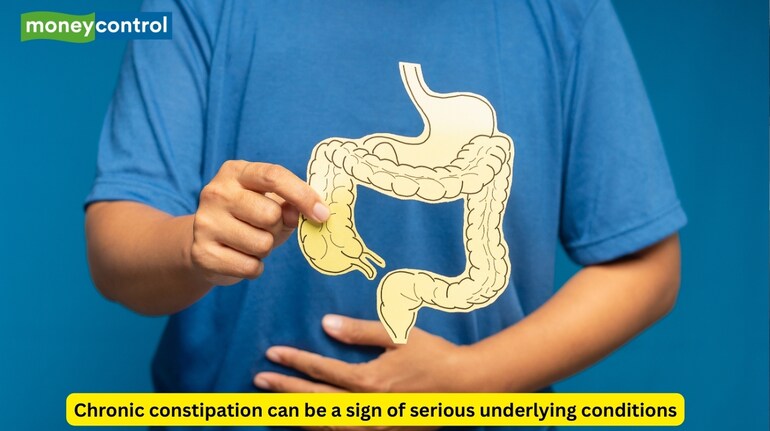

Many people fix constipation with prunes or a glass of warm water. Nevertheless, chronic constipation is different. It’s defined as persistent bowel difficulty lasting more than three months, often marked by hard stools, straining, fewer than three bowel movements a week, or a constant feeling of incomplete evacuation.
Chronic constipation can be a sign of serious underlying conditions. Dr Salil Yadav, Consultant General Surgery and Minimal Access and Robotic Surgery, Manipal Hospital, Gurugram, says, “Ignoring it can allow silent complications to worsen over time, sometimes causing severe issues like intestinal blockages or prolonged colon damage.”
The causes can be simple or complex. “Lifestyle factors such as low fibre diets, insufficient water intake, and lack of physical activity are common contributors.” Dr Yadav shares. Certain medications, hormonal fluctuations, or slower intestinal transit can also play a role. “Underlying medical conditions, including irritable bowel syndrome (IBS) or neurological disorders, may be at the root.” adds Dr Yadav. It’s important to understand that constipation isn’t always just about diet. Hormonal, neurological, and structural issues can all contribute.
Chronic constipation can escalate into serious complications if left unaddressed. Watch out for these warning signs.
It may indicate bleeding from ulcers, polyps, inflammatory bowel disease, or colorectal cancer.
This could signal obstruction, twisting of the intestine, or inflammation.
Sudden weight drop alongside constipation is a major warning sign.
It may indicate that waste is stuck in the intestines, a medical emergency.
Noticing sudden changes in stool shape can suggest narrowing of the colon or tumour growth.
This may result from nutritional deficiencies or internal bleeding.
New-onset constipation after 50: Any sudden change in bowel habits warrants prompt investigation.
Also read: Doctor says these 3 medicines can save a heart attack patient
Treatment, says Dr Yadav, often begins with lifestyle changes, but medical intervention may be needed in persistent cases.
With timely medical consultation and proper treatment, most complications can be avoided, and quality of life restored.
1. What is chronic constipation?
Chronic constipation is having difficult or infrequent bowel movements for several weeks or longer.
2. What are common symptoms of chronic constipation?
Hard stools, straining, bloating, abdominal discomfort, and a feeling of incomplete bowel emptying.
3. What causes chronic constipation?
Low fibre intake, dehydration, lack of physical activity, stress, certain medications, and medical conditions.
4. When should constipation be a concern?
If it lasts more than 3–4 weeks or is accompanied by blood in stool, weight loss, or severe pain.
5. How can chronic constipation be managed?
Increasing fibre and fluids, regular exercise, stress management, and medical advice if symptoms persist.
Disclaimer: This article, including health and fitness advice, only provides generic information. Don’t treat it as a substitute for qualified medical opinion. Always consult a specialist for specific health diagnosis.
Discover the latest Business News, Sensex, and Nifty updates. Obtain Personal Finance insights, tax queries, and expert opinions on Moneycontrol or download the Moneycontrol App to stay updated!
Find the best of Al News in one place, specially curated for you every weekend.
Stay on top of the latest tech trends and biggest startup news.





