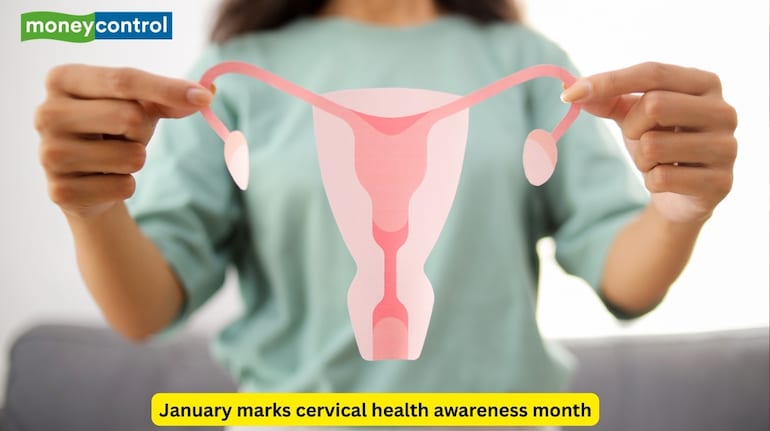

Even though it is one of the most preventable cancers across India, Cervical cancer is diagnosed late among numerous women. Low levels of public knowledge and screening coverage along with delayed presentation remains a major cause of its high burden, suggesting pressing demands for better preventive and early detection measures.
Cervical cancer is one of the few types of cancers that is highly preventable and can also be cured when diagnosed at an early stage. Given the availability of accurate screening tests like Pap smears, HPV testing and the HPV vaccine, burden from this disease should be rare. However, cervical cancer remains a significant public health problem globally, especially in low- and middle-income countries. It is the second most frequent cancer in women in India, where it is usually detected at an advanced state and has a poor prognosis.
The late detection of cervical cancer is mainly because of ignorance about the condition, poor accessibility to regular screening, social stigma and disregard of initial warning symptom, says Dr Kunjal Lila, Head of Department and Consultant in Surgical Pathology, Metropolis Healthcare Ltd.
Enhancing the awareness of prevention, popularizing screening on common basis and seeking earlier medical treatment are necessary for reducing the incidence of cancer and cancer death.
Almost 99% of cervical cancer infections are accounted for by the Human Papilloma Virus (HPV).
That makes cervical cancer susceptible to primary preventive strategies by HPV vaccines.
However, lack of awareness and poor utilization mean that this window is often missed.
Cervical cancer takes a lot of time to develop, starting from precancerous epithelial changes (CIN) to invasive cancer.
The slow progression rate makes it highly effective for screening with a Pap smear and an HPV test.
However, many women never test for it, and this allows the disease to progress unnoticed.
Early cervical cancer is typically symptom-free or has non-specific symptoms.
Discharge or bleeding that isn’t normal can be ignored or deemed as normal symptoms of pregnancy, often accompanied by symptoms of irregular bleeding or very
Due to this, women only go to the hospital once the disease has progressed.
Also read: Doctor says these 3 medicines can save a heart attack patient
Screening infrastructure in the form of Pap smear and HPV testing equipment is not available in rural setups.
Women have to travel long distances to reach screening centers, which is a logistical problem.
Cultural stigma, fear of diagnosis, and embarrassment have generally prevented most women from undergoing screening.
Lack of decision-making powers, particularly for women from lower socioeconomic groups, further limits access
Lifestyle factors: "Women often prioritize family needs over personal health, especially when family budgets are tight."
India follows the opportunistic screening method, where women are screened for diabetes whenever they come to the hospital for any reason.
This approach misses high-risk women in comparison to population-based se
Many parents, as well as young women, are unaware that there is an HPV vaccine.
Before engaging in sexual activity is when the vaccine works best. Unfortunately, because of a lack of knowledge and misunderstandings, this very key stage is many times overlooked.
In certain situations, women first seek care from traditional medical practitioners and by the time patients reach healthcare facility, cancer will be at an advanced stage.
Cervical cancer continues to be one of the major challenges for the health systems of India; it is not because it cannot be prevented, but because it has still not gained the needed awareness or acceptance in terms of provision to prevent it by either vaccinations or screening programs.
1. What is cervical cancer?
Cervical cancer develops in the cells of the cervix, which connects the uterus to the vagina.
2. What is the main cause of cervical cancer?
Persistent infection with high-risk types of human papillomavirus (HPV).
3. What are early symptoms of cervical cancer?
Early stages often have no symptoms; later signs include abnormal bleeding, pelvic pain, and pain during intercourse.
4. How can cervical cancer be prevented?
HPV vaccination, regular screening (Pap smear or HPV test), safe sex practices, and avoiding smoking.
5. Is cervical cancer curable?
Yes, especially when detected early, with treatment options such as surgery, radiation, and chemotherapy.
Disclaimer: This article, including health and fitness advice, only provides generic information. Don’t treat it as a substitute for qualified medical opinion. Always consult a specialist for specific health diagnosis.
Discover the latest Business News, Sensex, and Nifty updates. Obtain Personal Finance insights, tax queries, and expert opinions on Moneycontrol or download the Moneycontrol App to stay updated!
Find the best of Al News in one place, specially curated for you every weekend.
Stay on top of the latest tech trends and biggest startup news.