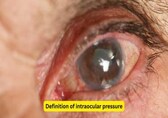
Glaucoma, often called the silent thief of sight, is a group of eye diseases that cause irreversible optic nerve damage, leading to progressive vision loss and potential blindness if untreated. Affecting over 76 million people globally, it usually shows no early symptoms, making regular eye exams crucial for early detection and management. Glaucoma is linked to increased intraocular pressure but can occur without it, with risk factors including age, family history, ethnicity, and conditions like diabetes. Early intervention through eye exams, education, and awareness can improve quality of life, while treatments like eye drops, laser therapy, and surgery help manage the disease's progression. Public health initiatives play a vital role in spreading awareness and encouraging proactive eye health management.
Glaucoma, often referred to as the silent thief of sight, is a group of eye diseases that can cause irreversible damage to the optic nerve, leading to progressive vision loss and, ultimately, blindness if left untreated, says Dr Rani Menon, managing director of Maxivision super specialty eye hospital.
With over 76 million people affected worldwide, understanding glaucoma and its implications is crucial for everyone, regardless of age or current eye health status. Here are a few spotlights one needs to identify at the early age.
One of the most alarming aspects of glaucoma is its insidious nature: In its early stages, glaucoma typically presents no symptoms. Vision loss begins at the periphery and advances slowly, often unnoticed until significant damage has occurred. By the time symptoms like tunnel vision or blind spots appear, the damage is often extensive and permanent. This highlights the importance of regular eye examinations, as early detection and treatment are essential in managing the disease and preventing severe vision loss.
Glaucoma is primarily associated with increased intraocular pressure (IOP): Glaucoma is primarily associated with increased intraocular pressure (IOP), which can damage the optic nerve, says Dr Menon. However, it’s essential to note that not all individuals with high IOP will develop glaucoma, and conversely, glaucoma can occur in individuals with normal IOP. This complexity necessitates a comprehensive understanding of individual risk factors, which include age (people over 60 are at higher risk), family history, ethnicity (African Americans and Hispanics are more prone), and pre-existing medical conditions such as diabetes and hypertension.
Here are the things one need to do to
Regular eye check-ups: Regular eye check-ups, particularly for high-risk groups, are vital. Comprehensive eye exams can detect glaucoma in its early stages, often before significant vision loss occurs. These exams typically include tests for visual acuity, eye pressure, and detailed examination of the optic nerve. Advanced diagnostic tools like optical coherence tomography (OCT) and visual field tests provide detailed images and assessments of the optic nerve and retina, facilitating early detection and monitoring of disease progression.
Awareness and education about glaucoma: Awareness and education about glaucoma can lead to early intervention, significantly improving the quality of life for those affected. Treatments for glaucoma range from prescription eye drops to reduce IOP, laser therapy, and surgical procedures, all aimed at preventing further optic nerve damage. While these treatments cannot restore lost vision, they can effectively halt or slow the progression of the disease.
Public health initiatives and community outreach programs: Public health initiatives and community outreach programs play a crucial role in spreading awareness about glaucoma. By providing access to information and resources, these programs encourage regular eye screenings and educate people about the importance of eye health. Individuals are empowered to take proactive steps in managing their eye health, potentially preserving their vision for the future.
Glaucoma awareness is vital for everyone. With its silent progression and potential for irreversible damage, understanding the risk factors, prioritising regular eye examinations, and recognising the importance of early detection can make a significant difference in preventing blindness and preserving vision.
Discover the latest Business News, Sensex, and Nifty updates. Obtain Personal Finance insights, tax queries, and expert opinions on Moneycontrol or download the Moneycontrol App to stay updated!
Find the best of Al News in one place, specially curated for you every weekend.
Stay on top of the latest tech trends and biggest startup news.