






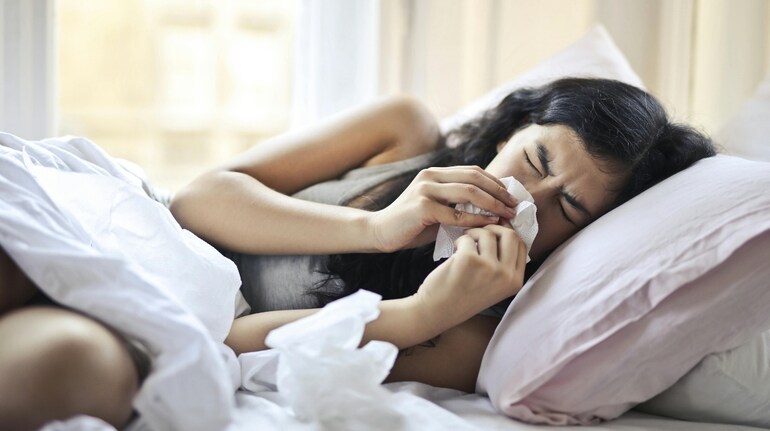

Winter tends to mean pollen-related allergy relief, so many people assume that when the mercury drops, so do their allergies. In fact, winter can stir up a new group of allergens that are often overlooked or misattributed to the usual cold. Little things like dust mites, mold and pet dander are joined inside by indoor air pollutants and the fact that people spend more time indoors creates stuffy air during colder months. This is the reason why allergy symptoms can persist — or get worse — during the winter, adds Kochi-based Dr Arvind Menon, Consultant Pulmonologist.
“Since these symptoms appear so much like viral infections, many people don’t take them seriously or self-treat without getting at the root of what’s causing their problems. If you have prolonged allergies, then that can affect your sleep and concentration or may flare up your lungs if you’re someone with asthma,” he tells Moneycontrol.
It is important to know the signs of winter allergies so you can prevent complications and seek proper treatment. The Doctor notes that the distinction between an unresolved allergy and a seasonal illness can help people treat their symptoms more efficiently.
Also Read: Seasonal allergy symptoms, causes, and how to negate risks of common triggers
Noticing these signs repeatedly, or for extended periods, means that intervention can happen when needed, and keep people comfortable and healthy during the colder months.
When people’s indoor sneezing gets worse, it is frequently about dust mites or pet dander.
Whereas nasal congestion due to an allergy can last for a few weeks without fever.
Indoor allergens can bother the eyes, especially in places with heated and dry air.
Dr Menon explains, “In the case of allergies, postnasal drip is a source of throat irritation without pain or infection.”
A cough that gets worse at night could be allergy-induced, especially if you’ve been asleep in the bed or on a couch all night.
“Allergies can interfere with your sleep quality, and that makes you feel tired all the time,” Dr Menon says.
Facial pain and dull headaches may signal blocked sinuses from allergies.
Even in the dead of winter, allergens can exacerbate sensitive skin.
Cold air or irritants can easily cause wheezing or shortness of breath in some people if they are exposed to these triggers.
“If the symptoms last longer without fever and body aches, allergies need to be suspected,” Dr Menon adds.
Bring in outdoor air to improve indoor ventilation, wash bedding in water that’s at least 130 Fahrenheit (54.4 Celsius), use air purifiers and consult a specialist if your symptoms persist, doctors advise.
1. Can winter allergies cause a runny nose and sneezing?
Yes, winter allergies can cause symptoms like a runny nose and sneezing, often due to indoor allergens such as dust mites and pet dander.
2. How can I differentiate between a cold and winter allergies?
Cold symptoms often include fever and body aches, while winter allergies typically persist without fever and involve prolonged sneezing, nasal congestion, and itchy eyes.
3. What steps can I take to reduce winter allergy symptoms?
Improving indoor ventilation, washing bedding in hot water, using air purifiers, and consulting a specialist can help manage winter allergy symptoms.
4. Can winter allergies affect my sleep?
Yes, allergies can interfere with sleep quality, leading to constant fatigue.
5. Are people with asthma more affected by winter allergies?
Yes, cold air and indoor allergens can exacerbate asthma symptoms, causing wheezing and shortness of breath.
Disclaimer: This article, including health and fitness advice, only provides generic information. Don’t treat it as a substitute for qualified medical opinion. Always consult a specialist for specific health diagnosis.
Discover the latest Business News, Sensex, and Nifty updates. Obtain Personal Finance insights, tax queries, and expert opinions on Moneycontrol or download the Moneycontrol App to stay updated!
Find the best of Al News in one place, specially curated for you every weekend.
Stay on top of the latest tech trends and biggest startup news.





