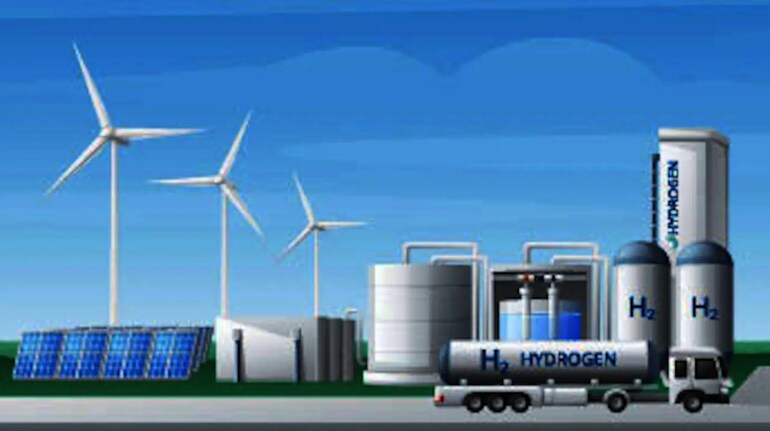
This week, the government awarded the contract to develop India's first bio-hydrogen project. Gensol Engineering emerged as the lowest bidder, in collaboration with Matrix Gas & Renewables. The project marks a milestone in aligning with the National Green Hydrogen Mission for biomass to green hydrogen generation.
The project, valued at Rs 164 crore, is lated to be completed within 18 month and the scope of work involves establishing a facility for processing 25 tonnes of bio-waste per day and producing 1 tonne of green hydrogen daily using the Pre-Gasification Plasma-Induced Radiant Energy-Based Gasification System (GH2-PREGS) technology.
But what is bio-hydrogen and what are its opportunities in India? MC explains.
What is bio-hydrogen?
Bio-hydrogen is generated using organic materials such as biomass or microorganisms. Unlike conventional hydrogen, which is typically derived from fossil fuels, bio-hydrogen production leverages agricultural waste, food scraps and industrial byproducts, making it a cleaner and more sustainable option. Among the key production methods are biophotolysis—splitting water molecules into hydrogen and oxygen in organisms like algae using sunlight—or dark fermentation—using bacteria to break down organic matter in anaerobic conditions, generating hydrogen as a byproduct.
In the case of Gensol Engineering, the company is using gasification technology that uses plasma energy to convert carbon-based feedstock (like organic waste, biomass or even coal) into hydrogen and other gases.
Why does bio-hydrogen matter for India?
India’s push towards a greener energy future, supported by initiatives like the National Green Hydrogen Mission, creates a fertile ground for bio-hydrogen development. The government is actively supporting hydrogen as a major energy source, focusing on green hydrogen made from renewable resources. India’s large agricultural sector and significant waste generation present a vast and untapped resource for bio-hydrogen production, offering a dual solution of waste management and renewable energy generation.
What are the opportunities in India’s bio-hydrogen landscape?
India generates about 380 million tonnes of agricultural waste annually, hence bio-hydrogen offers a way to convert this waste into clean energy, yielding the twin benefit of mitigating environmental damage while producing the clean feedstock hydrogen. The project could be an opportunity for hard-to-abate industries such as steel and cement to meet emission targets while maintaining energy security. Meanwhile, rural areas, where agricultural and organic waste are abundant, can benefit from decentralised bio-hydrogen production.
What is Gensol doing?
In an exchange filing on September 2, Gensol revealed that its consortium had been selected as the lowest bidder for an engineering, procurement, and construction contract for a plant operated by “India’s leading power generation company”. The location of the plant is yet to be announced. The bio-hydrogen plant would produce around one tonne of hydrogen per day from 25 tonnes of biowaste, using advanced gasification technology.
The consortium has teamed up with US-based Westinghouse, which specialises in plasma-torch technology to convert waste into syngas, a blend of hydrogen and carbon monoxide used for producing biofuels. It is unclear whether Westinghouse’s technology has been used to produce pure hydrogen yet, as its website indicates that it may be possible for this application "in the not-too-distant future".
Discover the latest Business News, Sensex, and Nifty updates. Obtain Personal Finance insights, tax queries, and expert opinions on Moneycontrol or download the Moneycontrol App to stay updated!
Find the best of Al News in one place, specially curated for you every weekend.
Stay on top of the latest tech trends and biggest startup news.