




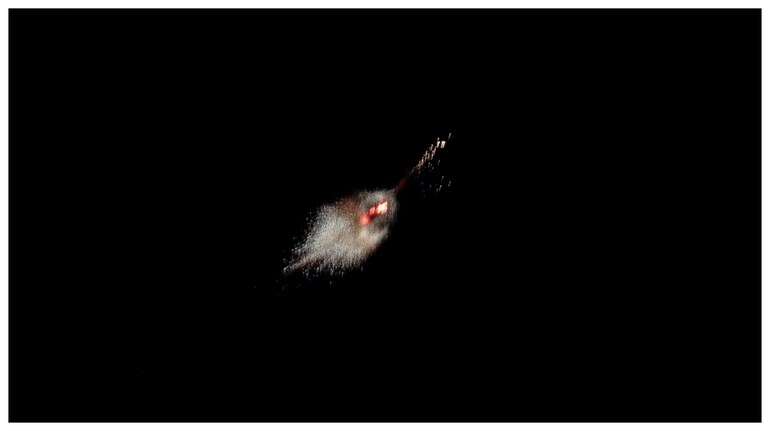
Just hours after Iran launched a missile barrage at the US Al Udeid Air Base in Qatar, the Gulf state quickly pivoted from a defensive stance to diplomacy. Foreign ministry officials called for de-escalation and cease-fire negotiations—even as they summoned the Iranian ambassador in protest.
But behind the scenes, Qatar had already begun facilitating talks between the US, Israel and Iran to prevent a broader regional war, the New York Times reported.
A measured hit, a calibrated response
The Iranian attack followed US and Israeli airstrikes on Iranian nuclear facilities. Qatar, according to senior military officials, knew in advance about the strike and intercepted most of the missiles, avoiding casualties. The response from Qatari leaders was deliberately restrained. While asserting its right to retaliate, the emirate opted for diplomacy, suggesting, analysts said, a choreographed effort to defuse tensions.
Qatar’s decision may have been informed by geography and politics. Among Gulf countries, it maintains relatively warm ties with Iran and has served as a longstanding intermediary in conflicts involving Hamas and Israel.
Why Qatar, not others?
The choice to target a US base in Qatar—rather than assets in Bahrain or Saudi Arabia—appears calculated. Relations between Iran and Bahrain or Saudi Arabia remain fragile, while the UAE, another Gulf neighbour, plays a critical economic role for Tehran. Missile strikes over Dubai, analysts warned, could have damaged Iran’s own economic interests.
Qatar, though wealthy and strategically important, has often balanced between adversaries. Its small military force is backed by US security guarantees, and its leadership has carefully cultivated ties with both Washington and Tehran.
The backchannel that worked
Diplomats briefed on the matter confirmed that President Trump personally asked Qatar’s emir, Sheikh Tamim bin Hamad al-Thani, to help bring Iran to the negotiating table. Iran, facing the threat of further escalation and possible regime-change rhetoric from Trump, agreed to a cease-fire after Qatari Prime Minister Sheikh Mohammed bin Abdulrahman al-Thani made a direct call to Tehran.
The truce, which took effect early Tuesday, appeared to be holding as the day progressed.
Qatar’s strategic value rises
The episode reinforced Qatar’s value to the US as a critical Gulf partner capable of navigating complex crises. Its ability to serve as a trusted interlocutor between opposing sides, even amid missile fire, highlights the small state’s oversized diplomatic reach.
“Trump wanted a de-escalation and Qatar was able to help him with that,” said former UK ambassador to Doha Nicholas Hopton. For Qatar, this was another opportunity to demonstrate its reliability as an ally—and its unique leverage in a region on edge.
Discover the latest Business News, Sensex, and Nifty updates. Obtain Personal Finance insights, tax queries, and expert opinions on Moneycontrol or download the Moneycontrol App to stay updated!
Find the best of Al News in one place, specially curated for you every weekend.
Stay on top of the latest tech trends and biggest startup news.




