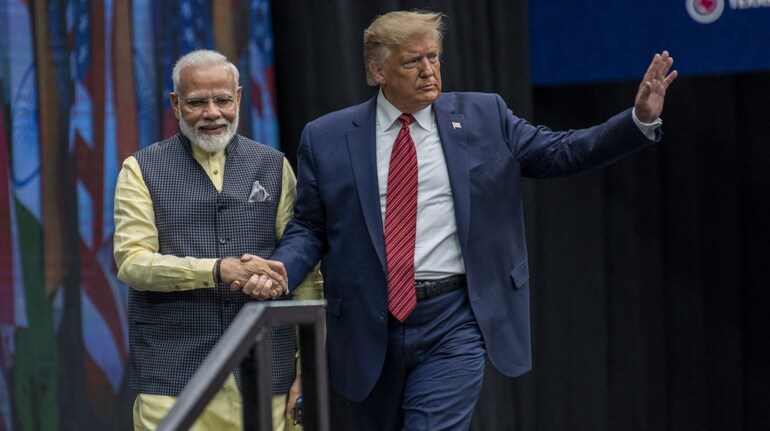

The next round of trade talks between India and the United States comes at a critical moment for bilateral economic ties. Talks are unfolding not only against the backdrop of stalled negotiations over market access and tariffs but also as the US Supreme Court is poised to rule on the legality of sweeping tariffs imposed by the Trump administration. Indian markets and traders are watching closely because the court’s decision could reshape how far the US can go in using emergency tariff powers and may determine whether current tariffs remain in force or are struck down, affecting India’s export competitiveness.
India has faced steep 50 per cent tariffs on its exports to the US since 2025 and is following developments around a controversial US bill proposing punitive tariffs of up to 500 per cent on countries buying Russian oil. New Delhi says it is “aware” of the proposed legislation and is “carefully monitoring” the situation, balancing the need for affordable energy for its 1.4 billion people with trade and diplomatic priorities.
What the US side is saying
Speaking on the negotiations, US Ambassador Sergio Gor said, “Both sides continue to actively engage. In fact, the next call on trade will occur tomorrow. India is the world’s largest nation. So it’s not an easy task to get this across the finish line, but we are determined to get there and while trade is very important for our relationship, we will continue to work closely together on other very important areas such as security, counter-terrorism, energy, technology, education, and health…” Gor also indicated that President Donald Trump may visit India soon, adding political weight to the talks.
The Ambassador’s remarks have come amid continued engagement, including a recent visit by US Deputy Trade Representative Rick Switzer to review negotiations. While both sides still seek a resolution, India has resisted concessions in sensitive areas, especially agriculture and dairy, to protect farmers and MSMEs.
Main points of contention
The core disagreements remain unchanged. The US is seeking duty concessions on agricultural products such as almonds, corn, and apples, along with select industrial goods. India has firmly resisted opening up agriculture and dairy, arguing that such concessions could harm its domestic producers. High US tariffs have affected Indian exporters, even as they diversify to alternative markets. The proposed 500 per cent tariff bill targeting countries that purchase Russian oil, though not yet law, adds uncertainty to the broader trade landscape.
While a breakthrough is not expected tomorrow, the talks signal continued engagement, India’s steady negotiation stance, and a shared interest in managing economic friction without undermining the wider strategic partnership.
Discover the latest Business News, Sensex, and Nifty updates. Obtain Personal Finance insights, tax queries, and expert opinions on Moneycontrol or download the Moneycontrol App to stay updated!
Find the best of Al News in one place, specially curated for you every weekend.
Stay on top of the latest tech trends and biggest startup news.