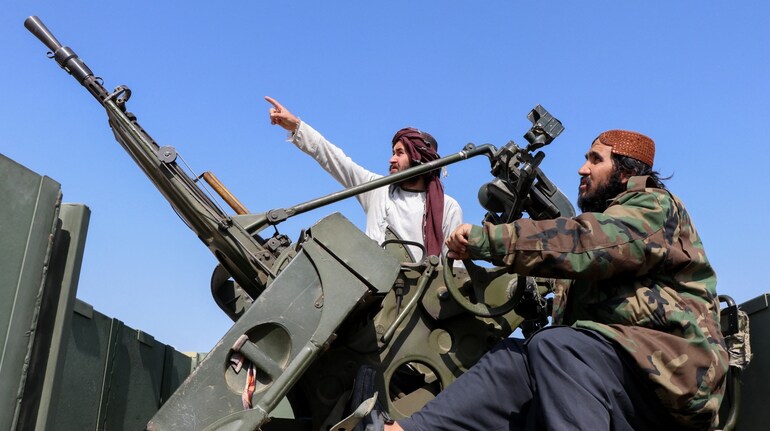

In late 2022, a chilling warning from the Tehrik-e-Taliban Pakistan, also known as the Pakistani Taliban, foreshadowed a dangerous turning point in Pakistan’s security landscape. At the time, the group abruptly ended a ceasefire with the Pakistani state and threatened new attacks. That threat, once seen as a regional security issue, has now evolved into one of the most serious confrontations between Pakistan and Afghanistan in years.
What began as a militant warning has since unraveled into cross-border strikes, artillery duels and claims of territorial gain by the Taliban government in Kabul. The arc from a warning to open conflict lays bare Pakistan’s strategic dilemmas and policy failures, leaving Islamabad increasingly isolated and exposed on multiple fronts.
The 2022 warning
On November 28, 2022, the Pakistani Taliban declared an end to its ceasefire with the Pakistan government after months of relative calm. The warning was explicit and ominous. In a statement carried by Al Jazeera, the group said, “The ceasefire has ended and the warring factions are allowed to operate against the Pakistani security forces and allied agencies everywhere.”
At the time, Islamabad appeared rattled but chose to downplay the threat, framing it as another cycle in its long-running insurgency in the northwest. Analysts warned that tolerating the TTP as a latent proxy and failing to integrate the group into a political process risked future instability. Instead of a comprehensive crackdown, Pakistan relied on sporadic operations and forceful rhetoric.
From border insurgency to international confrontation
By early 2026, the threat from the TTP had morphed into a diplomatic and military crisis. Islamabad began conducting air and ground strikes inside Afghan territory, asserting that TTP fighters were operating from sanctuaries across the border. Pakistan claimed the strikes were aimed at TTP bases and allied groups, but Kabul denounced the actions as violations of Afghan sovereignty.
The Afghan Taliban government, which came to power alongside the TTP’s ideological cousins in 2021, rejected Pakistan’s allegations of harbouring TTP militants. Afghanistan’s Ministry of Defence called Pakistan’s operations a “breach of international law” and pointed out that attacks on civilian sites highlighted Islamabad’s “intelligence and security failures.”
Escalation into open conflict
The situation deteriorated rapidly. According to Afghan authorities, its forces seized 19 Pakistani outposts along the Durand Line and killed 55 Pakistani soldiers in retaliatory operations. Pakistan, meanwhile, asserted it had killed 133 Taliban fighters and destroyed multiple positions.
Pakistani Defence Minister Khawaja Muhammad Asif issued a stark proclamation on X: “Our cup of patience has overflowed. Now it is open war between us and you (Afghanistan).” Prime Minister Shehbaz Sharif vowed to “crush aggressive ambitions.”
Security sources told CNN-News18 that heavy gunfire and artillery exchanges were ongoing along multiple sectors of the border. Reports from Nangarhar and Kunar provinces described intense fighting, with both sides trading claims of territorial gains and heavy losses.
Pakistan’s strategic misstep
The escalation highlights a deeper strategic failure in Islamabad’s approach to militant groups and regional security. The TTP, once viewed by Pakistan’s military as a tactical insurgency tool and at times useful against Indian interests, has evolved into a direct threat to the state. Analysts at the International Institute for Strategic Studies have noted that the TTP under Noor Wali Mehsud has consolidated operational capabilities and now conducts high-profile attacks against Pakistani forces, forcing Islamabad into reactive and punitive measures rather than strategic containment.
Instead of addressing the root causes that fuelled the TTP’s resurgence, Pakistan has externalised blame onto Afghanistan, accusing the Kabul regime of sheltering militants. Kabul counters that Pakistan’s policy of cultivating militant groups for geopolitical leverage is the real source of instability. Experts say Pakistan’s repeated cross-border strikes have only hardened Afghan resolve and empowered regional networks that oppose Islamabad’s military interventions.
The irony of blowback
What was once a militant warning shot in late 2022 has now become a full-scale confrontation between two neighbouring states. Pakistan’s long reliance on militant proxies, lax internal security strategy, and propensity to externalise its failures have brought it to a point where domestic insurgency has transformed into international conflict. The TTP’s warning, once dismissed as routine militant rhetoric, now looks eerily prophetic as Islamabad grapples with the consequences of its policies and a regional security environment it can no longer control.
Discover the latest Business News, Sensex, and Nifty updates. Obtain Personal Finance insights, tax queries, and expert opinions on Moneycontrol or download the Moneycontrol App to stay updated!
Find the best of Al News in one place, specially curated for you every weekend.
Stay on top of the latest tech trends and biggest startup news.