






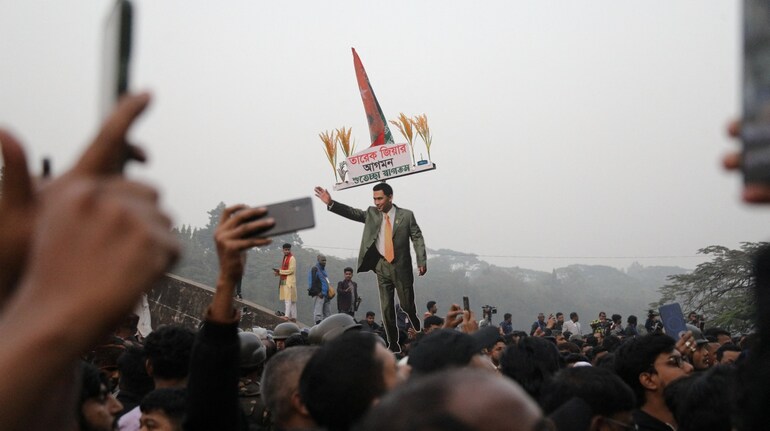

Bangladesh stands on the brink of a dangerous political pivot that should deeply concern New Delhi. With Bangladesh Nationalist Party (BNP) now in a strong position ahead of the February 2026 elections, and its leader Tarique Rahman poised to steer the country back into power, India faces the real prospect of a Dhaka government that is hostile or indifferent to its security and strategic interests.
The BNP’s growing influence has been cemented by Rahman’s dramatic return from 17 years in exile and the recent death of his mother Khaleda Zia, which removes the most visible restraint on the party’s hard-line factions. Rahman’s arrival has ignited rallies and blood-soaked street clashes, signalling that his faction will not hesitate to exploit violence and polarisation to gain and retain power.
Historically, the BNP has nurtured close ties with Jamaat‑e‑Islami and maintained an ideological affinity with Pakistan that has repeatedly strained Dhaka’s relations with New Delhi. During past BNP governments, Islamabad’s influence expanded in Bangladesh, and Islamist forces gained strength, weakening secular, pro-India strands of Bangladeshi politics.
Rahman’s own political legacy is controversial. He is widely seen as a scion of a party that has tolerated political violence, corruption and deep links with Islamist groups and Pakistan’s security establishment. While Rahman now speaks in polished language and claims to put “Bangladesh First,” his track record and the persistence of pro-Islamist networks within his party make a return to power deeply unsettling.
For India, a BNP government would mark a significant and unwelcome shift from the pragmatic partnership it formed with the Awami League under Sheikh Hasina. The Awami League may have had flaws, but its focus on economic cooperation, connectivity and security cooperation was clear, particularly in combating insurgencies in India’s northeast and curbing extremist networks. A return of BNP prominence threatens to unravel these hard-won gains.
In recent years Dhaka has leaned toward Beijing and Islamabad, often at India’s expense. Under the outgoing Mohammad Yunus government, Bangladesh moved closer to China and Pakistan, diluting New Delhi’s influence on connectivity and regional security. BNP’s resurgence is likely to accelerate this trend, shifting Bangladesh further away from India and making cooperation on border management, counterterrorism and economic integration far more difficult.
Rahman’s insistence that Bangladesh will align with neither Delhi nor Rawalpindi may sound like neutral diplomacy, but in practice such statements mask a willingness to pivot toward powers that are hostile to India’s interests. Given BNP’s ideological baggage, its comfort with Islamist partners, and the likelihood that Pakistan will court Dhaka once again, India must view a BNP victory not as a routine electoral outcome but as a strategic setback.
In short, a return of the BNP to power under Tarique Rahman is not just another chapter in Bangladesh’s fractious politics. It is a moment that could redefine South Asia’s balance of power in a way that undermines India’s security, strengthens Pakistan’s strategic outreach, and emboldens Islamist networks. For New Delhi, the stakes could hardly be higher.
Discover the latest Business News, Sensex, and Nifty updates. Obtain Personal Finance insights, tax queries, and expert opinions on Moneycontrol or download the Moneycontrol App to stay updated!
Find the best of Al News in one place, specially curated for you every weekend.
Stay on top of the latest tech trends and biggest startup news.





