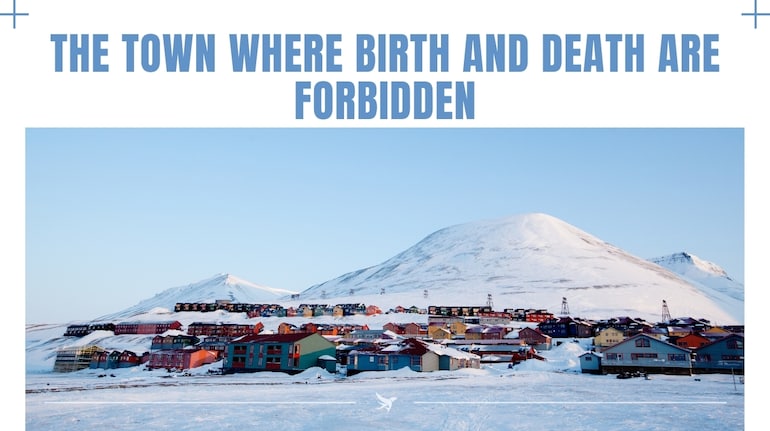

Imagine a place on Earth where death is not allowed—and birth is equally forbidden. No, this isn’t a dystopian novel or a sci-fi film. This place exists, and it’s called Longyearbyen, the remote Arctic town in Svalbard, Norway.
Often described as the world’s strangest town, Longyearbyen follows an extraordinary rule: people are not buried here, and babies are not born here. The reason behind this shocking reality has nothing to do with religion, superstition, or tradition. Instead, it’s rooted firmly in science, safety, and survival in one of the harshest environments on the planet.
Where Is Longyearbyen Located?
Longyearbyen is the capital and largest settlement of the Svalbard archipelago, located deep in the Arctic Ocean, midway between mainland Norway and the North Pole. Home to around 2,500 residents, it holds the title of the world’s northernmost settlement with a population of over 1,000 people.
The town stretches along the shores of Adventfjorden, at the foot of the Longyear Valley, on the island of Spitsbergen. Administratively, it functions as an official Norwegian municipality, and as of 2024, the town’s mayor is Leif Terje Aunevik.
Despite its isolation, Longyearbyen has schools, cafés, museums, cultural festivals, research stations, and a surprisingly vibrant community life.
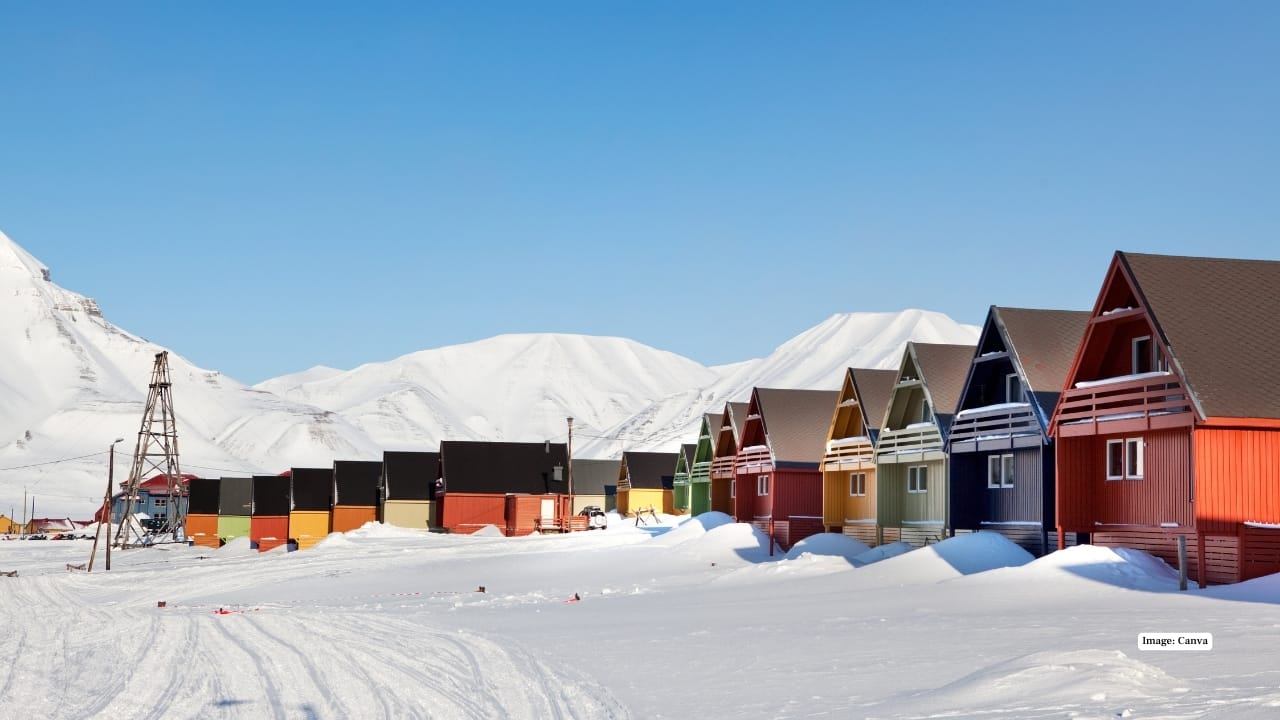 Image: Canva
Why No One Is Allowed to Die in Longyearbyen
The idea that people “aren’t allowed to die” in Longyearbyen sounds dramatic—but the truth is even more fascinating.
The Science Behind the Rule
Longyearbyen sits on permafrost, meaning the ground remains permanently frozen year-round. When people were buried here in the early 20th century, scientists made a disturbing discovery: bodies were not decomposing.
In the 1950s, researchers exhumed bodies from the local cemetery and found that they were remarkably well preserved. Even more alarming was the discovery of live traces of the 1918 Spanish flu virus in some remains. This raised serious concerns that dangerous pathogens could survive for decades—and potentially re-emerge.
To protect public health, burials were officially stopped in Longyearbyen.
What Happens If Someone Is Nearing Death?
If a resident becomes terminally ill or reaches a stage where death is imminent, they are flown to mainland Norway. In the rare event of a sudden death, the body is quickly transported out of Svalbard for burial or cremation elsewhere.
It’s important to note that this is not a written law, but a long-standing policy and practice, followed to ensure dignity, safety, and proper medical care.
Why Giving Birth Is Also Not Allowed
Longyearbyen is not just a place where you can’t die—it’s also a place where you’re not allowed to give birth.
No Maternity Ward, No Risk-Taking
Longyearbyen may be a functioning town, but when it comes to childbirth, it simply isn’t equipped to take chances. The local hospital is small and designed for basic medical care—it has no maternity ward, no neonatal facilities, and no specialised emergency obstetric services. In a place where healthcare must contend with isolation and limited resources, childbirth is a risk the town is not prepared to manage.
Add to this the realities of Arctic life—extreme cold, violent winter storms, long periods of polar night, and limited transportation—and emergency evacuations can become delayed or even impossible.
For this reason, pregnant women are required to leave Svalbard weeks before their due dates and travel to mainland Norway to give birth, ensuring both mother and child receive the safest care possible.
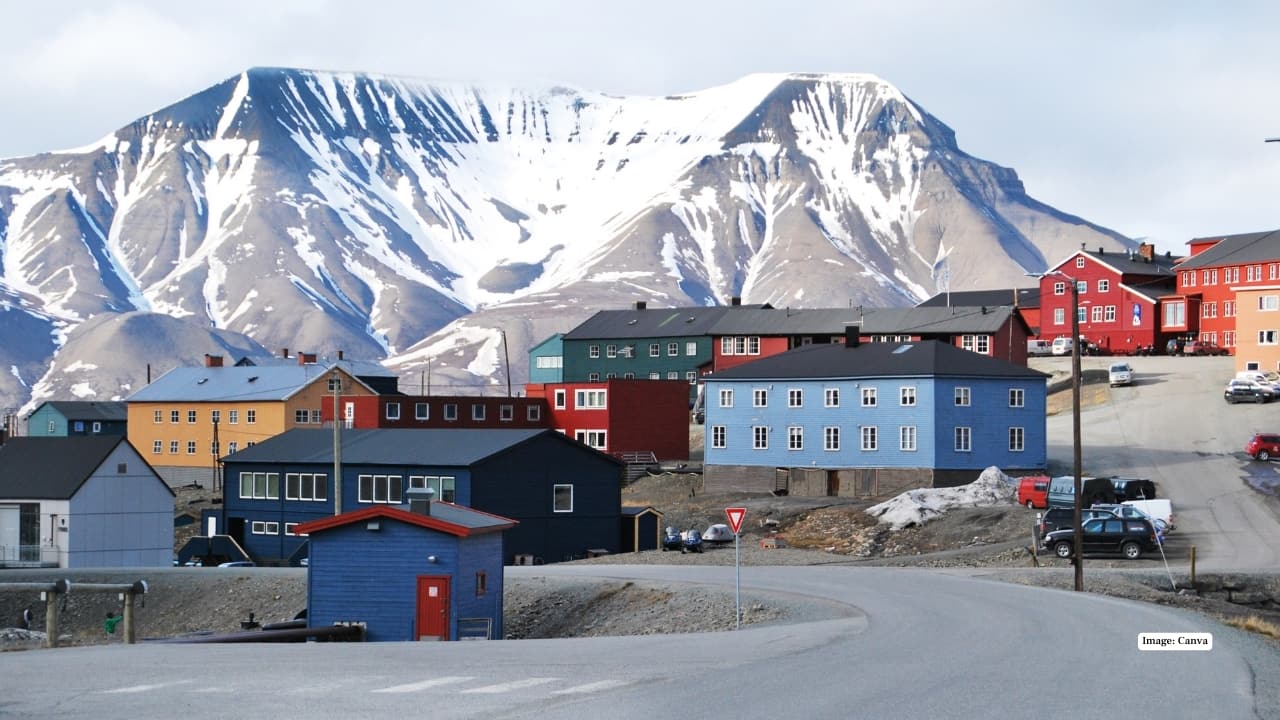 Image: Canva
Where Do Expecting Mothers Go?
Most expecting mothers travel to Tromsø, a city on mainland Norway located nearly 1,000 kilometres away, well in advance of delivery. Babies born on the mainland are still officially considered Svalbard residents.
The rule exists purely for medical safety, not cultural reasons.
A Town Designed for the Young and Active
Svalbard is built for working professionals, researchers, miners, and adventure seekers, not for lifelong settlement.
Life here demands physical fitness, preparedness, and resilience.
Life in Longyearbyen: Harsh but Not Hopeless
Despite its unusual rules and extreme Arctic setting, Longyearbyen is far from bleak. Beneath the snow, ice, and long months of darkness lies a surprisingly warm and lively community that has learned to thrive at the edge of the world.
Residents unwind in cosy cafés and restaurants that offer comfort against the cold, while schools and childcare facilities support families once children arrive from the mainland. Art exhibitions, concerts, film screenings, and seasonal festivals add colour and culture to life under the polar night and the midnight sun.
Here, nature dictates the rhythm of everyday life, and careful planning is essential for survival. Even routine activities come with Arctic realities—residents venturing beyond town limits often carry rifles as a safety measure against polar bears. In Longyearbyen, life is a constant balance between human warmth and the untamed power of the Arctic wilderness.
Best Time to Visit Longyearbyen
Longyearbyen offers two extreme but unforgettable seasons:
Polar Night (Late October to Mid-February)
Midnight Sun (April to August)
April to August is considered the best time for first-time visitors.
How to Reach Longyearbyen
Despite its remote Arctic location, Longyearbyen is surprisingly accessible.
By Air
By Sea
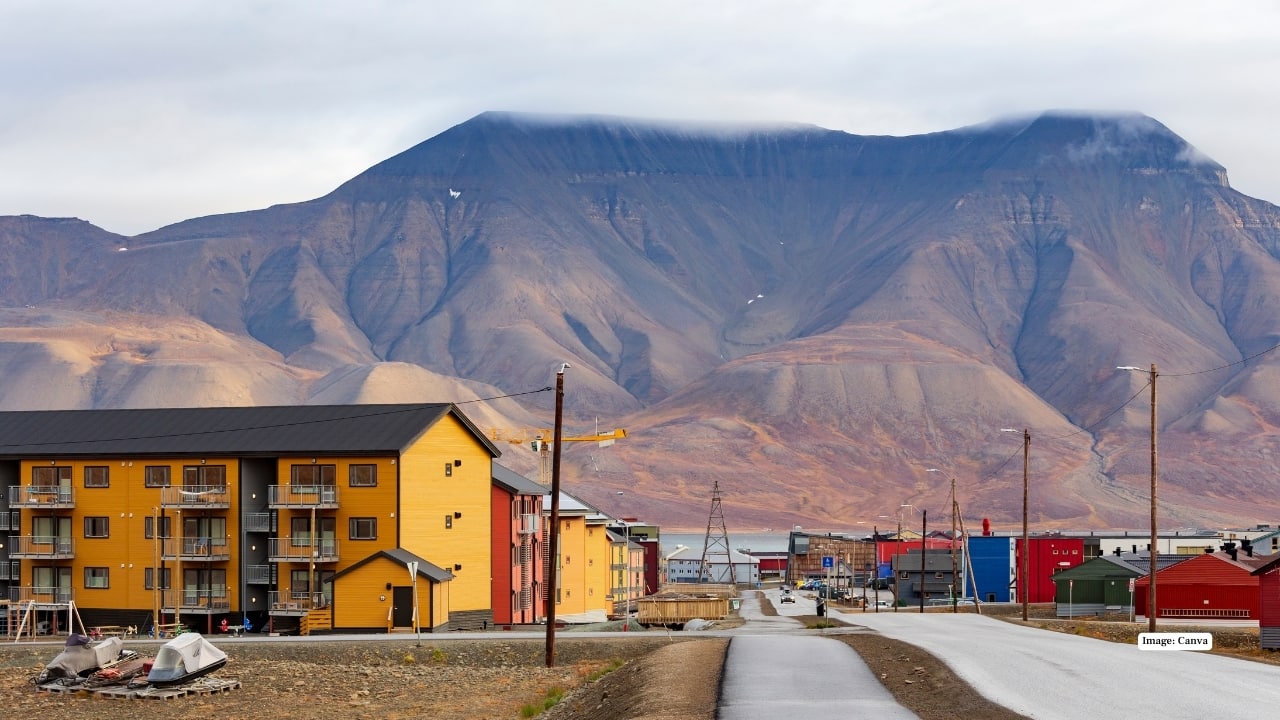 Image: Canva
Why Longyearbyen Fascinates the World
Longyearbyen is one of the few places on Earth where birth and death are shaped by nature, not human tradition. In this Arctic town, science and safety—not sentiment—govern life in an extreme environment.
Frozen ground can preserve bodies for decades, dangerous viruses can survive for generations, and medical emergencies depend on weather and distance. These realities make strict rules necessary for survival.
Longyearbyen reminds us that even as humans settle the planet’s remotest corners, life there unfolds strictly on nature’s terms—where resilience matters more than ritual at the edge of the world.

Discover the latest Business News, Sensex, and Nifty updates. Obtain Personal Finance insights, tax queries, and expert opinions on Moneycontrol or download the Moneycontrol App to stay updated!
Find the best of Al News in one place, specially curated for you every weekend.
Stay on top of the latest tech trends and biggest startup news.