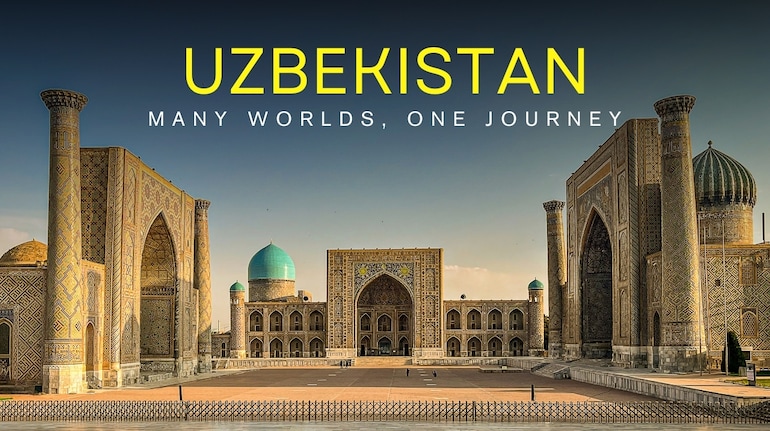

It’s rare to find a country where landscapes shift so dramatically within a single journey. In Uzbekistan, you can begin your trip riding camels across sun-scorched deserts, spend your afternoons wandering through ancient Silk Road cities, and end your holiday skiing on snow-covered mountains — all without crossing borders or stretching your budget. Located at the heart of Central Asia, Uzbekistan remains one of the world’s most underrated destinations, offering extraordinary diversity packed into a compact, easy-to-navigate country.
From the vast Kyzylkum Desert and shimmering blue domes of Samarkand to the alpine slopes near Tashkent, Uzbekistan feels like several destinations rolled into one.
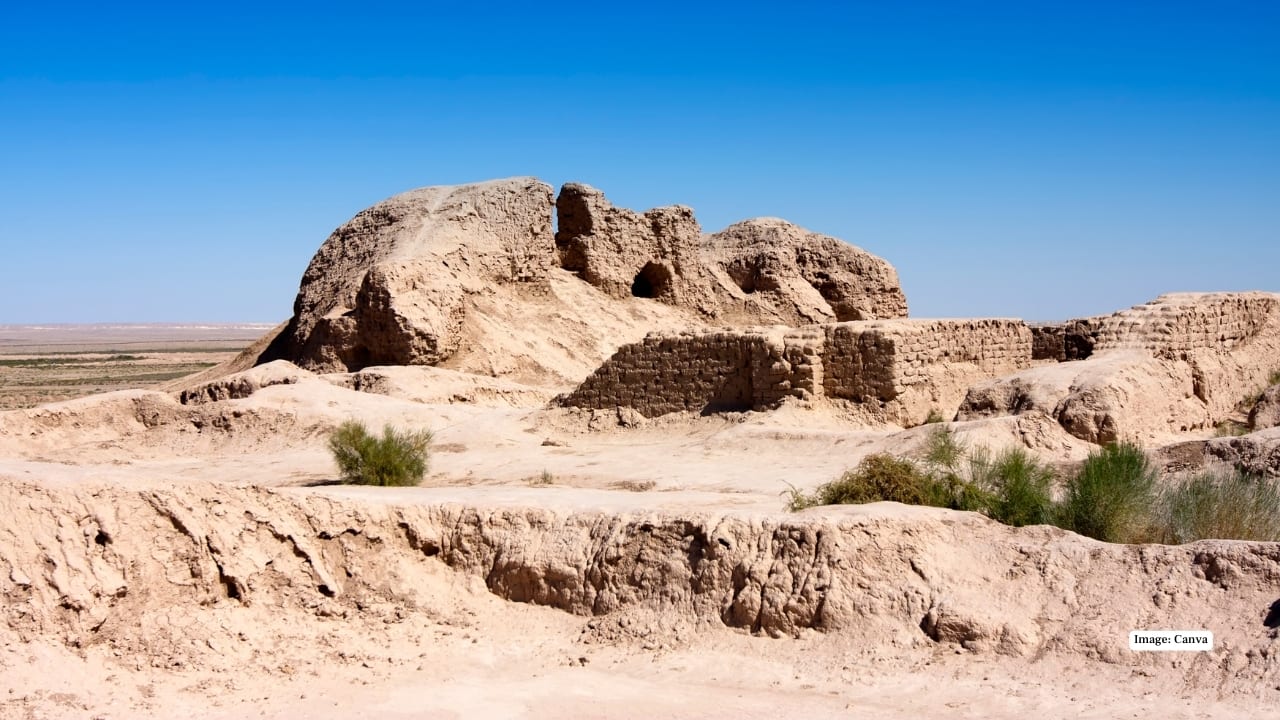 Image: Canva
Desert Landscapes That Feel Timeless
Uzbekistan’s desert regions reveal a slower, more elemental side of travel.
The Kyzylkum Desert, which stretches across much of the country, is not just a sea of sand but a place deeply connected to nomadic traditions that still survive today. Travellers can experience camel rides over rolling dunes, spend nights in traditional yurts, and sit by fires under star-filled skies that feel untouched by modern life. The silence and vastness here offer a kind of peace that’s hard to find elsewhere.
Not far from the desert, Aydarkul Lake appears almost unexpectedly, its blue waters cutting through the arid landscape. This semi-artificial lake has become a favourite for travellers looking to relax after desert excursions. Days here are spent swimming, fishing, or simply watching the sun rise and set over the sand, while evenings bring cool breezes and quiet conversations under open skies.
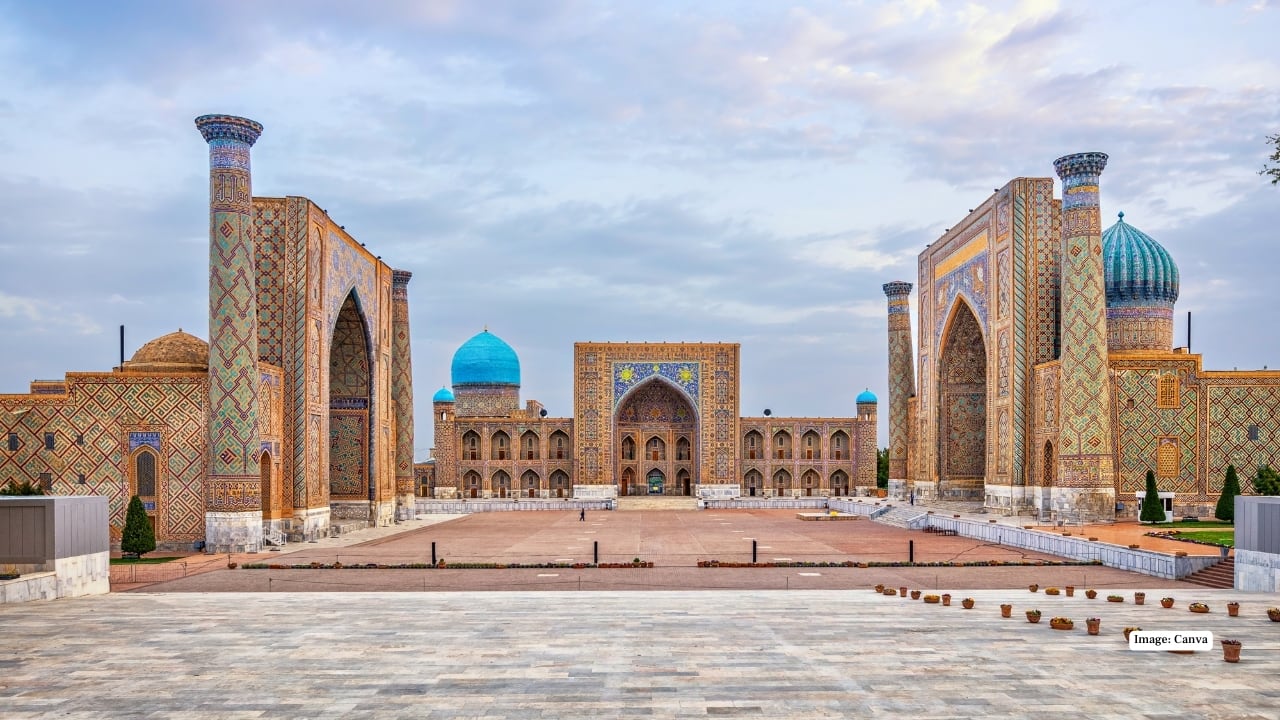 Image: Canva
Walking Through the Silk Road’s Greatest Cities
Uzbekistan’s deserts may feel ancient, but its cities are where history truly comes alive. For centuries, the country stood at the centre of the Silk Road, connecting Asia, the Middle East and Europe. That legacy is still visible in its architecture, markets and traditions.
Samarkand is often the first stop, and for good reason. The city’s Registan Square is one of the most striking architectural ensembles in the world, framed by grand madrasahs covered in intricate tilework and calligraphy. Nearby monuments like the Shah-i-Zinda necropolis and Gur-e-Amir mausoleum tell stories of powerful rulers, scholars and traders who shaped the region.
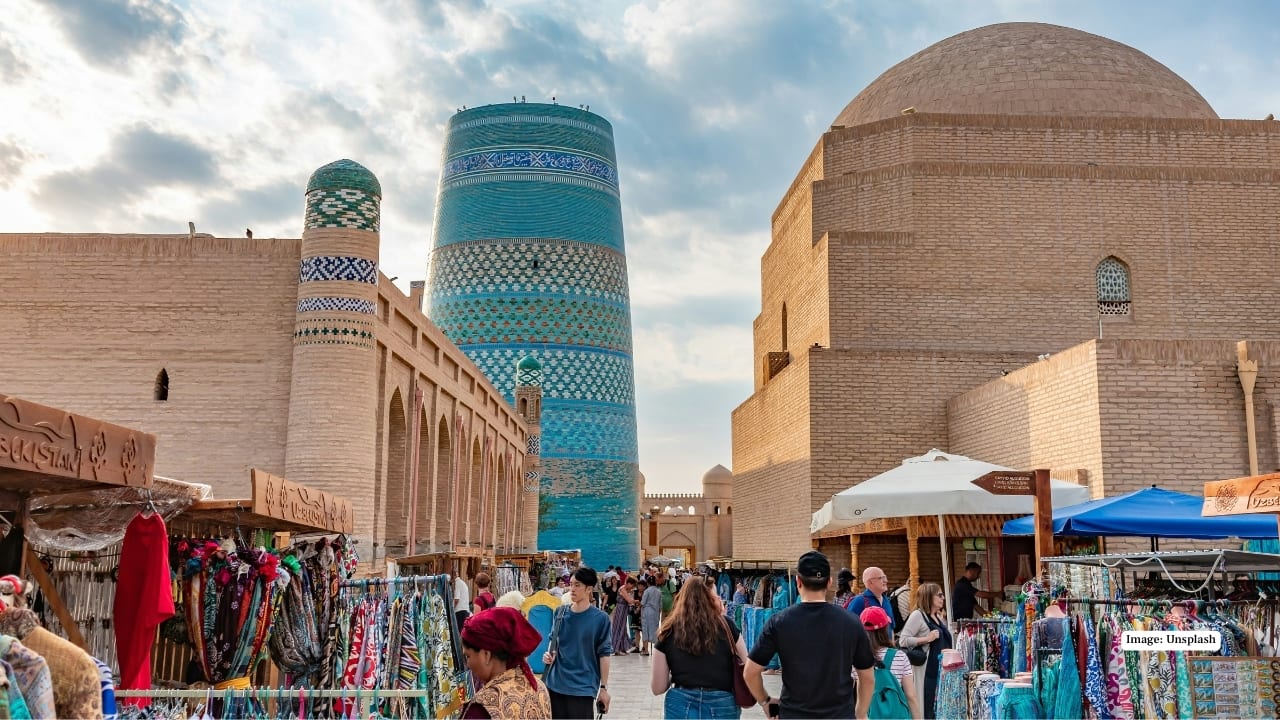 Image: Unsplash
Bukhara offers a more intimate experience. Unlike Samarkand’s monumental grandeur, Bukhara feels lived-in and atmospheric, with narrow lanes leading to ancient mosques, minarets and caravanserais. Walking through its old town feels like stepping into a living museum, where centuries-old buildings continue to serve everyday life.
Khiva, enclosed within massive mud-brick walls, is perhaps the most visually dramatic of all. Its historic inner city, Itchan Kala, is a UNESCO World Heritage site where palaces, minarets and courtyards stand remarkably preserved. As evening falls and the walls glow in soft light, Khiva feels almost surreal, as if time itself has slowed down.
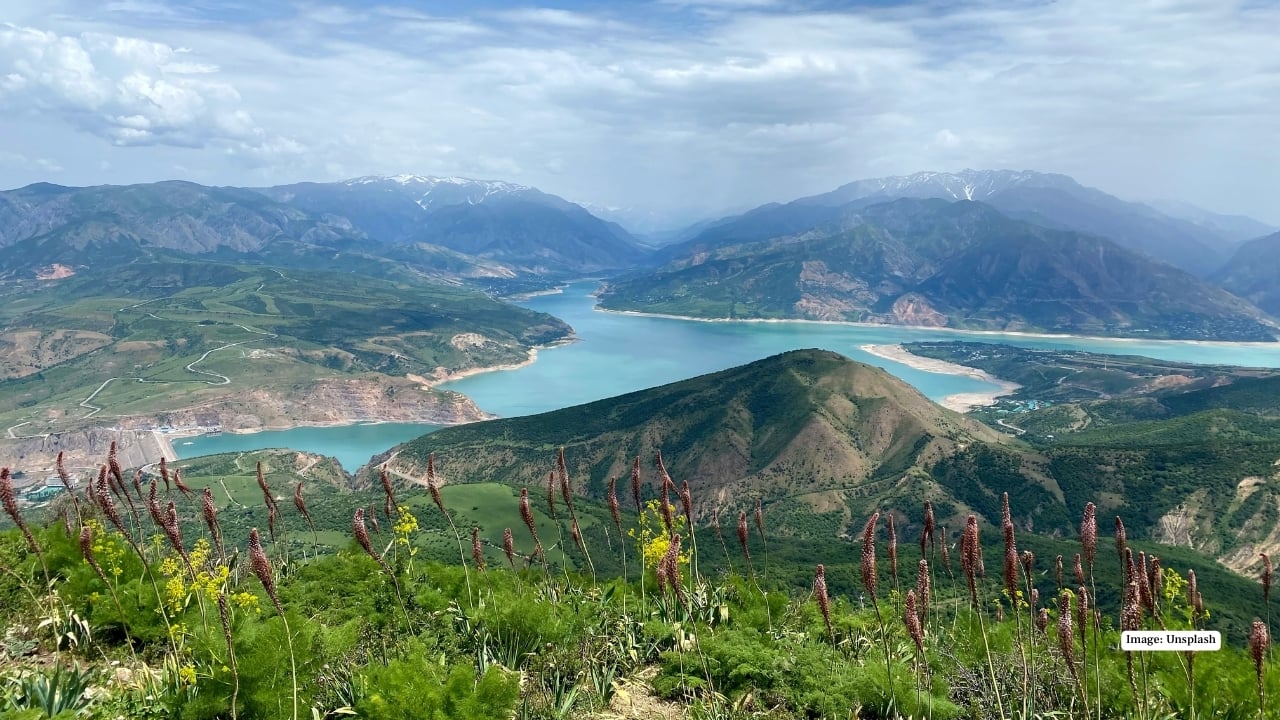 Image: Unsplash
Snowy Mountains Just Outside the Capital
Few travellers expect winter sports in Uzbekistan, but the mountains near Tashkent deliver a surprising contrast. The Chimgan Mountains, part of the western Tien Shan range, turn into a snow-covered playground during winter. Amirsoy Ski Resort, located less than two hours from the capital, has emerged as a modern destination for skiing, snowboarding and cable car rides.
Even for those who don’t ski, the region offers winter hikes, scenic viewpoints and cosy mountain stays with sweeping views of snow-draped peaks. The experience is often compared to Alpine destinations in Europe, but at a much more accessible cost, making it an attractive option for winter travel.
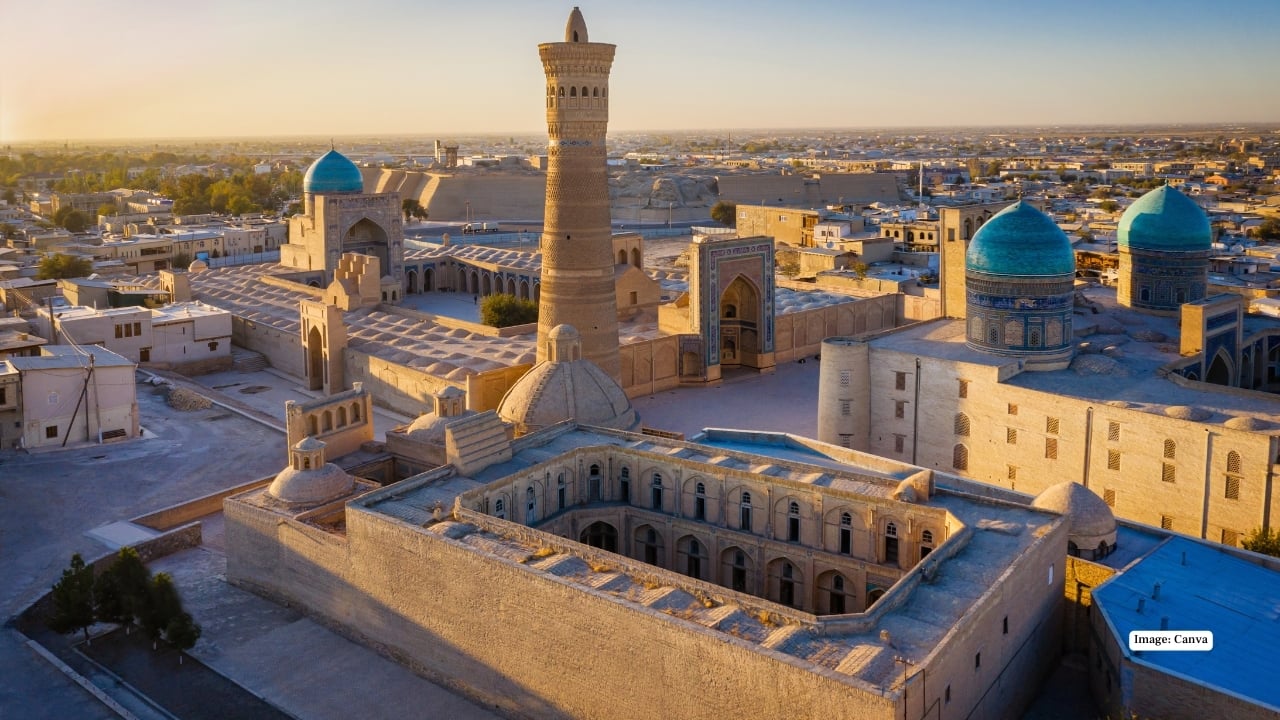 Image: Canva
The Best Time to Visit Uzbekistan
Uzbekistan can be visited year-round, but spring and autumn offer the most comfortable travel conditions. Spring, from March to June, brings mild temperatures and blooming landscapes, along with Navruz, the Persian New Year, celebrated with music, dance and traditional food across the country. Autumn, from September to early November, is equally pleasant, with crisp air and golden harvests that add warmth to the already stunning cities.
Summer can be intensely hot, particularly in desert regions and cities, with temperatures often rising above 37 degrees Celsius. Winter, while cold, is ideal for travellers seeking fewer crowds or planning a ski trip, though some rural areas may be harder to access.
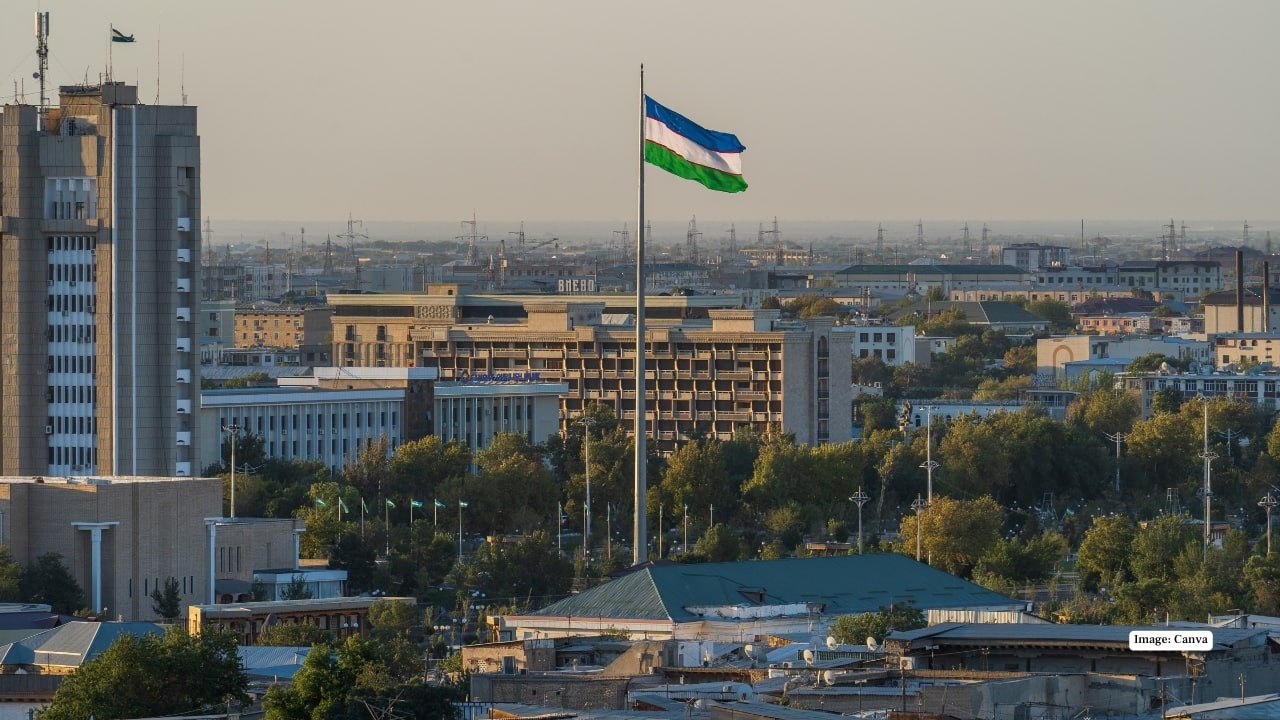 Image: Canva
Festivals That Showcase Uzbekistan’s Culture
Uzbekistan’s cultural calendar adds another layer to the travel experience. Navruz remains the most important celebration, marking renewal and new beginnings with public festivities across cities and towns.
Samarkand hosts the Sharq Taronalari festival, which brings together traditional musicians from across Central Asia and beyond. In recent years, modern cultural events like desert-based music festivals and fashion weeks in Tashkent have highlighted the country’s evolving creative scene, blending tradition with contemporary expression.
Why Uzbekistan Is Ideal for Budget Travellers
One of Uzbekistan’s biggest advantages is its affordability. Accommodation, food and transport remain inexpensive compared to many popular travel destinations. Travellers can enjoy hearty local meals, comfortable hotels and efficient public transport without worrying about high daily costs. Even experiences such as high-speed train travel between cities or ski resort visits remain reasonably priced, making it easy to explore widely.
Getting Around and Seeing the Capital
Tashkent, Uzbekistan’s capital, is both modern and historic. The city’s metro system is not only cheap and efficient but also a unique attraction in itself. Many stations are artistically designed, featuring themes ranging from space exploration to classical Uzbek poetry. Trains run frequently, making it easy to navigate the city while enjoying an unexpected cultural experience underground.
Visa Process for Indian Travellers
For Indian passport holders, travelling to Uzbekistan is refreshingly simple. An e-visa can be applied for online through the official government portal, with processing typically taking three to four working days. The cost is modest, and the visa is issued digitally, requiring only a printed copy for travel. Indian residents of the UAE have the additional advantage of visa-free arrival at Tashkent airport. Travellers should ensure their passport has at least six months’ validity and keep hotel registration slips, which are usually provided automatically.
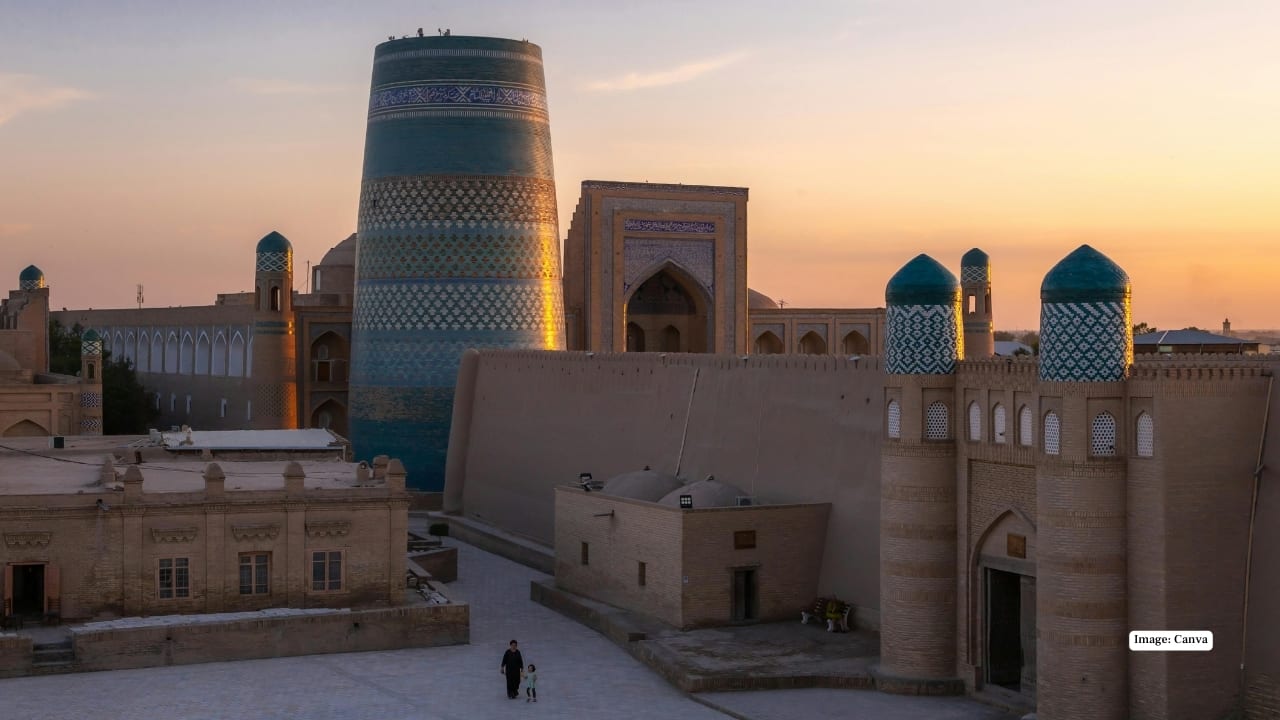 Image: Canva
Flights and Travel Logistics from India
Uzbekistan is easily accessible from India, with direct flights operating between Delhi and Tashkent. Several international carriers also offer one-stop connections via major hubs like Istanbul and Dubai. Once in the country, high-speed trains connect major cities such as Tashkent, Samarkand and Bukhara efficiently, while Khiva can be reached by overnight train or domestic flight.
A Destination That Defies Expectations
From desert nights under starry skies and wandering ancient Silk Road streets to skiing down snowy slopes just hours from historic cities, Uzbekistan offers a rare kind of travel experience. It’s a country that quietly delivers diversity, depth and value, rewarding travellers who venture beyond the usual tourist trails. For those seeking adventure, culture and affordability in one journey, Uzbekistan proves that you don’t need multiple countries to experience multiple worlds.

Discover the latest Business News, Sensex, and Nifty updates. Obtain Personal Finance insights, tax queries, and expert opinions on Moneycontrol or download the Moneycontrol App to stay updated!
Find the best of Al News in one place, specially curated for you every weekend.
Stay on top of the latest tech trends and biggest startup news.