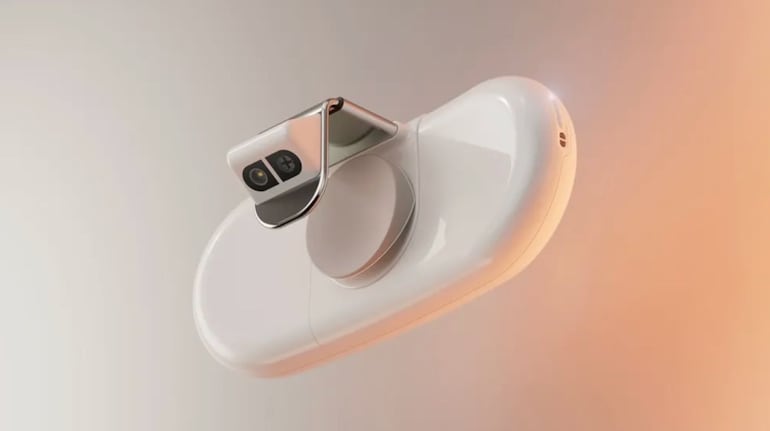
Kohler’s newest bathroom gadget is getting a lot of attention, and not just because it attaches to your toilet. The company recently launched the Dekoda, a smart camera that clips onto the toilet bowl, takes photos of what is inside and then analyzes those images to offer insights about your gut health. It is an unusual idea, and naturally, many people want to know whether the data it collects is actually safe.
That question became more serious after security researcher Simon Fondrie-Teitler examined Kohler’s claims and shared his findings online. His concerns were also reported by TechCrunch, which highlighted how Kohler may be overstating the strength of its privacy protections.
To reassure buyers, Kohler had said that the Dekoda uses “end-to-end encryption.” Most people understand this term to mean that not even the company can see their data, similar to apps like Signal or WhatsApp. But Fondrie-Teitler discovered that Kohler was not using the term the way most consumers understand it. By reading the company’s privacy policy, he found that Kohler was actually referring to standard internet encryption used during transmission, known as TLS. This protects data as it travels but does not prevent the company from accessing it once it arrives on their servers.
In simple terms, true end-to-end encryption means only the user can unlock the data. Kohler’s system, however, allows the company to view the toilet images because they are decrypted and processed on its servers.
Fondrie-Teitler also noted that because Kohler can access this data, the company could theoretically use the images to train its AI models. Kohler told him that its algorithms are trained only on “de-identified data,” but the fact that the company holds the information in clear form has raised eyebrows.
Kohler did not respond to TechCrunch’s questions for the story. However, the company did tell the researcher that data is encrypted while stored on a user’s phone, on the toilet attachment and on Kohler’s own systems. It also confirmed that data is encrypted while traveling between devices and its servers but is decrypted once it reaches Kohler for analysis.
The Dekoda costs 599 dollars, plus a required monthly subscription starting at 6.99 dollars. For a device that takes photos of something as private as what ends up in the toilet, users understandably want clarity about how their information is being handled.
The product is still being sold, but so are the worries.



Discover the latest Business News, Sensex, and Nifty updates. Obtain Personal Finance insights, tax queries, and expert opinions on Moneycontrol or download the Moneycontrol App to stay updated!
Find the best of Al News in one place, specially curated for you every weekend.
Stay on top of the latest tech trends and biggest startup news.