






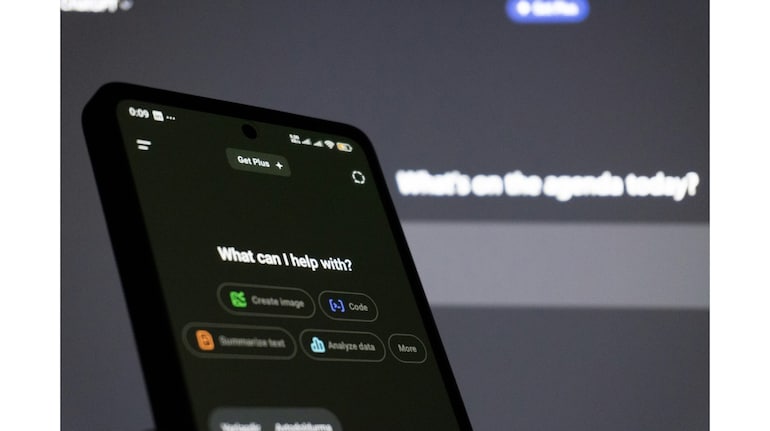

OpenAI has unveiled ChatGPT Health, a new section within ChatGPT that is specifically designed for conversations about physical and mental wellbeing. The company says the feature will offer users a more focused environment to discuss health topics, while keeping those conversations separate from everyday chats about work, travel or general queries.
According to OpenAI, health and wellness questions are already one of the most common use cases for ChatGPT, with more than 230 million people asking medical or health-related questions on the platform every week. Until now, those conversations have lived alongside all other chats. ChatGPT Health changes that by placing health discussions into a dedicated space, ensuring sensitive context does not spill over into unrelated conversations.
ChatGPT Health: Key features
If users begin asking medical questions outside the Health section, ChatGPT will attempt to guide them into the dedicated Health experience instead. Within this space, the assistant can still draw selectively on relevant context from other chats. For instance, if a user has previously discussed marathon training, ChatGPT Health may recognise them as a runner when discussing fitness goals or injury prevention.
One of the more notable aspects of ChatGPT Health is its planned integration with third-party wellness platforms. OpenAI says the feature will be able to connect with personal data from services such as Apple Health, Function and MyFitnessPal, allowing conversations to be informed by real-world activity, nutrition or health metrics. At the same time, the company stresses that conversations within ChatGPT Health will not be used to train its AI models.
Fidji Simo, OpenAI’s CEO of Applications, framed the product as a response to longstanding problems in healthcare, including high costs, limited access to doctors, overburdened medical systems and fragmented care. In her view, ChatGPT Health could help users better understand their health and prepare for conversations with professionals.
However, the announcement also highlights unresolved risks. Large language models like ChatGPT do not determine truth in the way humans or clinicians do. They generate responses based on probability, not medical certainty, and can produce confident but incorrect answers. OpenAI explicitly states in its terms of service that ChatGPT is not intended for diagnosing or treating medical conditions. "Health is designed to support, not replace, medical care. It is not intended for diagnosis or treatment," said OpenAI.


Discover the latest Business News, Sensex, and Nifty updates. Obtain Personal Finance insights, tax queries, and expert opinions on Moneycontrol or download the Moneycontrol App to stay updated!
Find the best of Al News in one place, specially curated for you every weekend.
Stay on top of the latest tech trends and biggest startup news.







