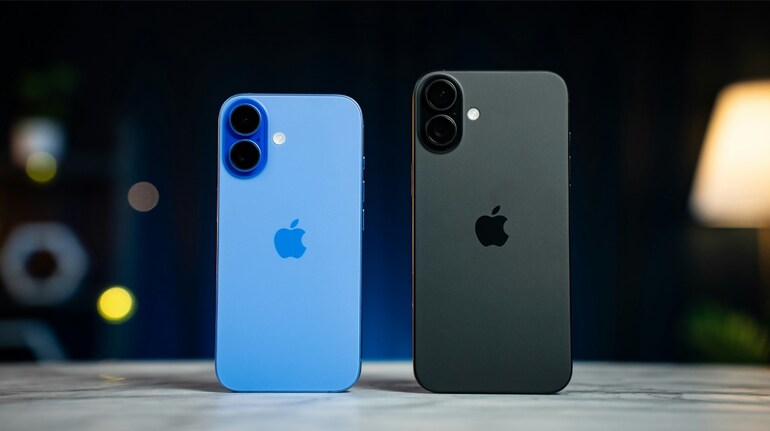

Apple may resist raising iPhone prices with its 2026 lineup, despite mounting cost pressures across its supply chain. According to noted Apple analyst Ming-Chi Kuo, the company’s current strategy for the iPhone 18 series is to keep starting prices as flat as possible, even as key components become more expensive to source and manufacture.
In a recent post on X, Kuo said Apple’s internal plan for iPhone 18 models launching in the second half of 2026 is to avoid price increases wherever feasible. At the very least, the company wants to maintain the current entry-level pricing, which Kuo notes would be beneficial from a marketing and demand perspective. This stance comes as a surprise given the growing number of reports pointing to rising costs across memory, silicon, and manufacturing.
Kuo’s comments were made in response to speculation around sharply increasing LPDDR memory costs for Apple. Memory pricing has been volatile in recent quarters, and suppliers are expected to charge more as demand rises across smartphones, PCs, and AI-focused hardware. On top of that, the upcoming A20 chip is widely expected to cost Apple significantly more to produce than previous generations.
The higher cost of the A20 chip is largely tied to Taiwan Semiconductor Manufacturing Company, Apple’s primary chip partner. TSMC is facing heavy demand for advanced manufacturing capacity as global investment in AI accelerates. GPU production for AI workloads has surged, bringing in new customers and stretching TSMC’s available capacity. As a result, Apple is reportedly paying higher rates to secure priority access to cutting-edge process nodes.
These factors have led many observers to predict that Apple would eventually pass at least some of these additional costs on to consumers through higher iPhone prices. Historically, Apple has shown a willingness to adjust pricing when component costs rise meaningfully, especially on higher-end models. That context makes Kuo’s outlook notably more optimistic for buyers.
Based on his long track record analysing Apple’s supply chain, Kuo believes the company will take a longer-term view. Rather than raising prices and risking demand softness, Apple is expected to absorb higher costs in the short term. Kuo describes this as a strategy to use current market disruption to Apple’s advantage, locking in critical chip supply, protecting sales volumes, and potentially expanding market share while competitors struggle with the same pressures.
While this approach could weigh on Apple’s gross margins in the near term, Kuo does not see it as a lasting problem. He expects Apple to recoup those losses over time through its fast-growing services business, which includes subscriptions, digital content, and platform fees. Services continue to deliver higher margins than hardware and play an increasingly important role in Apple’s overall financial performance.
There is still a long runway before the iPhone 18 launches, and pricing decisions can change based on economic conditions, competitive pressure, and further supply chain developments. However, if Kuo’s expectations hold, Apple buyers may avoid significant price hikes, even as the company navigates one of the most cost-intensive periods in iPhone production history.


Discover the latest Business News, Sensex, and Nifty updates. Obtain Personal Finance insights, tax queries, and expert opinions on Moneycontrol or download the Moneycontrol App to stay updated!
Find the best of Al News in one place, specially curated for you every weekend.
Stay on top of the latest tech trends and biggest startup news.