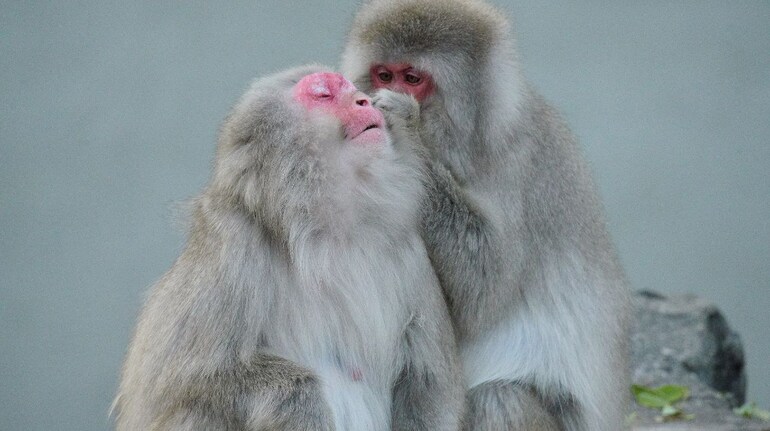

A new international study suggests same-sex sexual behaviour among non-human primates plays an important role in strengthening social bonds, particularly during environmental stress, offering fresh insight into primate societies and their evolutionary resilience.
Researchers analysed extensive records of same-sex sexual behaviour in primates. The study was published in Nature Ecology and Evolution. Scientists examined behavioural accounts across numerous primate species. Evidence showed such behaviour appears widely across primates. Reports covered 59 species including chimpanzees and gorillas. Barbary macaques and mountain gorillas were also included. The findings suggest deep evolutionary roots within primate lineages. Alternatively, the behaviour may have evolved independently multiple times.
Same-sex behaviour and social bonding
The researchers found behaviour linked strongly with social bonding. Same-sex interactions appeared to reduce aggression within groups. They also helped ease tensions during competition. Species facing scarce resources showed higher behaviour frequencies. Drier environments increased stress from limited food supplies. Predation risk further intensified social pressures within groups. In such conditions, cooperation became increasingly important. Same-sex behaviour appeared to reinforce alliances and stability.
Prof Vincent Savolainen from Imperial College London contributed. He noted parallels with early human evolutionary pressures. Early human species faced similar environmental challenges. Those pressures may have encouraged similar bonding behaviours. Savolainen said many extinct human relatives likely displayed this. He stressed such behaviour was observed among apes today. These findings suggest continuity across evolutionary timeframes.
Environmental pressures and evolutionary traits
The study examined environmental and biological influences together. Researchers found behaviour common among long-living species. It also appeared in species with size differences. Sexual dimorphism often links to competitive social systems. Larger groups tend to experience stronger internal competition. Complex hierarchies increased the likelihood of such behaviour. Chloe Coxshall led the research analysis. She highlighted both genetic and environmental influences. Environmental effects have often been overlooked previously.
The team noted these factors were interconnected closely. Environmental stress influenced life history traits significantly. Those traits then shaped social systems and behaviours. Same-sex behaviour helped groups navigate constant pressures. It supported cohesion during unstable ecological conditions.
Human relevance and scientific caution
Researchers urged caution when applying findings to humans. They warned against oversimplified interpretations about modern societies. Human sexuality remains complex and multifaceted. The team rejected links to social equality assumptions. However, they raised questions about modern pressures. Younger generations report greater sexual fluidity today. They also face increasing mental health challenges.
External experts welcomed the study’s broader implications. Prof Zanna Clay from Durham University commented positively. She said same-sex behaviour was neither rare nor abnormal. She described it as central to primate social systems. Josh Davis from the Natural History Museum offered caution. He emphasised diversity of queer behaviours across species. Davis warned against mapping animal behaviour directly onto humans. He said human behaviour reflects many unique influences.
Discover the latest Business News, Sensex, and Nifty updates. Obtain Personal Finance insights, tax queries, and expert opinions on Moneycontrol or download the Moneycontrol App to stay updated!
Find the best of Al News in one place, specially curated for you every weekend.
Stay on top of the latest tech trends and biggest startup news.