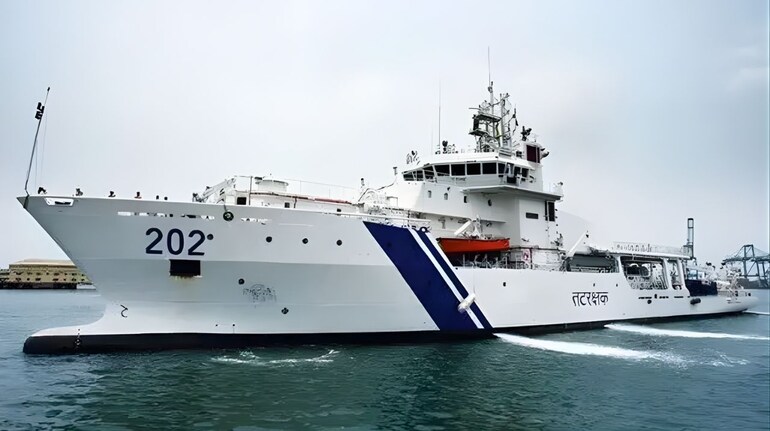

India’s coastal waters just got a major boost. The Indian Coast Guard has commissioned a new vessel, Samudra Pratap, designed to fight marine pollution and safeguard the seas. It is the first indigenously built Pollution Control Vessel (PCV) in the country’s history.
The ship marks a milestone in India’s maritime environmental defence. Equipped with advanced systems, Samudra Pratap will tackle oil spills, chemical leaks and other maritime hazards. It also supports search-and-rescue operations and strengthens coastal security across India’s vast waters.
India’s first fully indigenous Pollution Control Vessel
Samudra Pratap is India’s first fully indigenous Pollution Control Vessel. It was designed and built at Goa Shipyard Limited to meet the growing need for environmental protection at sea. The vessel measures 114.5 metres in length. It can carry equipment for oil spill containment, chemical recovery and emergency response.
More than 60% of its components are sourced from India, reflecting the nation’s focus on self-reliance in defence and maritime technology. Samudra Pratap strengthens India’s capability to protect its coastline, Exclusive Economic Zone (EEZ) and marine ecosystems while simultaneously supporting maritime law enforcement.
@IndiaCoastGuard Ship Samudra Pratap, the first of two Pollution Control Vessels, will be commissioned by Hon’ble Raksha Mantri Shri Rajnath Singh at @goashipyardltd, #Goa on 05 Jan 26. Built by #GSL with over 60% indigenous content, the 114.5 Mtr, 4,200 ton vessel boasts a speed… pic.twitter.com/8HVXYTbhIr— Indian Coast Guard (@IndiaCoastGuard) January 4, 2026
What makes Samudra Pratap unique?
At 114.5 metres long and 4,200 tons, it is among the largest vessels in the Coast Guard fleet. Its pollution-control systems allow rapid containment, recovery and neutralisation of hazardous substances. This combination of size, technology and indigenous design makes Samudra Pratap a game-changer in maritime environmental protection.
Who commissioned the vessel?
The vessel was officially commissioned by Defence Minister Rajnath Singh at Goa Shipyard Limited. He described the ship as a “major step forward” in both marine protection and India’s defence capabilities. Experts say it reflects India’s increasing focus on dual-use vessels. This is capable of environmental protection and security enforcement simultaneously.
How will it protect India’s coasts?
Samudra Pratap will patrol India’s Exclusive Economic Zone (EEZ) and coastal waters. It can respond to oil spills, chemical leaks, and maritime emergencies anywhere along the 7,500 km coastline. The ship’s presence also deters environmental threats, making India’s seas safer for ecosystems and commerce.
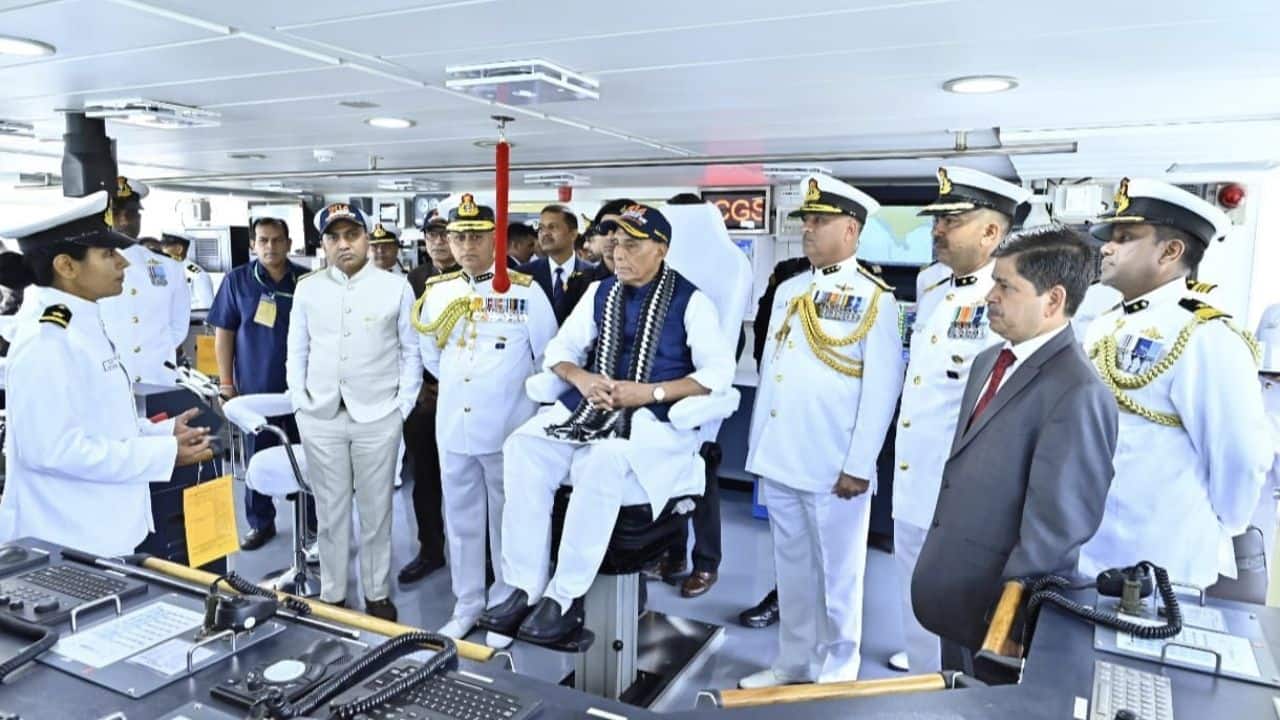 The vessel was officially commissioned by Defence Minister Rajnath Singh at Goa Shipyard Limited. (Image: X/@IndianCoastGuard)
Experts highlight that rapid response is key. With modern containment equipment and specialised recovery systems, Samudra Pratap can act faster than any previous PCV in the fleet.
Was making of this Vessel necessary?
Marine pollution is a growing global concern. Oil spills, industrial discharge and shipping accidents endanger both humans and wildlife. Samudra Pratap is India’s answer to these environmental threats, combining technology, manpower and indigenous innovation. Beyond pollution control, the ship strengthens India’s maritime security. It signals India’s commitment to protecting both its environment and strategic waters.
Discover the latest Business News, Sensex, and Nifty updates. Obtain Personal Finance insights, tax queries, and expert opinions on Moneycontrol or download the Moneycontrol App to stay updated!
Find the best of Al News in one place, specially curated for you every weekend.
Stay on top of the latest tech trends and biggest startup news.