ISRO (Indian Space Research Organisation) was founded on 15 August 1969. (Representative Image: Canva)
India's space journey is nothing short of a cosmic saga, where every mission tells a story of ingenuity and resourcefulness. The Indian Space Research Organisation (ISRO) has captured the imagination of the world with its astonishing, budget-friendly space missions. Despite operating on a fraction of the funds available to its global peers, ISRO has consistently delivered extraordinary results, proving that great things can come from modest investments. Here’s a look at seven standout missions that highlight ISRO’s prowess in space exploration.
Mangalyaan: Mars on a Minimal Budget
In 2013, ISRO achieved a remarkable feat with the launch of Mangalyaan, the Mars Orbiter Mission (MOM). This mission cost just $74 million, a fraction of NASA’s Maven mission, which had a budget of $670 million.
Story continues below Advertisement
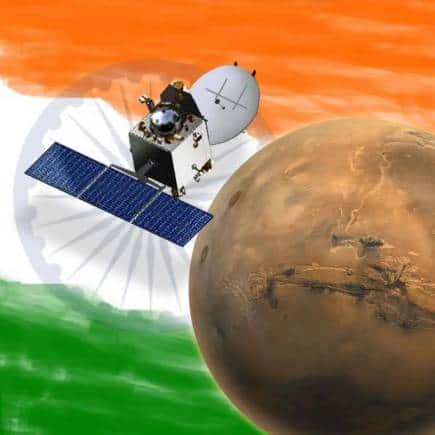 Mangalyaan: 2013 (Image: NASA/ISRO)
- Mission Objectives: Chandrayaan-1 involved sending an orbiter to the Moon to map its surface and study its mineral composition.
- Historic Discovery: The mission made history by discovering water molecules on the lunar surface, which has significant implications for future lunar exploration.
- Comprehensive Mapping: The orbiter contributed to an extensive mapping of the Moon’s surface, providing crucial data for selecting future lunar landing sites.
- Cost Efficiency: Despite its modest budget, Chandrayaan-1 delivered results comparable to more expensive missions, such as NASA’s $500 million Lunar CRater Observation and Sensing
Chandrayaan-1: India’s Lunar Pioneer
Launched in 2008, Chandrayaan-1 marked India’s foray into lunar exploration. This mission, which cost $82 million, involved sending an orbiter to the Moon to map its surface and study its mineral composition.
 Chandrayaan-1: 2008 (Image: ISRO/ESA)
- Objective: The orbiter was sent to map the Moon's surface and study its mineral composition.
- Historic Discovery: Chandrayaan-1 made history by discovering water molecules on the lunar surface, a groundbreaking finding for future lunar exploration.
- Mapping Contribution: The orbiter provided comprehensive mapping data of the Moon’s surface, aiding in the selection of landing sites for future missions.
- Comparison to Other Missions: Despite its modest budget, Chandrayaan-1 delivered results comparable to more expensive missions, such as NASA’s $500 million Lunar CRater Observation and Sensing Satellite.
PSLV: The Versatile Workhorse
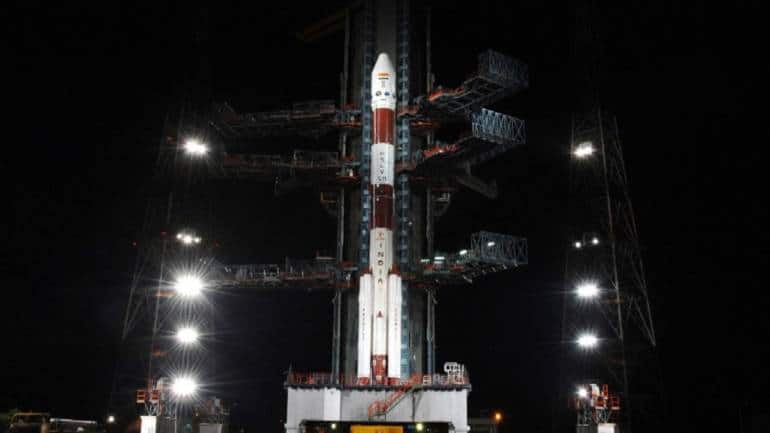
The Polar Satellite Launch Vehicle (PSLV) has become ISRO’s most reliable and cost-effective launch vehicle. Since its debut, PSLV has been used to deploy a wide array of satellites into various orbits. Each launch, costing just $20 million, supports a diverse range of missions, from Earth observation to interplanetary exploration.
Story continues below Advertisement
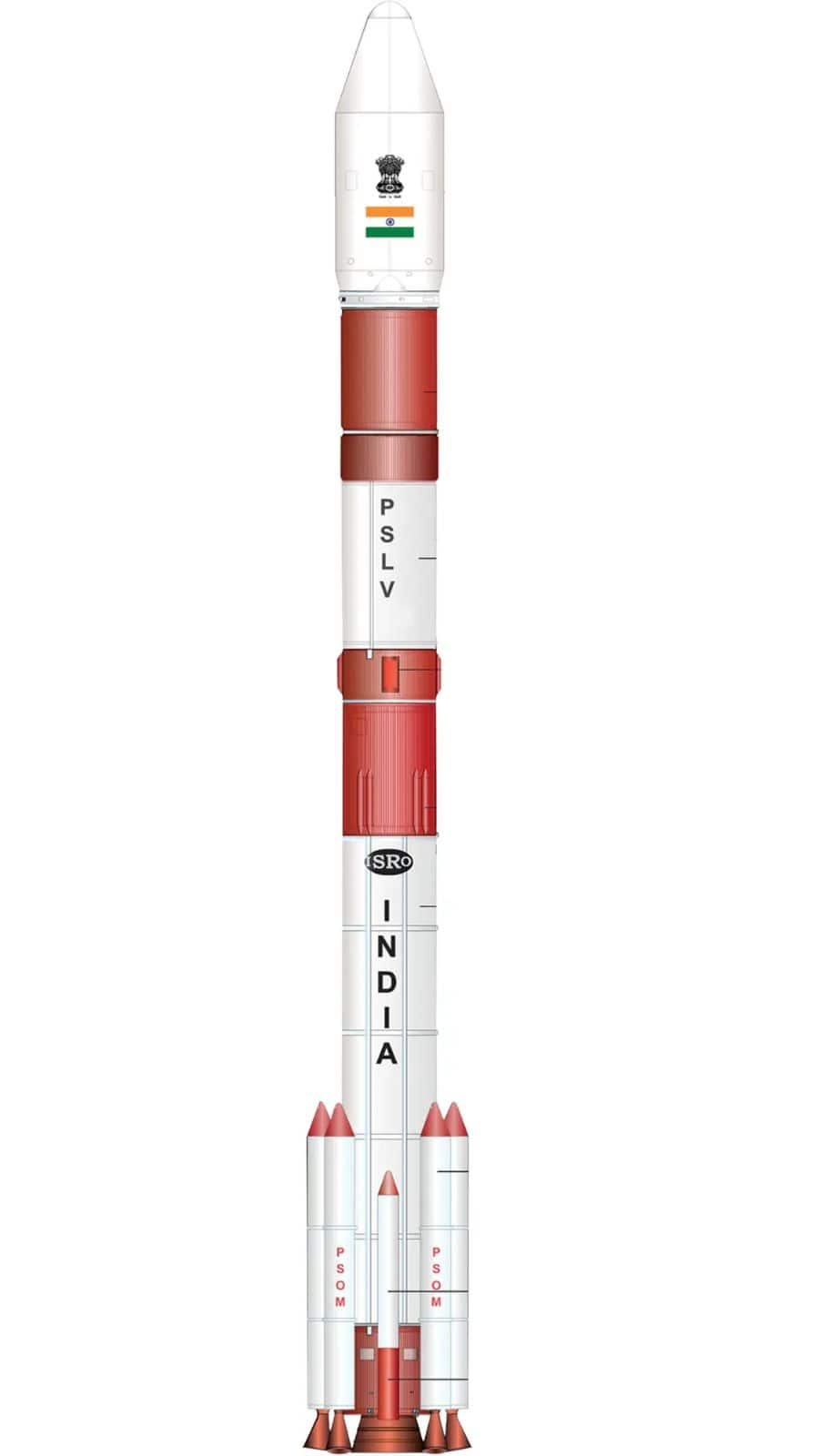 PSLV: 1994 (Image: ISRO)
- Versatility: PSLV's versatility was demonstrated by its successful launches of Chandrayaan-1 and several other critical satellites.
- Cost Comparison: The PSLV offers a dependable alternative to more expensive launch vehicles like Ariane 5, which costs $165 million per launch.
- Engineering Ingenuity: PSLV’s cost-effectiveness highlights ISRO’s engineering ingenuity, making it a globally recognized launch vehicle.
IRNSS: India's Navigation Triumph
The Indian Regional Navigation Satellite System (IRNSS), launched in 2013, represents a significant milestone in India's efforts to establish an independent navigation system. It was Developed at a cost of $200 million.
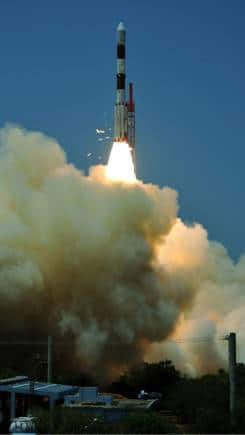 IRNSS 2013: (Image: ISRO)
- Objective: IRNSS aims to establish an independent navigation system, providing accurate positioning and timing services across India and the surrounding region.
- Strategic Importance: It significantly reduces India’s dependence on foreign navigation systems, such as the US GPS, which had a development cost of $1.2 billion.
- Current Name: IRNSS is now known as NavIC (Navigation with Indian Constellation).
- Applications: NavIC supports various applications, including navigation, disaster management, and enhances India’s strategic and technological autonomy.
Astrosat: India’s Celestial Observer
In 2015, ISRO launched Astrosat, India’s first dedicated multi-wavelength space observatory, with a budget of $100 million.
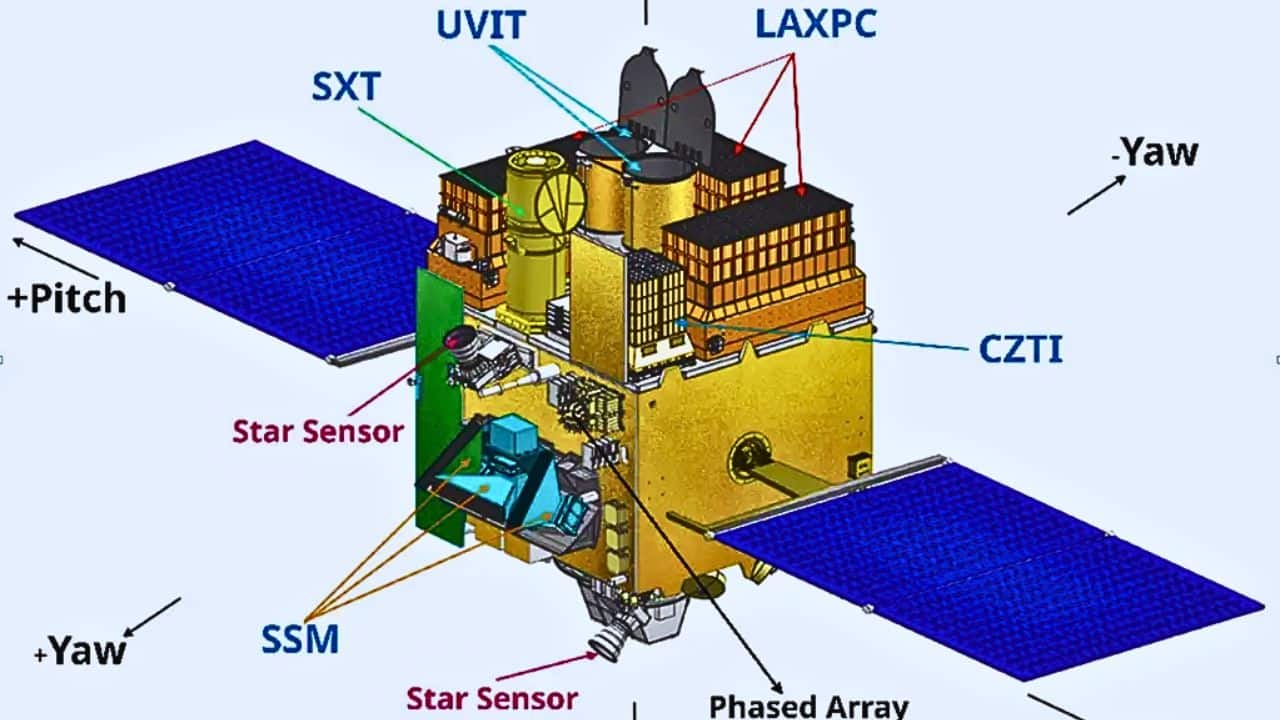 Astrosat: 2015 (Image: ISRO)
- Objective: Astrosat was designed to study celestial sources in various wavelengths, including ultraviolet, visible, and X-rays.
- Scientific Goals: The mission aimed to enhance understanding of cosmic phenomena such as black holes, neutron stars, and supernovae.
- Unique Capability: Astrosat’s ability to observe different wavelengths simultaneously provides valuable insights into the universe.
- Global Significance: The data from Astrosat complements the work of more expensive observatories like NASA’s Hubble Space Telescope, which had a budget of $2 billion.
GSLV: The Heavy-Lifter
The Geosynchronous Satellite Launch Vehicle (GSLV) has become a cornerstone of ISRO’s launch capabilities for heavier payloads.
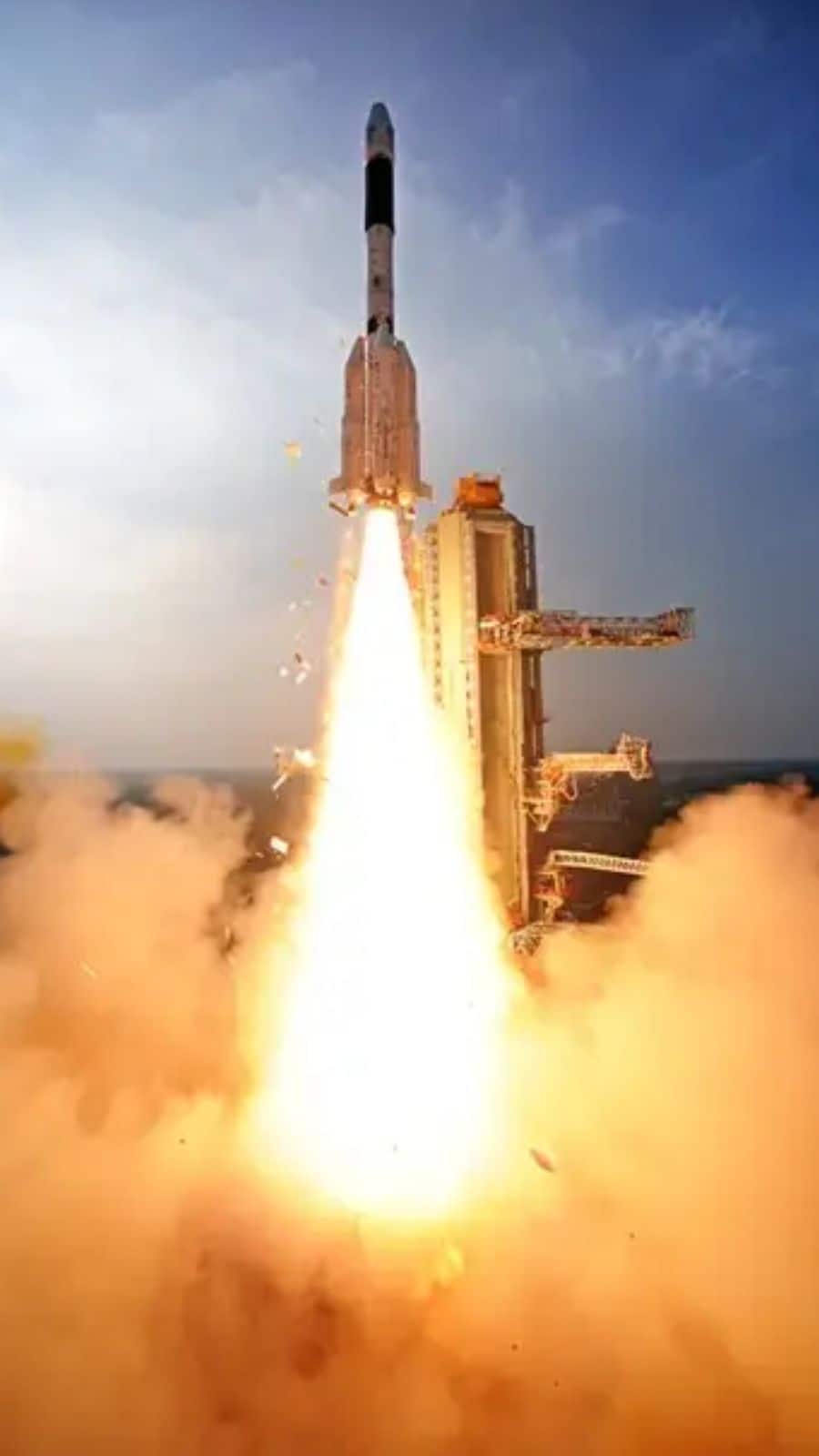 GSLV: 2014 (Image: ISRO/NASA)
- Cost-Effective: Each GSLV launch costs $30 million, providing an affordable option for deploying large satellites into geostationary orbits.
- Successful Missions: The GSLV has successfully launched important satellites, including the GSAT-14 communication satellite, boosting India’s telecommunication infrastructure.
- Competitive Advantage: GSLV’s ability to manage heavy payloads at a lower cost than vehicles like the Ariane 5 highlights ISRO’s focus on affordable space technology advancement.
RISAT-2: Radar Imaging Excellence
Launched in 2009, RISAT-2 is a radar imaging satellite developed for $100 million, designed to provide high-resolution images of the Earth's surface.
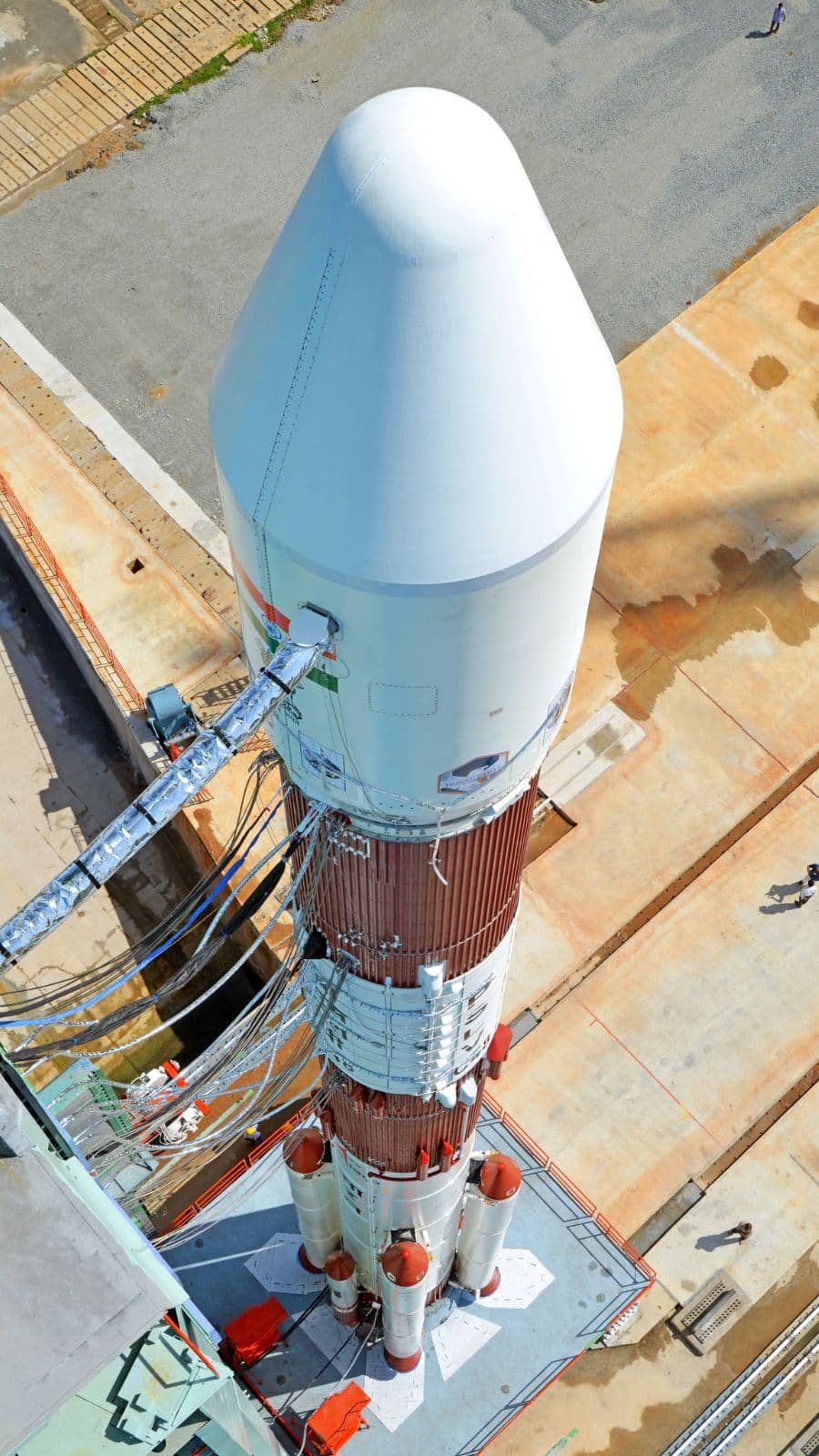 RISAT 2 (Image: ISRO)
- Advanced Technology: Equipped with synthetic aperture radar (SAR), RISAT-2 captures high-resolution images of the Earth's surface, regardless of weather conditions or daylight.
- Applications: Its capabilities are vital for disaster management, agricultural monitoring, and surveillance.
- Cost Efficiency: RISAT-2’s development and operational costs are significantly lower than Israel’s TecSAR satellite, which cost $200 million, showcasing ISRO’s efficiency in producing advanced technology affordably.
These missions underscore ISRO's ability to achieve remarkable milestones in space exploration while adhering to cost-effective strategies. With each successful project, ISRO continues to push the boundaries of space science, proving that innovation and efficiency go hand in hand in the quest for the stars.