






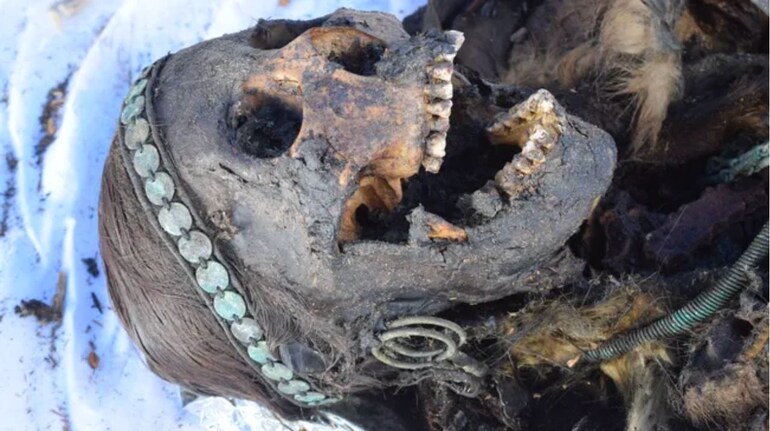

Centuries-old naturally preserved mummies from Siberia are revealing rare details about Indigenous Yakut genetics, culture and belief systems across several centuries. A major archaeogenetic study shows how the Yakuts maintained continuity before, during and after Russia’s conquest of their land, despite pressure from imperial expansion and religious change.
Ancient DNA and Russian conquest
Researchers recovered the remains of more than 120 Indigenous Yakuts buried between the 14th and 19th centuries across four regions of Yakutia, also known as the Sakha Republic, one of the coldest places on Earth. The findings, published Wednesday in the journal Nature, analysed whether Russian expansion into Siberia beginning in 1632 reshaped Yakut genetics.
DNA results showed modern Yakut ancestry traces back to migrations during the 12th and 13th centuries, confirming long-preserved oral histories. Unlike other colonial conquests, researchers found no strong evidence of population collapse or widespread genetic mixing with Russian settlers. Scientists believe the extreme environment limited settlement, helping Yakut genetic heritage remain stable from the 16th century to the present.
Microbiome clues and daily life
Beyond genetic ancestry, scientists examined dental plaque and teeth to study the Yakuts’ ancient oral microbiome. Researchers expected changes due to introduced foods such as barley, rye and tobacco following Russian contact. Instead, results showed remarkable microbiome stability over centuries, suggesting daily diets and lifestyles changed little despite political and cultural pressure. The exceptional preservation allowed researchers to examine not only biological material but also clothing and jewellery, offering rare insight into both health and cultural practices.
Shamanism and a remarkable burial
Archaeological evidence revealed that traditional shamanism survived well into the late 18th century, long after efforts at Christianisation began. One burial drew particular attention, belonging to a woman in her 30s who died more than 250 years ago and is considered the last Yakut shaman. Genetic analysis showed her parents were second-degree relatives, making her the most inbred individual in the study. She was buried in a tree-trunk coffin wearing layered clothing, including a red woollen dress made from imported fabric, alongside symbolic horse remains. Researchers interpret her burial as representing clan identity and resistance, preserving spiritual traditions during cultural change.
The study highlights how Indigenous Yakut communities protected both biological continuity and cultural identity across centuries of upheaval, offering rare insight into human adaptation and resilience in one of the planet’s most extreme environments.
Discover the latest Business News, Sensex, and Nifty updates. Obtain Personal Finance insights, tax queries, and expert opinions on Moneycontrol or download the Moneycontrol App to stay updated!
Find the best of Al News in one place, specially curated for you every weekend.
Stay on top of the latest tech trends and biggest startup news.





