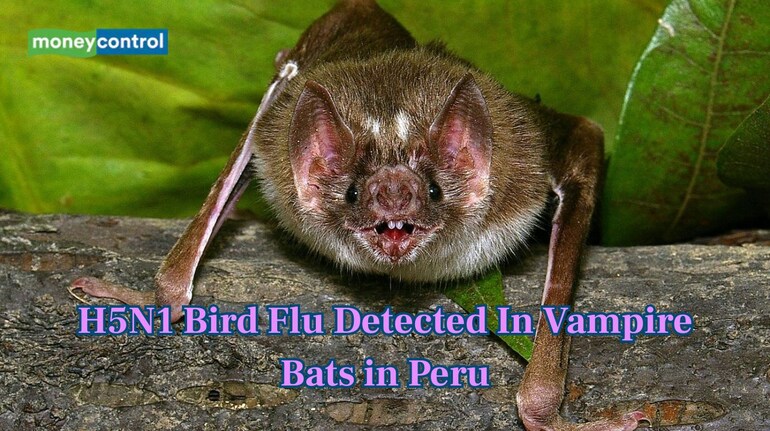
Scientists have detected signs of H5N1 bird flu exposure in bats. The discovery involves vampire bats living along Peru’s coastal regions. The finding raises concerns about new mammal hosts for dangerous viruses. H5N1 has already devastated birds and marine mammals across South America.
Coastal Feeding Linked to Exposure
Researchers sampled hundreds of vampire bats from multiple Peruvian locations. Only bats from coastal regions showed antibodies against the H5N1 virus. These bats feed on marine animals, including seabirds and sea lions. Inland bats showed no evidence of bird flu exposure.
Laboratory Tests Confirm Viral Binding
Scientists tested whether H5N1 could infect bat tissues in laboratories. The virus successfully attached to lung and liver cells from bats. Experiments confirmed the virus can infect bat cells under controlled conditions. This suggests bats could theoretically support viral replication.
Limited Evidence Of Bat Transmission
Despite exposure, scientists found no strong evidence of bat-to-bat transmission. The virus appears poorly adapted for sustained spread among bats currently. Researchers stress that spillover does not equal ongoing circulation. Continuous monitoring remains essential as viral evolution can change rapidly.
Why This Discovery Matters?
H5N1 continues spreading across new species, increasing pandemic risks globally. Understanding animal hosts helps scientists predict and prevent future outbreaks. Bats often host viruses without severe illness, complicating detection efforts. This study highlights hidden transmission pathways between wildlife species.
Next Steps For Global Surveillance
Scientists urge expanded wildlife surveillance across affected regions. Future studies will examine whether bats can transmit H5N1 onward. Monitoring viral mutations will assess risks of mammalian adaptation. Early detection remains critical for protecting human and animal health worldwide.
Discover the latest Business News, Sensex, and Nifty updates. Obtain Personal Finance insights, tax queries, and expert opinions on Moneycontrol or download the Moneycontrol App to stay updated!
Find the best of Al News in one place, specially curated for you every weekend.
Stay on top of the latest tech trends and biggest startup news.