






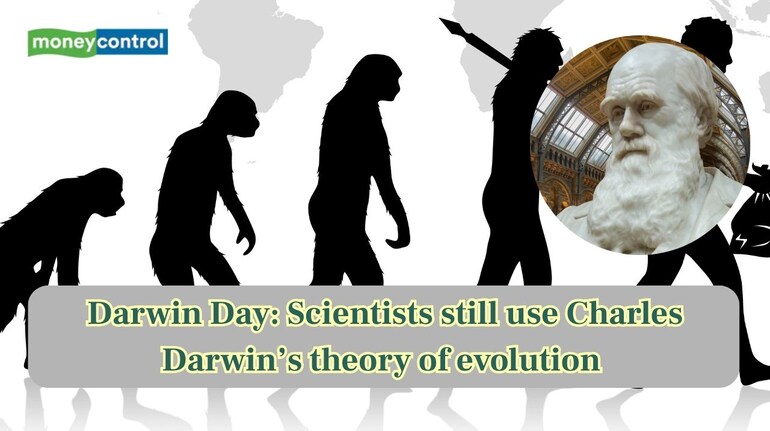

February 12 marks Darwin Day, the birth anniversary of Charles Darwin. He is widely known as the father of evolutionary biology. Born in Shrewsbury, England. Over a century later, his ideas continue to guide scientists around the world. Darwin did not just observe nature; he cracked the code of evolution.
His theory of natural selection showed how species change over generations. Traits that help survival get passed on, while less useful traits fade away. His ideas changed how we understand life on Earth. Before Darwin, many believed species were fixed and unchanging. But he proved otherwise.
What Did Charles Darwin Discover?
Charles Darwin’s greatest contribution was the "theory of evolution" by natural selection. During his voyage on the HMS Beagle, he observed plants, animals and fossils across continents.
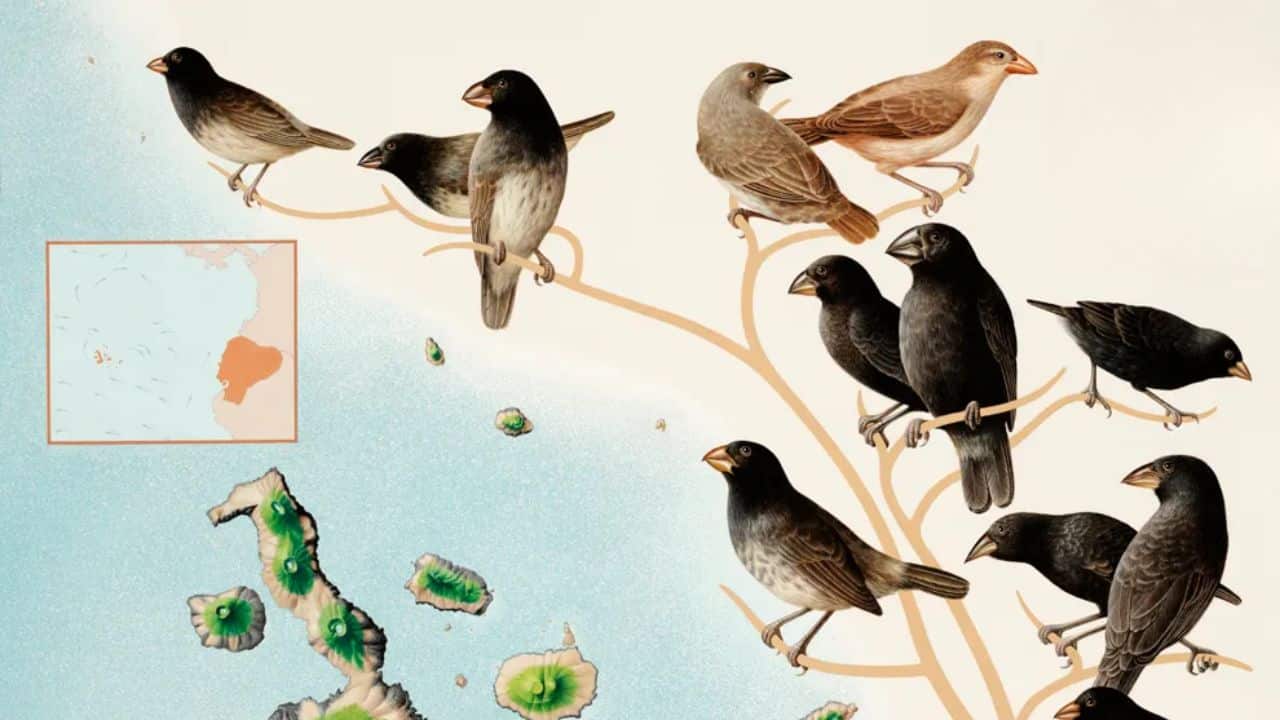 The famous Galápagos finches. (Image: National Geographic)
The famous Galápagos finches caught his attention. Their beaks differed depending on diet and environment. This led to a powerful insight. Over time, these traits become common. In 1859, he published On the Origin of Species that shook the scientific world.
Are His Theories Still Used Today?
Yes, Charles theory is used by scientists more than ever. Modern biology is built on Darwin’s foundation. Scientists now use DNA and genetic sequencing to confirm what Darwin proposed without knowing about genes.
His theory helps to explain that how viruses mutate, why bacteria develop antibiotic resistance, how animals adapt to climate change and human evolutionary history. Charles Darwin gave the framework and modern science added the molecular details.
Which of Darwin’s Ideas Help Scientists Today?
Several key principles remain central:
1. Natural Selection – Explains adaptation and survival in changing environments.
2. Common Ancestry – Shows that all life forms share evolutionary roots.
3. Descent with Modification – Describes gradual change over time.
4. Sexual Selection – Explains traits like peacock feathers or deer antlers.
These concepts guide research in medicine, conservation biology, ecology, agriculture, and even artificial intelligence models.
How Charles Darwin Changed the Way We See Biology?
Darwin did something revolutionary. He turned biology from a descriptive science into an explanatory one. Instead of asking what species exist, scientists began asking why they exist in their present form. He connected humans to the rest of the animal kingdom, introduced time as a key force in shaping life. He also showed that nature is dynamic, not static.
Discover the latest Business News, Sensex, and Nifty updates. Obtain Personal Finance insights, tax queries, and expert opinions on Moneycontrol or download the Moneycontrol App to stay updated!
Find the best of Al News in one place, specially curated for you every weekend.
Stay on top of the latest tech trends and biggest startup news.





