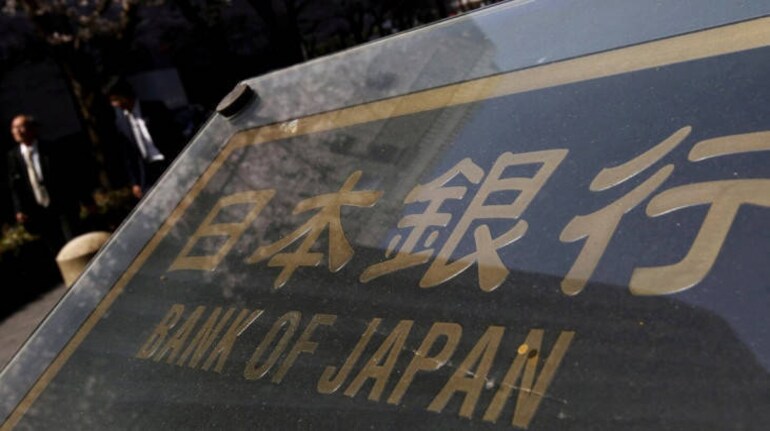
Japan’s benchmark 10-year bond yield may climb above 1% for the first time in 11 years as the market becomes more volatile in the run-up to an expected interest-rate hike by the central bank.
That’s the view of some analysts in Tokyo as traders prepare for the Bank of Japan to increase rates for the first time since 2007. Overnight-indexed swaps point to a 67% chance that the BOJ will end negative rates by April. And while BOJ officials have said that monetary policy will be kept easy even after minus rates are abandoned, traders will likely bet on further hikes, pressuring debt yields higher, analysts say.
The 10-year will likely breach 1%, especially if the Federal Reserve refrains from cutting rates in June contrary to expectations, or if the yen weakens further after the BOJ ends negative rates, said Naka Matsuzawa, chief strategist at Nomura Securities Co. Bond moves may depend on how the market reads the BOJ’s signals, he said.
“Central banks often suggest at the start of monetary tightening that it’s not tightening, and that the accommodative environment will continue,” Matsuzawa said. “It’s like a doctor telling a patient that an injection will not hurt and will be over soon.”

While a 1% yield on 10-year government bonds would still be among the lowest in the world, for Japan an increase to that level will be another sign it’s emerging from decades of deflation that saw the yield fall below zero in past years.
Japan has the second most government bonds outstanding in the world after US Treasuries, making it a key market for both domestic and foreign investors. Moves in Japan’s benchmark 10-year yield are watched especially closely because of their potential effect on the real economy and the financial system, as well as global fund flows.
There’s a good chance that negative interest rates will be lifted in March, and though the BOJ will emphasize that the pace of rate hikes will be slow, it will be difficult to dispel uncertainty about the outlook for monetary policy, said Makoto Yamashita, chief economist at Shinkumi Federation Bank. This will drive up yields, Yamashita said.
While BOJ Deputy Governor Shinichi Uchida said last week that financial conditions will remain accommodative even after the negative-rate policy is ended, he also said policy moves will depend on future economic and price conditions. If the yen weakens further or the Fed delays cutting interest rates due to inflationary pressure, there’s a risk that Japanese bond yields will rise on speculation the BOJ will hike rates more than once.
When negative interest rates are lifted, “volatility may rise and overshoot, so it’s not a good idea to be optimistic” about the bond market outlook, said Yuichi Chiguchi, chief investment strategist at BlackRock Japan Co.
He cited the so-called value-at-risk, or VAR, shock seen in 2003 as an example of the kind of volatility that the debt market faces. Too many banks using the same bond risk management technique known as VAR prompted a chain reaction of selling that caused 10-year yields to shoot above 1% in two months from 0.43% that year. The benchmark yield was at 0.73% on Friday.
Discover the latest Business News, Sensex, and Nifty updates. Obtain Personal Finance insights, tax queries, and expert opinions on Moneycontrol or download the Moneycontrol App to stay updated!

Find the best of Al News in one place, specially curated for you every weekend.
Stay on top of the latest tech trends and biggest startup news.