Moneycontrol PRO
Black Friday Sale
Black Friday Sale
HomeNewsTrendsCurrent AffairsAll you need to know about Eris, the new Covid variant spreading rapidly

All you need to know about Eris, the new Covid variant spreading rapidly

New Covid variant: Eris has inherited some of its symptoms from the parent Omicron strain.

August 07, 2023 / 11:32 IST
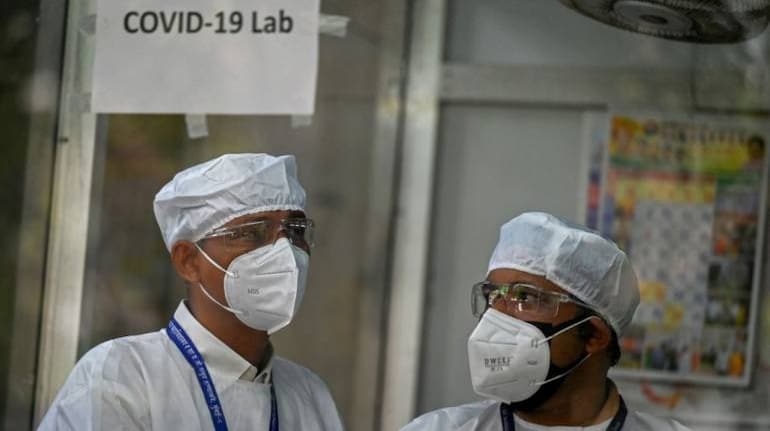
The new Covid variant Eris is a strain of Omicron. (File)

A new Covid variant, named Eris or EG.5.1, has been causing alarm as it spreads rapidly across the UK. Initially identified as a variant on July 31, Eris is a variant of the Omicron strain and has now become the second most prevalent one, accounting for a troubling one in ten Covid cases.

The surge in infections comes at a time when the country is grappling with a spike in hospital admissions, further compounded by inclement weather and waning immunity.

The situation has prompted experts to sound the alarm bells, warning of the potential for another wave fuelled by subvariants of Omicron, Arcturus, and Eris.

The UK Health Security Agency (UKHSA) has been closely monitoring the emergence of Eris since July 3, 2023, following a significant increase in international reports, particularly in Asian regions.

In the week beginning July 10, approximately 11.8% of UK sequences were identified as Eris, and the latest data indicates that this figure has climbed to a worrisome 14.6% of all cases.

COVID-19 Vaccine

Frequently Asked Questions

View more
How does a vaccine work?

A vaccine works by mimicking a natural infection. A vaccine not only induces immune response to protect people from any future COVID-19 infection, but also helps quickly build herd immunity to put an end to the pandemic. Herd immunity occurs when a sufficient percentage of a population becomes immune to a disease, making the spread of disease from person to person unlikely. The good news is that SARS-CoV-2 virus has been fairly stable, which increases the viability of a vaccine.

How many types of vaccines are there?

There are broadly four types of vaccine — one, a vaccine based on the whole virus (this could be either inactivated, or an attenuated [weakened] virus vaccine); two, a non-replicating viral vector vaccine that uses a benign virus as vector that carries the antigen of SARS-CoV; three, nucleic-acid vaccines that have genetic material like DNA and RNA of antigens like spike protein given to a person, helping human cells decode genetic material and produce the vaccine; and four, protein subunit vaccine wherein the recombinant proteins of SARS-COV-2 along with an adjuvant (booster) is given as a vaccine.

What does it take to develop a vaccine of this kind?

Vaccine development is a long, complex process. Unlike drugs that are given to people with a diseased, vaccines are given to healthy people and also vulnerable sections such as children, pregnant women and the elderly. So rigorous tests are compulsory. History says that the fastest time it took to develop a vaccine is five years, but it usually takes double or sometimes triple that time.

View more
Show

This progression has prompted the World Health Organization (WHO) to add EG.5.1 to its list of variants under monitoring.

Symptoms of Eris

Eris has inherited some of its symptoms from the parent Omicron strain.

The top five symptoms associated with the variant, as reported by the ZOE Health Study, are:Runny nose. Headache. Fatigue (mild or severe).Sneezing. Sore throat.

Professor Christina Pagel, a member of Independent Sage, expressed her concern about the UK possibly entering another wave driven by these variants, waning immunity, and unfavourable weather. She pointed out that the recent persistent wet weather might be contributing to the surge as people spend more time indoors.

She warned that this could be just the beginning, and as the summer holidays end, and schools and workplaces reopen, the wave could grow exponentially in September.

Read: New Covid variant ‘Arcturus’ behind surge in cases in India

However, Professor Azeem Majeed, head of primary care and public health at Imperial College London, attempted to calm some fears by downplaying the concerns surrounding Eris.

He emphasized that fluctuations in case numbers are natural, and while Eris is designated as a variant under monitoring by WHO, it is not currently classified as a variant of concern.

Moneycontrol News
first published: Aug 7, 2023 11:28 am

Discover the latest Business News, Sensex, and Nifty updates. Obtain Personal Finance insights, tax queries, and expert opinions on Moneycontrol or download the Moneycontrol App to stay updated!

Subscribe to Tech Newsletters

  • On Saturdays

    Find the best of Al News in one place, specially curated for you every weekend.

  • Daily-Weekdays

    Stay on top of the latest tech trends and biggest startup news.

Advisory Alert: It has come to our attention that certain individuals are representing themselves as affiliates of Moneycontrol and soliciting funds on the false promise of assured returns on their investments. We wish to reiterate that Moneycontrol does not solicit funds from investors and neither does it promise any assured returns. In case you are approached by anyone making such claims, please write to us at grievanceofficer@nw18.com or call on 02268882347