Implementation of Goods and Services Tax (GST) has spruced up demand for higher tonnage trucks as regional warehouses get bigger to serve to markets even beyond their state boundaries.
Demand for trucks bigger than 25 tonnes is expected to remain robust over the next 2-3 years aided by a string of new launches, stricter overloading norms, better fuel efficiency and pre-ponement of purchases by buyers to avoid the BS-VI price hike.
As per data supplied by the Society of Indian Automobile Manufacturers, demand for haulage tractors zoomed 55 percent to 44,829 units during April-November as against 28,889 units sold in the same period last year. In November alone, volumes have more than doubled compared to the same month last year.
Operating costs per tonne are lower for larger vehicles at high utilisation levels, owing to better fuel efficiencies and lower fixed costs. These factors have driven growth of large HCVs over the last three years.
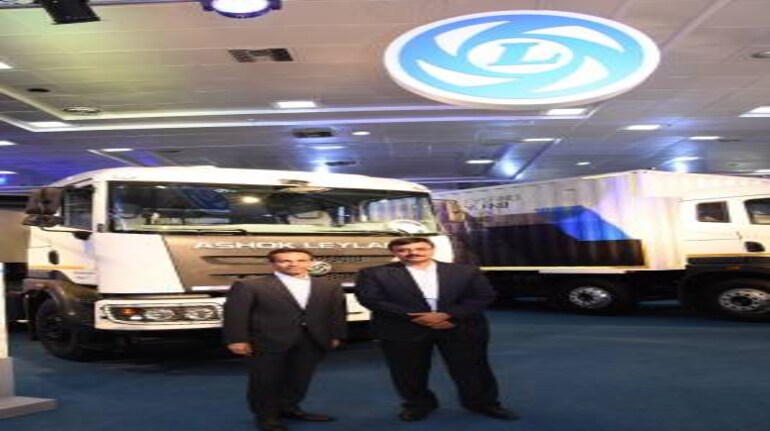
Anuj Khaturia, president (global trucks), Ashok Leyland, said, “The product mix that is there in the market post GST is now moving to higher horse power, higher tonnage vehicles. So for instance in rigid vehicles it used to be the 31 tonne that was the highest-selling vehicle now it has been replaced by the 37 tonne. Similarly in tractor trailers the market is shifting to 49 tonne from 40 tonne so the customers are also reorganizing their fleets to induct more of the high tonnage vehicles. So on one side you will have the higher tonnage vehicle and on the other side you will have the light and intermediate commercial vehicles for the last mile movement.”
 PTI
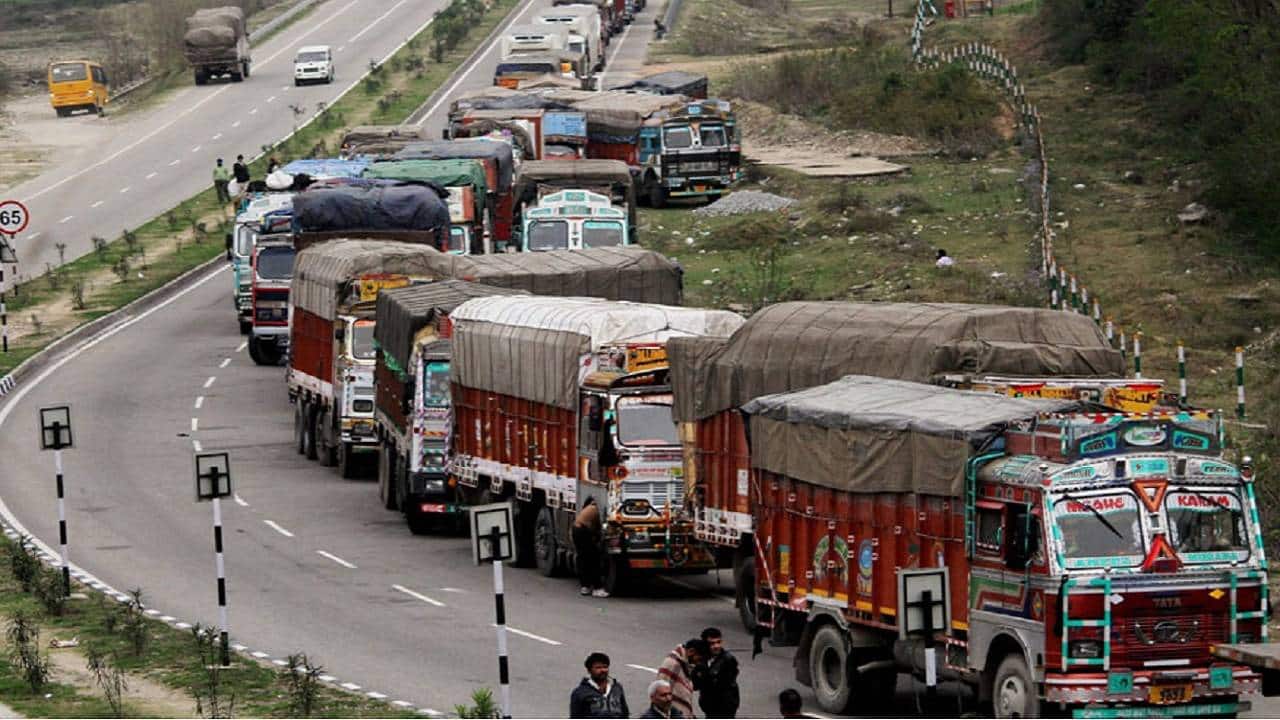
PTILarge heavy commercial vehicles comprise more than 50 percent of all CVs sold by tonnage. Prior to GST, central state tax was levied if the state in which the final sale took place was different from where the warehousing or manufacturing happened. Therefore, in order to achieve tax efficiency, large companies typically maintained a warehouse in almost every state.
After GST was rolled out, companies started moving towards larger warehouses, with their locations decided on the basis of logistical efficiencies rather than tax concerns. Many are now in the process of re-designing their supply chains, which will reduce the number of warehouses by up to 40 percent - from more than 30 in all to around 18-20 over the next few years, a report by CRISIL said.
“Players with stronger product profiles in ICVs and HCVs stand to benefit – and this will support their credit profiles – while those unable to adapt to the shift towards higher tonnages will come under stress,” said Manish Gupta, Director, CRISIL Ratings.
Moreover, larger, integrated logistics players are gaining traction, which is also contributing to the shift. In the first 8 months of this fiscal, large HCVs with gross vehicle weight (GVW) over 25 tonnes saw growth of more than 45 percent in tonnage compared with a decline of more than 10 percent for their lighter counterparts (<25 tonnes GVW).
“As hubs get bigger, and more concentrated for a few industries, preference will shift to much higher-tonnage HCVs (towards 37T multi-axle vehicles and higher-tonnage tractor-trailers). Also, new product offerings by OEMs in the higher tonnage intermediate commercial vehicles (ICVs) segment will continue to grain traction along the spoke routes,” said Binaifer Jehani, Director, CRISIL Research.



Discover the latest Business News, Sensex, and Nifty updates. Obtain Personal Finance insights, tax queries, and expert opinions on Moneycontrol or download the Moneycontrol App to stay updated!
Find the best of Al News in one place, specially curated for you every weekend.
Stay on top of the latest tech trends and biggest startup news.