-
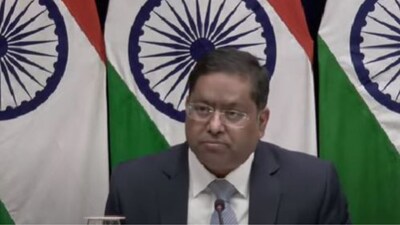
PM Modi spoke to Iranian President, discussed 'serious' situation in West Asia: MEA
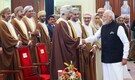
The Prime Minister earlier spoke to the leaders of Oman, Kuwait, Bahrain, Saudi Arabia, the UAE, Jordan, Israel and Qatar, and expressed concern over the attacks on their countries, and condemned the violation of some nation’s sovereignty and territorial integrity.
-

LPG production up 30%, citizens should get in touch with local distributors: Centre
As part of the routine briefing, Sujata Sharma, Joint Secretary (Marketing & Oil Refinery), Ministry of Petroleum & Natural Gas agreed that LPG is an issue of concern since major portion of the consumption comes from strait of Hormuz. Despite this no dry out has been observed so far.
-
Tech firms Zepto, PhonePe push ahead with IPO roadshows amid West Asia conflict, market volatility
The investor meetings come at a time when global and domestic stock markets are witnessing extreme volatility amid the ongoing conflict in West Asia that has led to the blocking of sea lanes vital for crude and gas transport and other commodities.
-
Chart of the Day: Benign February retail inflation isn’t cause for relief
With LPG price increases, the effect of West Asia war would be felt in March inflation, posing a risk to markets and monetary policy
-
India in talks with Iran over safe passage of 20 oil tankers through Hormuz
Traffic through Hormuz has dropped dramatically, but ships do occasionally manage to transit, including tankers bound for India, according to Sumit Ritolia, lead analyst at Kpler.
-
Bond yields spike 5 bps as Brent crude surges past $100
The benchmark 10-year bond yield was trading at 6.68% on crude fears as Iran again hits oil tankers
-
Iran war could widen India’s CAD if crude prices stay elevated, warn analysts
The West Asia conflict has renewed concerns about volatility in global energy markets and its implications for large oil-importing economies such as India
-
Banking, shipping secretaries to meet stakeholders today on relief for exporters amid West Asia crisis
The discussions are expected to explore possible relief measures for exporters, including lowering insurance costs, freeing up working capital, and expanding credit access to help exporters navigate disruptions.
-
Groww-th before the war: brokers add investors for second straight month
The broking industry sees second straight month of growth, though the West Asia conflict and heightened volatility can upset the momentum in March
-
US-Iran conflict unlikely to impact long-term capital inflows from Gulf countries
Investors from the Gulf region have invested nearly $33 billion in Indian companies over the last five years, data from LSEG shows
-
QatarEnergy production halt may disrupt India’s LNG supply, govt closely monitoring
Government sources, however, said that India is closely monitoring the situation and does not expect any notable hit on the country’s LNG supplies if the Qatar facility is shut for 8-10 days. If the closure is prolonged, the government might explore additional domestic supply adjustments to address the issue, official sources said.
-
PM Modi holds talks with Gulf, Israeli leaders as West Asia conflict escalates, avoids Iran
The flurry of calls comes amid a rapidly evolving conflict triggered by the joint US–Israeli military offensive against Iran
-
US and Iran near military conflict: Key US bases in West Asia, why they matter and how they could be targeted
The United States maintains tens of thousands of troops and major military facilities across the region, all operating under US Central Command, also known as Centcom.
-
India goes green at WEF 2026, Union minister Joshi pitches renewable energy exports to West Asia via Oman
New Delhi looks to Oman as a gateway market for solar modules, green hydrogen and derivatives under the India–Oman CEPA amid a slowdown in US-bound exports.
-
'China and Russia are signalling deterrence': Iran turmoil hardens regional blocs
Former diplomat Anil Trigunayat warns China and Russia are backing Iran amid domestic unrest, sustaining its economy and signalling deterrence, hardening West Asia geopolitical blocs and raising regional strategic stakes.
-
Low pay, high taxes, visa woes: Why Indian doctors are choosing Australia and West Asia over UK
With Australia, New Zealand and West Asia offering higher salaries, clearer residency options and lower tax burdens, many Indian doctors now see the UK as a stepping stone rather than a destination.
-
India-Oman trade pact allows longer stays, higher transfer quotas for Indian professionals
The India-Oman CEPA raises intra-company transferee quota from 20% to 50%, allows contractual service suppliers to stay up to two years with a possible two-year extension in Oman, and liberalises visas for business visitors and professionals across services sectors.
-
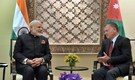
PM Modi’s Jordan visit seals agreements on energy, water, culture and digital cooperation
MoUs on renewable energy, water management, digital public infrastructure and cultural exchange signed during Modi's first visit to Jordan, as two sides mark 75 years of diplomatic ties
-
India-Oman free trade agreement to be signed soon: Govt official
The Indian government is exploring markets in West Asia and Europe for its labour-intensive products to cushion the impact of the steep tariffs imposed by the US.
-
Iran-Israel War: India ramps up oil imports from Russia, US in June
The conflict in the Middle East has so far not impacted oil supplies.
-
PM Modi calls for ceasefire in West Asia, reiterates importance of two-state solution
Prime Minister Narendra Modi met with Palestinian President Mahmoud Abbas on the sidelines of the Summit of the Future on September 24 and called for a ceasefire in West Asia.
-
'Exceptionally difficult period': S Jaishankar’s grim forecast amid Middle East tensions
He also said that apart from the geopolitical challenges, climate change and economic issues will also play a crucial role.
-
Fin Min monitoring oil price impact due to potential revival in China's economy: Official
For a while now oil prices have mostly stayed below $90 a barrel thanks to subdued economic data from China, given that weak domestic demand lowers Beijing’s gigantic requirement for crude. And this to an extent compensated for the impact of tensions in the Middle East.
-
36 hours in Abu Dhabi, UAE, soon to be new home to the largest Hindu temple in West Asia
Prime Minister Narendra Modi will inaugurate Abu Dhabi's BAPS Hindu Mandir, the first traditional stone temple and the largest Hindu temple in West Asia, on Basant Panchami (February 14, 2024). While in Abu Dhabi, don't miss the stunning natural vistas, beaches and seascapes - all set against a backdrop of understated luxury.
-
India-US 2+2 Ministerial Dialogue: West Asia crisis, Indo-Pacific key topics in Jaishankar's talks with Blinken
This visit has a particular significance because we need to follow up on PM Modi's June visit and President Biden's September visit. This is a 2+2 Ministerial Dialogue, so we take a broader view of what we are doing, says Jaishankar.