-
IAEA chief meets Pralhad Joshi in Davos, discusses nuclear in India's clean energy plans
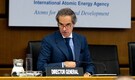
In a post on X on Thursday, Grossi highlighted India's push to expand nuclear energy to deliver clean, reliable power. India is moving ahead with ambitious plans to expand nuclear energy as a way to deliver clean, reliable power for its growing needs.
-

Standoff with Iran over inspections cannot go on forever, IAEA chief says
The International Atomic Energy Agency has inspected all 13 declared nuclear facilities in Iran that were not bombed, but has been unable to inspect any of the three key sites that were bombed in June - Natanz, Fordow or Isfahan - Grossi told Reuters in an interview at the World Economic Forum in Davos.
-
IAEA delegation visiting Iran within 2-3 weeks will not have access to nuclear sites: Iranian official
Iran's Foreign Minister Abbas Araghchi had said that the country has no plans to abandon its nuclear program, including uranium enrichment, despite "severe" damage to its facilities after US strikes last month.
-
Iran Suspends IAEA Cooperation, Moves to Restart Nuclear Program After U.S.-Israel Strikes | N18G
Iran has officially suspended cooperation with the International Atomic Energy Agency (IAEA), blocking inspections and surveillance. The decision comes just weeks after U.S. and Israeli strikes on Iranian nuclear sites.
In this video, Shivani Singh explains what the move means, how Iran plans to proceed with its nuclear programme, and what IAEA chief Rafael Grossi had to say about the risks.
We also look at statements from Iranian leaders and why this marks a serious shift in global nuclear oversight.
-
IAEA Chief Rafael Grossi's stunning u-turn: No, we didn't say Iran is close to manufacturing nuclear weapon | WATCH
While he spoke about how Iran was the only country in the world that was enriching 60 percent uranium, Grossi refuted the claims that the IAEA ever said that Tehran was manufacturing the atomic bomb
-
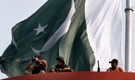
Nuclear radiation in Pakistan's Kirana Hills after IAF strikes? International Atomic Energy Agency debunks leak rumours
Kirana Hills is a strategic location where Pakistan supposedly houses its nuclear facilities.
-
IAEA chief calls Iran–US nuclear talks 'crucial' as Saudi defence minister makes historic Tehran visit
IAEA chief Grossi calls Iran-US nuclear talks crucial, while Saudi defense minister visits Tehran, marking a significant diplomatic shift.
-
IAEA chief backs India’s NSG bid, highlights growing nuclear role
He emphasized the importance of a skilled workforce to sustain the growth of nuclear energy, particularly in Asia, stating, "India is an important nuclear country, and the IAEA partnering with the DAE at GCNEP will help train the next generation of workers."
-
IAEA mission arrives at nuclear plant in Ukraine through Russia
Russian troops seized the Zaporizhzhia plant, Europe's largest with six reactors, in the first weeks of their February 2022 full-scale invasion of Ukraine. It produces no electricity at the moment.
-
UN Calls For Timely Action To Restore 2015 Iran Nuclear Deal As Tensions Rise | N18G
A top U.N. official, Rosemary DiCarlo, called on world powers and Iran to urgently restore the 2015 Joint Comprehensive Plan of Action (JCPOA), which lifted sanctions on Iran in return for restrictions on its nuclear program. The U.S. withdrew from the deal in 2018 under President Donald Trump, prompting Iran to gradually reduce its commitments. European and Iranian diplomats met recently to explore ways to ease tensions, especially regarding Iran's nuclear activities, before Trump's potential return to the White House. DiCarlo emphasized the importance of timely action, as the Security Council had enshrined the deal in a 2015 resolution. Britain, France, and Germany warned they could trigger the "snap back" of international sanctions on Iran if necessary to prevent nuclear weapon development. However, this option expires on October 18 next year. The IAEA reported that Iran has been rapidly accelerating uranium enrichment to levels close to weapons-grade purity.
-
Operation Shadabad: How Israeli spies infiltrated, sabotaged Iran's top secret nuclear facility
The Shadabad workshop was identified as a "covert" facility that had not been disclosed to the IAEA, located in southwestern Tehran.
-
Second North Korean nuclear reactor appears to be operational, IAEA says
The IAEA has not had access to North Korea since Pyongyang expelled its inspectors in 2009. The agency now observes the country mainly using satellite imagery. Without access, the IAEA cannot confirm the reactor's operational status, Grossi said.
-
UN nuclear watchdog slams Iran for barring inspectors from monitoring its program
The strongly worded statement came amid longstanding tensions between Iran and the International Atomic Energy Agency, which is tasked with monitoring a nuclear program that Western nations have long suspected is aimed at eventually developing a nuclear weapon.
-
Climate change is launching a mutant seed space race
-
IAEA finds uranium enriched to 84% in Iran, near bomb-grade: Diplomats
Iran has been enriching uranium to up to 60% purity since April 2021. Three months ago, it started enriching to 60% at a second site, Fordow, which is dug into a mountain. Weapons grade is around 90%.
-
UN nuclear agency starts probe of Russian dirty bomb claim
International Atomic Energy Agency Chief Rafael Grossi said in a statement that inspections had begun at two locations in Ukraine and would soon be completed. The inspections had been requested by Kyiv in the wake of the Russian allegations.
-
Iran racing to expand enrichment at underground plant, IAEA report shows
While indirect talks between Iran and the United States on reviving the 2015 Iran nuclear deal have stalled, Tehran has brought onstream an ever larger number of advanced centrifuges the deal bans it from using to produce enriched uranium.
-
Ready for Zaporizhzhia nuclear plant talks in Russia, Ukraine this week: IAEA chief Rafael Grossi
"There is a plan on the table to do it. Last week I had an opportunity to start consultations with Ukraine and with the Russian Federation ... and I am ready to continue these consultations in both countries this week," Grossi told a meeting of International Atomic Energy Agency member states.
-
Russia backs IAEA call for immediate cessation of shelling at Ukraine’s Zaporizhzhya Nuclear Power Plant
Since the early days of the conflict, the plant has been controlled by Russian troops but operated by Ukrainian staff.
-
Iran demands closure of IAEA probes for sustainable nuclear deal
"An end to the agency's probes is part of the guarantees that we are seeking to have a sustainable and durable nuclear agreement," Iranian foreign ministry spokesperson Nasser Kanaani told a televised news conference.
-
Zaporizhzhia nuclear plant loses power line - IAEA
The U.N. nuclear watchdog's experts now stationed at the plant were told by Ukrainian staff that the site's fourth operational 750 Kilovolt power line was down after three others were lost earlier.
-
Safety of IAEA mission to Zaporizhzhia nuclear plant will be ensured: Russian-installed official
The IAEA, the United Nations nuclear watchdog, said its inspectors will visit the plant this week. The facility has been occupied by Russian forces since the first days of the war in Ukraine, but is still managed by Ukrainian staff and connected to Ukraine's power grid.
-
Iran will keep IAEA cameras turned off until nuclear deal is restored
"Those cameras are related to the nuclear deal. If Westerners return to this pact and we are certain they will not commit any mischief, we will make a decision on these cameras," Mohammad Eslami said.
-
IAEA says it has lost contact with Chernobyl nuclear data systems
International Atomic Energy Agency chief Rafael Grossi "indicated that remote data transmission from safeguards monitoring systems installed at the Chornobyl NPP had been lost", the agency said in a statement.
-
US to Iran: Grant inspectors access to workshop or face action at IAEA
'We call on Iran to provide the IAEA with needed access without further delay,' a U.S. statement to a meeting of the International Atomic Energy Agency's board said.