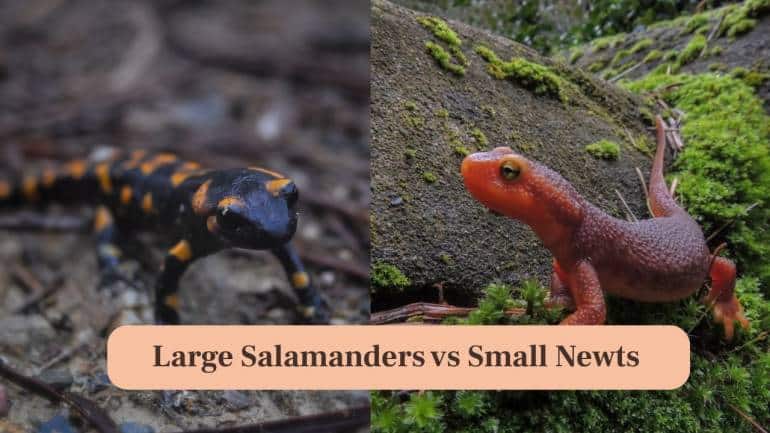
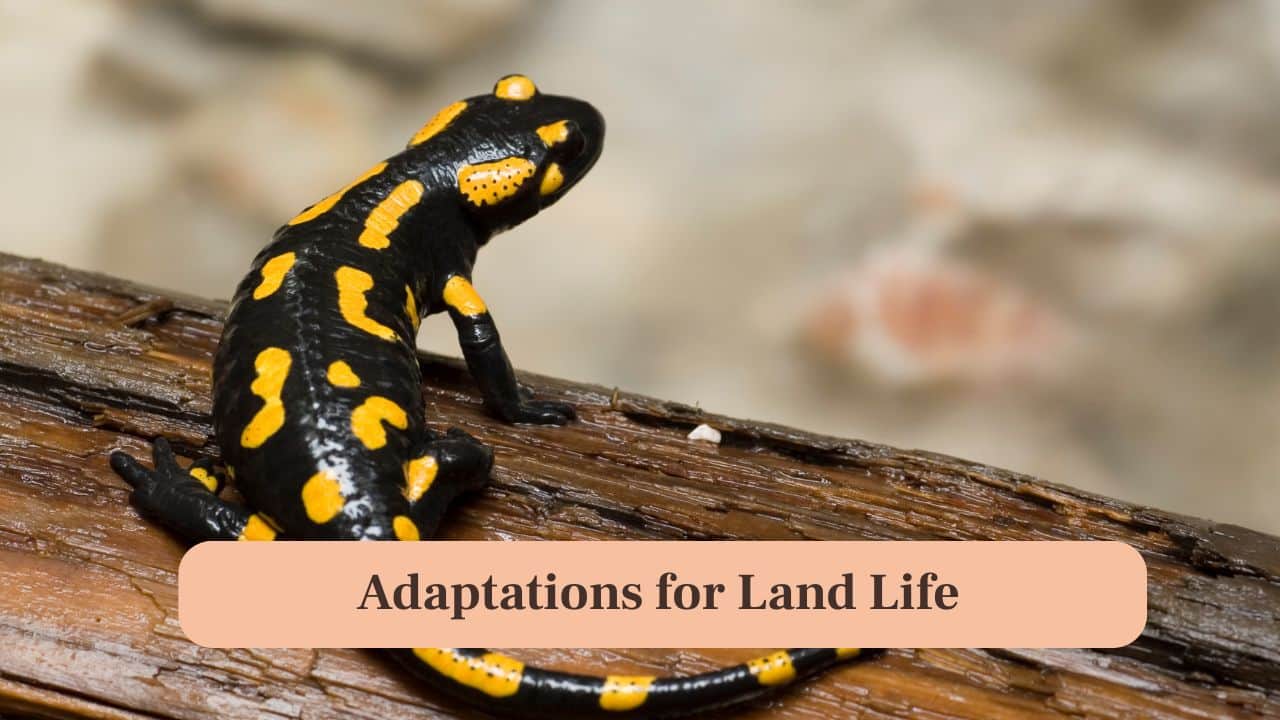
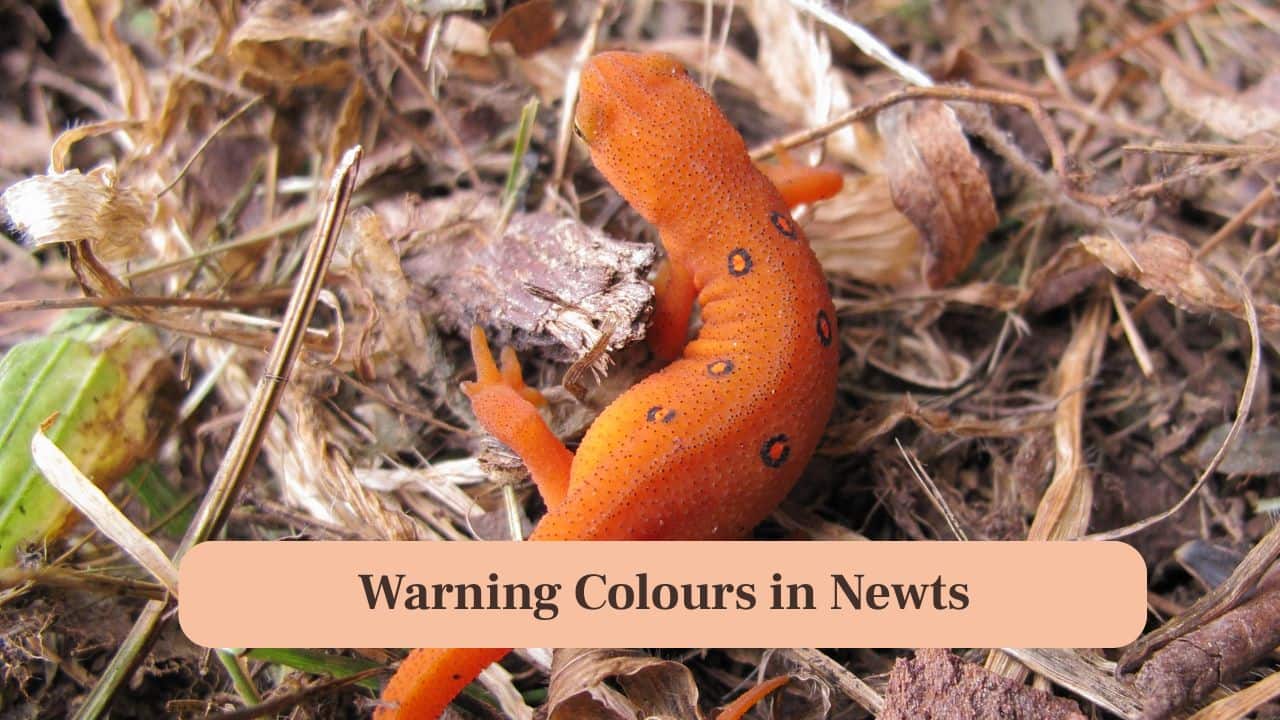
1. Newts and Salamanders: Both newts and salamanders are long-tailed amphibians, but they have different lifecycles, skin textures and habitats worldwide. (Image: Canva) 2. Rough vs Smooth Skin: Many newts have bumpy, rough skin, while most salamanders feature smooth, moist skin ideal for land and aquatic living. (Image: Canva) 3. Large Salamanders vs Small Newts: Salamanders’ smooth skin helps them retain moisture, while newts’ skin may appear warty or rough for semi-aquatic survival. (Image: Canva) 4. Net Eft Stage: Some newts undergo a bright-colored terrestrial juvenile stage called an “eft” before returning to an aquatic adult phase. (Image: Canva) 5. Lifecycle Overview: Newts begin as aquatic larvae, then live on land before returning to water, while salamanders skip the eft stage entirely. (Image: Canva) 6. Adaptations for Water Life: Many newts have webbed feet and paddle-like tails, providing excellent swimming ability in ponds, streams and shallow water environments. (Image: Canva) 7. Adaptations for Land Life: Salamanders possess rounder tails and distinct toes, which help them navigate damp forest floors and terrestrial habitats efficiently. (Image: Canva) 8. Warning Colours in Newts: Brightly colored newts often signal toxicity to predators, using striking hues to warn and deter potential threats in their habitat. (Image: Canva) 9. Camouflage in Salamander: Many salamanders display muted or dull colors, blending into leaf litter and forest floors to evade predators successfully. (Image: Canva) 10. Ecological Importance: Newts and salamanders play vital ecological roles, controlling insect populations and supporting aquatic-terrestrial food chains. (Image: Canva)