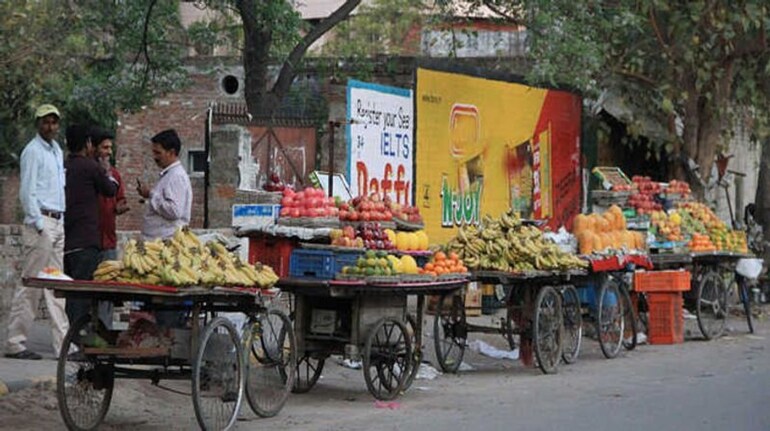

Prime Minister Narendra Modi on January 23, 2026, flagged off four new train services for Kerala from Thiruvananthapuram and simultaneously pushed forward a major urban livelihood initiative by launching the PM SVANidhi Credit Card.
While the rail announcements focused on connectivity, the credit card marked the next stage of financial inclusion for street vendors across the country.
The launch comes as part of the restructured Prime Minister Street Vendor’s Atma Nirbhar Nidhi (PM SVANidhi) scheme, which was originally rolled out in June 2020 to help vendors restart businesses affected by the COVID-19 pandemic, according to a PIB release.
As noted in the statement, it claims to have given vendors “a sense of identity and formal recognition for their contribution to the economy.”
Street vendors play a crucial role in urban life, supplying affordable goods and services close to residential areas. However, many remain outside formal systems due to “lack of recognition, limited access to formal credit, low levels of education and skills,” and weak links to welfare programmes, it said. The SVANidhi framework seeks to address these gaps through structured credit and digital access.
In August 2025, the Union Cabinet approved the restructuring and extension of the scheme. The lending period was extended till March 31, 2030, with an overall outlay of Rs 7,332 crore. The revised version aims to benefit 1.15 crore vendors, including 50 lakh new beneficiaries.
During the Kerala event, the Prime Minister also disbursed SVANidhi loans to one lakh beneficiaries, including street vendors from the State.
What is the SVANidhi Credit Card?
The SVANidhi Credit Card is a UPI-linked RuPay credit card introduced under the restructured scheme. It is designed as an interest-free, revolving credit facility to help vendors manage day-to-day liquidity needs while encouraging digital payments.
According to PIB, “The introduction of UPI-linked RUPAY Credit Card would provide immediate access to credit to the street vendors in order to meet any emergent business and personal requirements.” The card is available to beneficiaries who have repaid their second tranche loan on time.
The revised loan structure allows borrowing of up to Rs 15,000 in the first tranche, Rs 25,000 in the second, and Rs 50,000 in the third. To promote digital adoption, the scheme offers cashback incentives, including “Cashback upto Rs 1,200 on regular sales with maximum Rs 100 per month.”
Beyond credit, the scheme links vendors to welfare initiatives, financial literacy, and skill development. Implementation is jointly handled by the Ministry of Housing and Urban Affairs and the Department of Financial Services, with support from states, banks, and urban local bodies, the release said.

Discover the latest Business News, Sensex, and Nifty updates. Obtain Personal Finance insights, tax queries, and expert opinions on Moneycontrol or download the Moneycontrol App to stay updated!
Find the best of Al News in one place, specially curated for you every weekend.
Stay on top of the latest tech trends and biggest startup news.