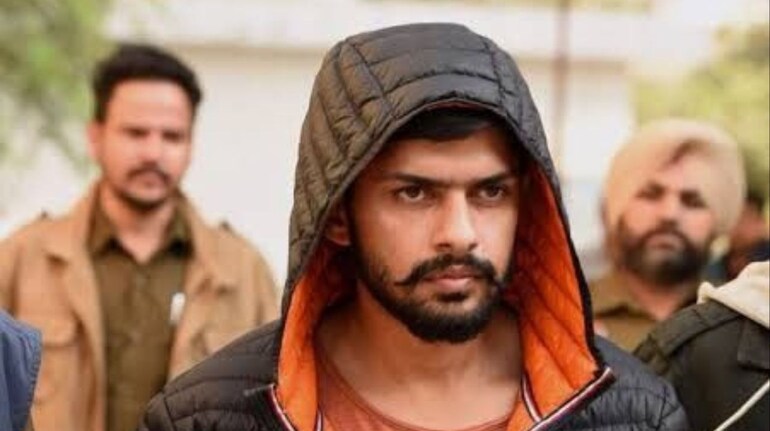

A spate of firing incidents in Mumbai over the past two years allegedly linked to the Lawrence Bishnoi gang, including the recent one outside filmmaker Rohit Shetty's house in Juhu, has once again stirred memories of the city’s underworld era.
According to Indian Express, police, however, caution that parallels with the organised crime networks of the 1990s are limited.
Investigators told IE the Bishnoi gang operates through a far more fragmented and anonymous structure than earlier outfits. Unlike the 1990s gangs that relied on known shooters, traceable overseas phone numbers, and public claims of responsibility, the current model is built around VoIP-based calls, disposable shooters with no prior criminal records, and transient social media messages that leave minimal digital evidence.
This deniable, decentralised approach—combined with fear among potential targets and the lack of formal police complaints—has made it challenging for investigators to gauge the scale of the gang’s operations or fully map its network.
According to officers, due to the absence of formal complaints, there is little clarity on the extent of extortion attempts, if any being carried out by the gang.
In a threat message posted online after the fire outside Shetty’s residence, the gang claimed that it had been making calls to Bollywood. However, the police say no complaints have been received. This indicated that these activities largely remain outside the police radar.
“The biggest change that has taken place as compared to the past is that earlier we knew the international numbers that gangsters used which we could track. We could know whom they are calling and threatening even when celebrities did not come forward. Hence, we could approach the celebrities informally and give them the confidence to come forward and give a complaint which worked on most occasions,” the officer told IE.
According to the officer, with VoIP calls being used, unless there are some technical details regarding the devices used, the police cannot keep track.
“Even in the Rohit Shetty case, while the social media post indicates some kind of communication, he has told us that he has not received any such calls. Even if such calls were made, people may not be coming forward out of fear. And since in many cases these do not come in our radar we cannot reach out and assure people to give complaints. This has become a major challenge in keeping track of the gang’s activities,” the officer said.
New shooters
According to investigators, new shooters are being used for each operation rather than known gang members.
Earlier gangs relied on identified sharpshooters such as Firoz Kokani of the Dawood gang or Umed Ur Rehman of the Rajan gang and police maintained detailed dossiers on their networks.
In the Salman Khan case, the accused were from north Indian states and were described by police as “fans” of the Bishnoi gang. In the Baba Siddique killing, the gang operated through the network of Shubham Lonkar, drawing on contacts in north India. In the most recent case, those involved were from Pune and were allegedly arranged by Lonkar through his local network.
“These are young men with no prior criminal records. They come from poor backgrounds and are drawn to these gangs—particularly the Bishnoi gang—largely through social media. Many even reach out to the gang online, expressing a desire to work for them,” the officer said.
According to the police, earlier gang members were known with past criminal records and easily identifiable.
“In the Baba Siddique shootout, the gang initially approached experienced shooters for carrying out the killing. The shooters, however, asked for Rs 1.5 crore from the Bishnoi gang. They refused and eventually the Bishnoi gang got the shootout done from amateurs and paid Rs 1.5 lakh for it,” a senior officer told IE.
Police say even the way gangs claim responsibility has changed.
“In today’s time, while they do claim credit, they ensure they can have deniability in the future. The Bishnoi gang puts up a post on a social media platform, takes a screenshot of it and then deletes the post. The screenshot is then circulated. This ensures that the URL of the link cannot be traced. In the future the screenshot will hardly have any evidentiary value with high deniability,” the officer said.
Discover the latest Business News, Sensex, and Nifty updates. Obtain Personal Finance insights, tax queries, and expert opinions on Moneycontrol or download the Moneycontrol App to stay updated!
Find the best of Al News in one place, specially curated for you every weekend.
Stay on top of the latest tech trends and biggest startup news.