






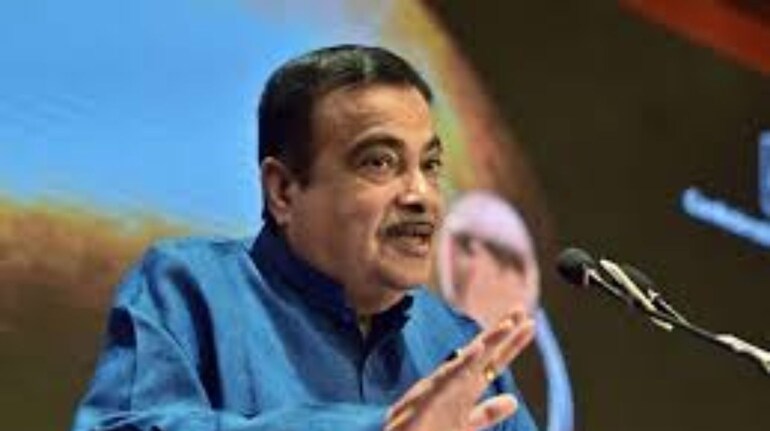

The government plans to roll out vehicle-to-vehicle (V2V) communication technology across India by the end of 2026, a move aimed at reducing road accidents, particularly rear-end collisions, fog-related pile-ups and crashes involving stationary vehicles, Union minister Nitin Gadkari said on Thursday.
The system will allow vehicles to communicate directly with each other without using mobile networks, enabling real-time alerts to drivers when another vehicle comes dangerously close, Gadkari said after a meeting of state transport ministers, according to PTI.
How the technology works
The V2V system will use an On Board Unit (OBU) installed in vehicles to exchange wireless data such as speed, location, acceleration and braking.
“If a car brakes suddenly, nearby vehicles will receive alerts and slow down before the driver can visually register it,” Gadkari said, adding that the technology is particularly useful in low-visibility conditions like dense fog.
Officials estimate the system can help reduce crashes by up to 80% by detecting vehicles in blind spots.
Costs, standards and spectrum
The OBU is expected to cost between Rs 5,000 and Rs 7,000 per vehicle. Road Transport Secretary V. Umashankar said standards are being finalised in consultation with vehicle manufacturers and a notification will be issued once the process is complete.
Initially, the technology will be mandatory for new vehicles, with retrofitting planned for existing vehicles in later phases.
The Department of Telecommunications has agreed in principle to allocate 30 MHz of spectrum (5.875–5.905 GHz) for V2V communication, which manufacturers can use free of charge under the national frequency allocation plan, PTI reported.
The overall project cost is estimated at around Rs 5,000 crore.
India records among the highest number of road accident deaths globally, with fog-related pile-ups and collisions with parked vehicles a recurring winter hazard on highways. Unlike sensor-based driver assistance systems used in some premium vehicles, the V2V system works through direct communication between vehicles, allowing warnings even when hazards are not visible.
Officials said the technology is currently deployed in only a handful of countries, placing India among early adopters once rolled out at scale.
Linked road safety measures
Gadkari also said the government will soon formally launch a nationwide cashless treatment scheme for road accident victims, covering treatment costs up to Rs 1.5 lakh for a maximum of seven days from the date of accident.
The scheme, currently running as a pilot in six states, has processed 6,833 treatment requests so far, with Rs 73,88,848 disbursed from the Motor Vehicle Accident Fund, Gadkari told Parliament in December, according to PTI.
The minister added that the government is examining linking insurance premiums and even driving licence validity to repeated traffic violations, alongside reforms to bus body design and amendments to the Motor Vehicles Act to strengthen road safety and regulatory certainty.
Discover the latest Business News, Sensex, and Nifty updates. Obtain Personal Finance insights, tax queries, and expert opinions on Moneycontrol or download the Moneycontrol App to stay updated!
Find the best of Al News in one place, specially curated for you every weekend.
Stay on top of the latest tech trends and biggest startup news.





