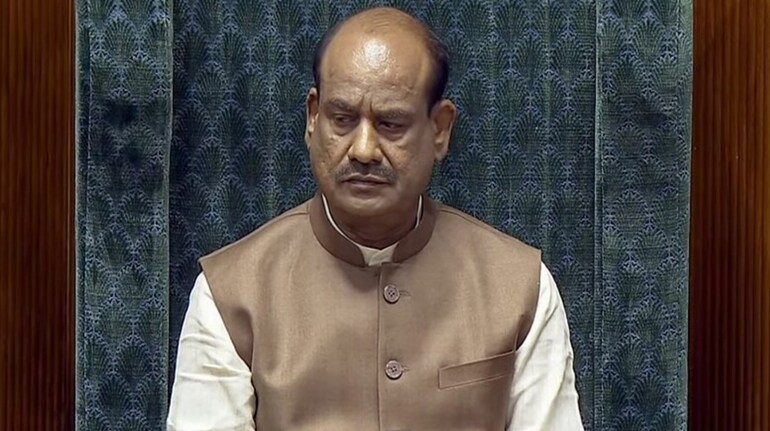

The Congress on Tuesday moved a no-confidence notice against Lok Sabha Speaker Om Birla, accusing him of “blatantly partisan conduct” during the ongoing Budget Session.
The notice carries signatures of around 120 opposition MPs and alleges repeated denial of speaking opportunities to the Leader of Opposition, Rahul Gandhi, suspension of MPs, and inaction against BJP members over controversial remarks.
The move, while rare, is largely seen as symbolic given the numbers in the House. Here’s what it means and why it matters.
Why did the opposition move the notice?
The opposition claims the Speaker curtailed debate and prevented Rahul Gandhi from raising issues, including references to former Army chief MM Naravane’s unpublished memoir during the Motion of Thanks discussion. Congress leaders also objected to the suspension of eight opposition MPs and alleged bias in handling disruptions and complaints raised by women MPs.
Congress MP Manickam Tagore called the step “extraordinary but necessary,” saying the opposition still holds “personal regard” for the Speaker but felt compelled due to repeated denial of space in Parliament.
What is Article 94(c)?
Article 94(c) of the Constitution allows the Lok Sabha to remove the Speaker through a resolution passed by a majority of all the then members of the House. At least 14 days’ written notice is mandatory before such a motion can be taken up.
How does the process work?
Any MP can submit a written notice with the text of the resolution to the Lok Sabha Secretary-General.
The resolution must be specific, factual and free from defamatory or vague allegations to be considered admissible.
Does the opposition have the numbers?
Unlikely. The BJP-led NDA holds about 293 seats in the 543-member House, while the INDIA bloc has around 238. Removal of the Speaker requires an effective majority of the House’s current strength, making success difficult without cross-party support.
Has this happened before?
Such motions are rare and often used to register protest rather than actually unseat the Speaker. Similar attempts have been made in the past, including motions against Speakers GV Mavalankar in 1954, Sardar Hukum Singh in 1966, and Balram Jakhar in 1987. In 2024, opposition MPs also moved a notice against Rajya Sabha Chairman Jagdeep Dhankhar, which was later dismissed.
What happens next?
Even with over 100 signatures, the fate of the motion depends on whether it is admitted and scheduled for discussion. If taken up, it would allow the opposition to formally place its allegations on record, even if the numbers make removal improbable.
Discover the latest Business News, Sensex, and Nifty updates. Obtain Personal Finance insights, tax queries, and expert opinions on Moneycontrol or download the Moneycontrol App to stay updated!
Find the best of Al News in one place, specially curated for you every weekend.
Stay on top of the latest tech trends and biggest startup news.