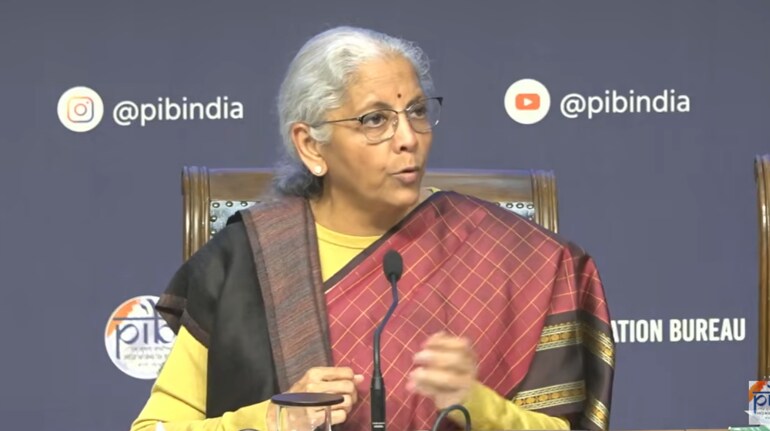

The healthcare announcements in the Union Budget 2026–27, presented by Nirmala Sitharaman, have triggered a broad spectrum of reactions from clinicians, hospital leaders, industry bodies, and policy experts. While most stakeholders have welcomed the emphasis on affordability, domestic biopharma capacity, and mental health infrastructure, several have cautioned that the real test will lie in execution, regulatory alignment, and sustained funding.
Cancer drug duty exemption: Relief with real-world impact
The exemption of basic customs duty on 17 cancer drugs and the addition of seven rare diseases to the list eligible for duty-free personal imports have been widely described as a patient-first reform.
“This announcement brings much-needed relief to cancer patients and their families, particularly those undergoing treatment for rare and advanced cancers where access to specialised medicines is often limited by high costs,” said Dr Mandeep Singh Malhotra, Director, Surgical Oncology at the CK Birla Hospital, Delhi.
He added that by “improving affordability and easing access to life-saving therapies that are not manufactured domestically, this move can help ensure timely treatment and better clinical outcomes.”
Dr Amit Rauthan, HOD and Consultant, Medical Oncology, Immunotherapy, and Precision Medicine at Manipal Hospital, Old Airport Road, Bangalore, underlined the clinical significance. “Cancer care today has become very complex and involves the use of many new therapeutic drugs, including chemotherapy, immunotherapy, targeted therapy, and antibody drug conjugates… The hope is that newer treatments, particularly immunotherapy, targeted therapies, and antibody drug conjugates, will become more affordable," he said.
Dileep Mangsuli, Chairman, Cancer Treatment Services International (CTSI), called the exemption “a timely and compassionate step towards reducing the financial burden of cancer treatment,” noting that more affordable imported therapies can “significantly improve access to timely, quality care.”
Yet, some experts stress that duty waivers alone cannot solve access challenges. They point to the need for parallel efforts in domestic manufacturing, faster approvals, and stronger supply chains.
Biopharma Shakti: Big promise, big expectations
The proposed Biopharma Shakti programme, with an outlay of Rs 10,000 crore over five years, is seen as a structural intervention for India’s biopharma ecosystem.
“The Finance Minister’s proposal of Biopharma Shakti… is a major step toward strengthening India’s biopharma ecosystem,” said Dr Manisha Arora, Director, Internal Medicine, CK Birla Hospital, Delhi.
She highlighted its potential to expand biosimilars and reduce costs of complex biologics such as insulin and monoclonal antibodies.
Uday Deshmukh, Chairman and Founder CEO of Onco-Life Cancer Centre, echoed this view, saying the initiative could “significantly strengthen domestic biopharmaceutical research, innovation, and manufacturing -- making advanced cancer therapies more accessible and affordable.”
However, Dr Puneet Khanduja, Lead, Health and Nutrition, MicroSave Consulting (MSC), struck a note of caution. “Such announcements create a strong platform for systemic reforms. However, their impact will depend on effective state-level implementation, regulatory alignment, and integrated models that translate policy intent into actionable institutional expansion," he pointed out.
Mental health infrastructure: Long-awaited focus
The proposal to establish a second National Institute of Mental Health and Neurosciences in North India, alongside upgrading institutions in Ranchi and Tezpur, has been described as overdue.
“One of the most encouraging announcements is the proposal to establish NIMHANS-2 in North India,” said Dr Saurabh Mehrotra, Director, Neurosciences, Medanta, Gurugram, referring to the National Institute of Mental Health and Neurosciences as “the country’s premier institution for mental health and neurosciences.”
Neha Kirpal, Founding Cohort Member, India Mental Health Alliance (IMHA), said, “The Budget’s focus on building capacity for mental healthcare across the country is a much-awaited step,” but stressed that India still faces “the severe gap between growing patient need and accessing trained clinical capacity.”
Workforce, geriatric care, and emergency services
Rajit Mehta, Chairperson, Association for Senior Living India, welcomed the plan to create a 1.5-lakh-strong geriatric caregiver workforce and the 50 per cent expansion of emergency and trauma care capacity at district hospitals, calling these moves “particularly relevant for seniors navigating complex care journeys.”
Dr Devi Prasad Shetty, Founder and Chairman, Narayana Health, highlighted the broader sentiment: “Healthcare has received thoughtful and well-directed attention in this year’s Budget… Taken together, these measures reflect a coherent and forward-looking approach to strengthening India’s healthcare ecosystem.”
Experts see the Budget’s health proposals as directionally strong and largely compassionate. The critical question now is whether ambitious allocations -- Rs 10,000 crore for Biopharma Shakti, expanded trauma care, and new mental health institutes translate into timely, high-quality, and equitable services on the ground.

Discover the latest Business News, Sensex, and Nifty updates. Obtain Personal Finance insights, tax queries, and expert opinions on Moneycontrol or download the Moneycontrol App to stay updated!
Find the best of Al News in one place, specially curated for you every weekend.
Stay on top of the latest tech trends and biggest startup news.