Moneycontrol PRO
HomeNewsIndiaCOVID-19 | Centre launches 'Project O2' for oxygen supply – All you need to know

COVID-19 | Centre launches 'Project O2' for oxygen supply – All you need to know

Project O2 will enable stakeholders working to augment India’s ability to meet rise in demand of medical oxygen, as per a statement from the Office of Principal Scientific Advisor to the GoI

June 14, 2021 / 15:26 IST
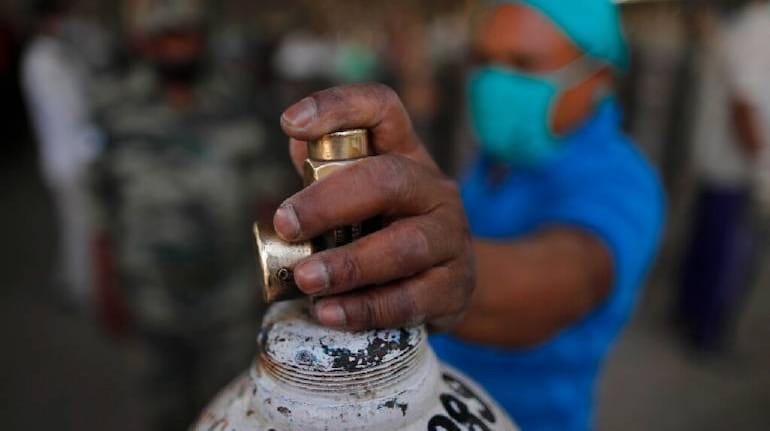
‘Project O2’ has been launched to meet current demand of medical grade oxygen in the country, and ensure manufacture of adequate supply for the future (Representative Image)

The Office of Principal Scientific Advisor to the Government of India (GoI) has launched ‘Project O2’ to meet demand of medical grade oxygen in the country, and ensure manufacture of adequate supply for the future, as per an official statement issued on June 13.

Project O2 will enable stakeholders working to augment India’s ability to meet rise in demand of medical oxygen, it said, noting that the second coronavirus wave led to increased demand in various parts of the country.

Follow our LIVE blog on the COVID-19 pandemic here

Here’s all you need to know about what Project O2 entails:

- A National Consortium of Oxygen will be constituted under Project O2 to enable “national level” supply of critical raw materials like zeolites; setting up of small oxygen plants; and manufacturing of compressors and final products such as oxygen concentrators, oxygen plants and ventilators.

- The consortium will not only provide immediate to short-term relief, but also work to strengthen the manufacturing ecosystem for long-term preparedness.

COVID-19 Vaccine

Frequently Asked Questions

View more
How does a vaccine work?

A vaccine works by mimicking a natural infection. A vaccine not only induces immune response to protect people from any future COVID-19 infection, but also helps quickly build herd immunity to put an end to the pandemic. Herd immunity occurs when a sufficient percentage of a population becomes immune to a disease, making the spread of disease from person to person unlikely. The good news is that SARS-CoV-2 virus has been fairly stable, which increases the viability of a vaccine.

How many types of vaccines are there?

There are broadly four types of vaccine — one, a vaccine based on the whole virus (this could be either inactivated, or an attenuated [weakened] virus vaccine); two, a non-replicating viral vector vaccine that uses a benign virus as vector that carries the antigen of SARS-CoV; three, nucleic-acid vaccines that have genetic material like DNA and RNA of antigens like spike protein given to a person, helping human cells decode genetic material and produce the vaccine; and four, protein subunit vaccine wherein the recombinant proteins of SARS-COV-2 along with an adjuvant (booster) is given as a vaccine.

What does it take to develop a vaccine of this kind?

Vaccine development is a long, complex process. Unlike drugs that are given to people with a diseased, vaccines are given to healthy people and also vulnerable sections such as children, pregnant women and the elderly. So rigorous tests are compulsory. History says that the fastest time it took to develop a vaccine is five years, but it usually takes double or sometimes triple that time.

View more
Show

- A committee of experts is evaluating critical equipment such as oxygen concentrators, oxygen plants and ventilators from a pool of India-based manufacturers, start-ups and medium and small enterprises (MSMEs) in partnership with industry bodies such as FICCI and MESA, etc.

- The consortium has also already begun securing philanthropic grants and corporate social responsibility (CSR) funds from organisations such as the Climate Works Foundation, Edwards Life sciences Foundation and USAID.

- Oxygen concentrators and VPSA/PSA plants as part of CSR efforts under the consortium are being procured by the American Indian Foundation, BNP Paribas, eInfoChips, Hope Foundation, Hitachi and Walmart.

- Meanwhile, the National Mineral Development Corporation (NMDCL) has agreed to fund the procurement of raw materials such as zeolite for the manufacturers in the consortium.

- The manufacturers’ consortium includes representation from Bharat Electronics (BEL), C-CAMP (Bengaluru), IISER (Bhopal), IIT-Bombay, IIT-Delhi, IIT-Hyderabad, IIT-Kanpur, Tata Consulting Engineers (TCE), Venture Centre (Pune) and 40 more MSMEs.

For full coverage on the coronavirus pandemic click here

Jocelyn Fernandes
first published: Jun 14, 2021 03:26 pm

Discover the latest Business News, Sensex, and Nifty updates. Obtain Personal Finance insights, tax queries, and expert opinions on Moneycontrol or download the Moneycontrol App to stay updated!

Subscribe to Tech Newsletters

  • On Saturdays

    Find the best of Al News in one place, specially curated for you every weekend.

  • Daily-Weekdays

    Stay on top of the latest tech trends and biggest startup news.

Advisory Alert: It has come to our attention that certain individuals are representing themselves as affiliates of Moneycontrol and soliciting funds on the false promise of assured returns on their investments. We wish to reiterate that Moneycontrol does not solicit funds from investors and neither does it promise any assured returns. In case you are approached by anyone making such claims, please write to us at grievanceofficer@nw18.com or call on 02268882347