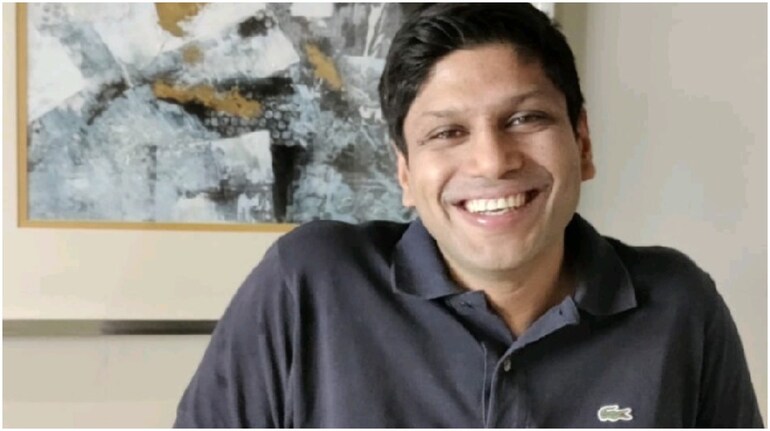
Peyush Bansal, co-founder and chief executive officer of Lenskart, has chosen to be tagged as a Promoter of the eyewear startup, a move not common with new-age company founders.
In fact, Bansal has increased his stake from 5.7 percent in 2021 to 10.28 percent just days before the company filed its draft red herring prospectus (DRHP) to ensure that he was tagged and classified as a Promoter of Lenskart ahead of the initial public offering (IPO) later this year.
An individual can be tagged as a Promoter if their ownership in the company goes over 10 percent, as per regulations.
While in the past years, Bansal had received Lenskart shares after successful fundraises, his move earlier this month was not very common.
On July 9, Moneycontrol was first to report that Bansal is looking to borrow around Rs 200 crore and would use the proceeds to increase his ownership by 2-2.5 percent, and go beyond that 10 percent threshold.
As part of the move, Lenskart investors, including SoftBank, Kedaara, Premji Invest, Temasek, Chiratae Ventures and several others, sold their shares in the company to Bansal at a valuation of $1 billion. That represents a sharp discount of around 80-90 percent as Lenskart aims to list at a valuation of $9-10 billion.
Bansal bought a total of 42.7 million shares at Rs 52 apiece, shelling out a total of Rs 222 crore, the company’s draft red herring prospectus (DRHP) showed on July 29.
Bansal’s move is different from what his peers, the founders of Swiggy, PB Fintech, Delhivery and others have done in the past. The founders of these companies were given additional shares from the Employee Stock Ownership Plan (ESOP) pool in the run up to their IPOs as they were not tagged as Promoters, to increase their stake.
Promoter perks
“A new-age company founder will opt to become a Promoter so they have better control. Once they become a Promoter, they know the board cannot fire them overnight or take a major decision without their involvement,” an industry watcher told Moneycontrol.
As Bansal was on track to be a Promoter, he had to buy shares from his investors to increase stake in the company.
“Current rules do not permit a Promoter to receive shares from the ESOP pool,” Shriram Subramanian, Founder and Managing Director, InGovern, a proxy advisory firm, said.
Subramanian however added that there are some downsides to being tagged as a Promoter.
“When Promoters sell shares, they will have to inform the exchanges and the board,” he said. Founders of new-age companies can make such decisions without much scrutiny.
While having more stake in the company means greater control over operations and more decision-making abilities “it does not necessarily mean that being a promoter means a founder will have more agility,” Subramanian added.
While Bansal has increased stake in the company, he is also selling around 2 crore shares as part of the offer for sale (OFS) component in the IPO.
The IPO will include a fresh issue of Rs 2,150 crore and an offer-for-sale (OFS) of 13.2 crore shares by investors and promoters.
On the promoter side, Peyush Bansal will sell 2 crore shares, while co-founders Neha Bansal, Amit Chaudhary, and Sumeet Kapahi will each offload between 28.7 lakh and 57.4 lakh shares.


Discover the latest Business News, Sensex, and Nifty updates. Obtain Personal Finance insights, tax queries, and expert opinions on Moneycontrol or download the Moneycontrol App to stay updated!
Find the best of Al News in one place, specially curated for you every weekend.
Stay on top of the latest tech trends and biggest startup news.