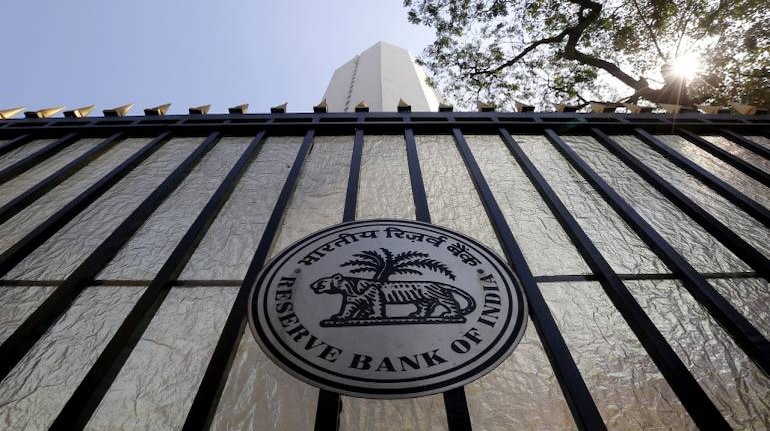
As the Finance Ministry and the Reserve Bank of India (RBI) try to mend fences, sources told The Financial Express that the central bank wrote a detailed letter and made a presentation to the government before tightening the Prompt Corrective Action (PCA) framework in April 2017.
The Finance Ministry had also indicated at the time that it was 'broadly in agreement' with the framework that RBI proposed.
In its recent rift with RBI, the government had demanded a relaxation in PCA norms for banks, so they can lend more. The Finance Ministry wrote to the central bank invoking Section 7 of the Banking Regulation Act (RBI), which states that directions can be issued to RBI.
The PCA action was initiated against 11 public sector banks, with their shares of advances and deposits as at March-end being 18.5 percent and 20.8 percent, respectively.
RBI Deputy Governor Viral Acharya, in his recent speech, said despite worse capitalisation and stressed assets ratio compared to other banks, PCA banks had credit growth that was as strong as that of other banks until 2014.
After these banks were placed under PCA, growth in their advances declined from over 10 percent in 2014 to below zero in 2016 and remained in the contraction zone. Acharya said, “This is indeed the required medicine to prevent further haemorrhaging of their balance sheets”.
The Centre has pumped in more than Rs 2.3 lakh crore in public sector banks since 2005, over 50 percent of which has gone into the banks that are currently under PCA. United Bank of India was the first bank for which PCA was initiated in 2014.
Discover the latest Business News, Sensex, and Nifty updates. Obtain Personal Finance insights, tax queries, and expert opinions on Moneycontrol or download the Moneycontrol App to stay updated!
Find the best of Al News in one place, specially curated for you every weekend.
Stay on top of the latest tech trends and biggest startup news.