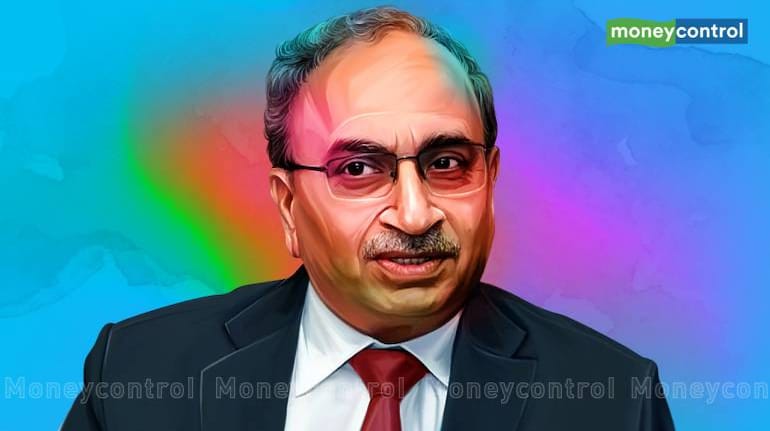
The central bank digital currency (CBDC) can be explored for settlements in primary G-Sec markets, said Dinesh Khara, Chairman, State Bank of India (SBI).
Addressing an event organized by the Indian Bankers Association (IBA) in Mumbai on July 11, Khara said that CBDC recorded a significant amount of transactions in two days of its launch and it can be used for other services and transactions.
"CBDC can be used for settlements in the primary G-Sec market," said Khara.
Khara also said that CBDC can also be used with salary accounts and to male business to government (B2G), personal to government (P2G) transactions.
According to the Reserve Bank of India (RBI), the current use case for the CBDC pilot is only for settlement of secondary market transactions in government securities.
Additionally, RBI Deputy Governor T. Rabi Sankar said that the central bank is targetting one million CBDC transactions everyday by the end of this year.
He further said this will help the central bank to study and understand the functioning of CBDC and its impact on the economy.
Use of CBDCCurrently, the use case for the pilot is for settlement of secondary market transactions in government securities.
"Use of e₹-W is expected to make the inter-bank market more efficient. Settlement in central bank money would reduce transaction costs by pre-empting the need for settlement guarantee infrastructure or for collateral to mitigate settlement risk," RBI said in a press release in October 2022.
The apex bank also said that going forward, other wholesale transactions, and cross-border payments will be the focus of future pilots, based on the learnings from the pilot.
Digital rupee pilotThe central bank on October 31, 2022 launched the first pilot of the digital rupee in the wholesale segment with nine banks.
The nine lenders were State Bank of India, Bank of Baroda, Union Bank of India, HDFC Bank, ICICI Bank, Kotak Mahindra Bank, Yes Bank, IDFC First Bank and HSBC.
A month later, the RBI kick-started the pilot for the retail version of the CBDC.
The retail digital rupee, or e₹-R, can be used by people for day-to-day transactions.
State Bank of India (SBI), ICICI Bank, Yes Bank, IDFC First Bank, BOB, Union Bank of India, HDFC Bank and Kotak Mahindra Bank are participating in the retail project.
These banks can invite select customers and merchants to try the services through their mobile applications. After this, these users can make peer-to-peer transactions and peer-to-merchant transactions.

Discover the latest Business News, Sensex, and Nifty updates. Obtain Personal Finance insights, tax queries, and expert opinions on Moneycontrol or download the Moneycontrol App to stay updated!
Find the best of Al News in one place, specially curated for you every weekend.
Stay on top of the latest tech trends and biggest startup news.