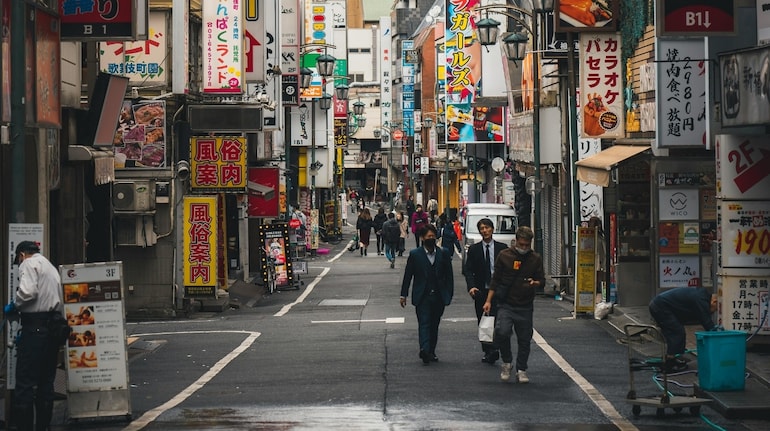

When in Japan you might look for trash cans on the streets and come up almost empty‑handed. In a country celebrated for spotless streets and tidy public areas, public dustbins are few, leaving many visitors wondering why. This is a deliberate aspect of Japanese society that speaks volumes about collective habits and values.
At first, the lack of bins can feel like a practical inconvenience. Nevertheless, behind this unusual urban feature lies a fascinating blend of cultural etiquette, historical choices and environmental mindfulness. Understanding why Japan embraces such a system gives travellers a richer picture of what makes the nation’s public spaces feel so serene and orderly.
From childhood, Japanese people learn that rubbish is something you manage yourself, not something to dump wherever convenient. Schools often include cleaning duties as part of the day, instilling a sense that keeping spaces pristine is everyone’s duty. As a result, residents routinely carry their trash with them until they return home or find an appropriate disposal point.
A lesser‑known chapter in Japan’s modern history also plays into the scarcity of public dustbins. After the 1995 Tokyo subway sarin gas attack, authorities removed many bins, especially in transit hubs, to reduce potential hiding spots for hazardous materials. Although more than two decades have passed, this cautious approach remains in place in many crowded public spots.
Japan also has one of the most detailed waste‑sorting systems in the world. Residents separate trash into categories like burnable, non‑burnable, plastics and PET bottles, with local rules varying by municipality. Installing general‑use bins in public could complicate this careful system, so when bins do exist they are often clearly labelled and limited in number.
While street‑corner bins are rare, they’re not entirely absent. Convenience stores, shopping malls and train stations usually provide disposal points, often categorised, for items bought on the premises. This encourages mindful disposal for both locals and visitors.
For travellers, adapting to this system can be a small extra thought during long days of exploring. Carrying a small foldable bag to hold wrappers, cups and bottles has become common practice, and many visitors find the habit actually reinforces appreciation for cleanliness.
Q1. Why are Japan’s streets so clean despite having few public trash cans?
Cleanliness in Japan is rooted in social responsibility. People are expected to take their trash home and dispose of it properly, reducing litter in public spaces.
Q2. Is cleanliness taught from a young age in Japan?
Yes. Children are taught to clean their classrooms, school toilets, and common areas, instilling respect for shared spaces from an early age.
Q3. Does Japan rely heavily on street cleaners?
No. While cleaning staff exist, the system depends more on citizens voluntarily maintaining cleanliness rather than relying solely on municipal workers.
Q4. How does waste segregation help keep streets clean?
Strict waste separation rules encourage mindful disposal and reduce illegal dumping, making people more conscious about waste generation.
Q5. Is cleanliness linked to Japanese culture and values?
Yes. Concepts like mottainai (avoiding waste) and respect for community spaces play a major role in maintaining clean surroundings.
Discover the latest Business News, Sensex, and Nifty updates. Obtain Personal Finance insights, tax queries, and expert opinions on Moneycontrol or download the Moneycontrol App to stay updated!
Find the best of Al News in one place, specially curated for you every weekend.
Stay on top of the latest tech trends and biggest startup news.