






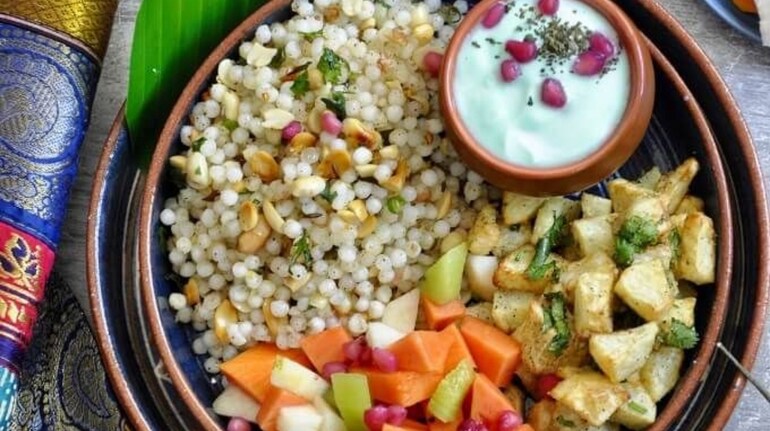

The occasion of Mahashivratri (literally meaning the great night of Shiva), is one of Hinduism’s most spiritually charged festivals. Unlike celebratory festivals marked by feasts and colour, Mahashivratri is quieter, inward-looking, and deeply symbolic. This year it is falling on 15 February and it is a night dedicated to pause, reflection, fasting, and prayers. According to scriptures, the festival is not about ritual perfection, but intention. It encourages devotees to reflect on right and wrong, detach from excess, and realign with inner values.
Mahashivratri is believed to be the night when Lord Shiva entered a state of cosmic stillness, making it ideal for meditation and spiritual discipline. In today’s fast-moving world, this sacred night offers a rare invitation to slow down. Families, youth, and elders gather in temples, attend night-long bhajans, and participate in community pujas. The holy fast is observed according to the belief and what feels safe and sustainable for the body.
Also Read: Karwa Chauth fasting tips: How to plan Sargi plate according to your dosha
Fasting on Mahashivratri is both a spiritual and physical practice. Yogic and Ayurvedic traditions explain that fasting calms the digestive fire, allowing energy to move upward – supporting meditation, clarity, and emotional balance. The focus is on sattvic living with simple food, mindful eating, and mental restraint.
Every year, Mahashivratri is observed as a day-long fast, beginning at sunrise and concluding the next morning after night-long worship. Devotees choose fasting styles based on health, belief, and family tradition.
There are various types of Shivratri fasting practices and there is no single rule, some of the common kinds of fasts are – Nirjal Vrat (No food or water), Phalahari Vrat (one can eat fruits, milk, and nuts) and Upvas with vrat foods like Sabudana, kuttu, singhara atta etc. Depending on the health condition and inclination, devotees choose the best option for themselves. Fasting food is light, nourishing, and easy to digest. Commonly allowed foods include:
Banana, apple, papaya, pomegranate, pear, watermelon, and coconut water help maintain hydration and energy during long fasting hours.
Milk, curd, buttermilk, paneer, homemade butter, and ghee are deeply associated with Lord Shiva and provide gentle nourishment.
Kuttu (buckwheat), singhara (water chestnut), and rajgira (amaranth) are traditionally permitted and used in rotis, dosas, and pancakes.
Sabudana, potatoes, sweet potatoes, makhana, nuts, pumpkin, and bottle gourd are commonly used for wholesome vrat meals.
Sabudana khichdi, made with soaked sago tempered in ghee, cumin, green chillies, and thin potato slices, is both comforting and filling. Sweet potatoes that are lightly cooked with sendha namak, cumin, peanuts, and green chillies, are excellent for gut balance. Grating and soaking them briefly before frying in ghee enhances both texture and digestibility. From an Ayurvedic lens, Mahashivratri fasting food should be easy to digest, support gut rest, reduce toxins (ama), and balance vata and pitta. This is why fruits, milk, and falahari meals are ideal choices.
Discover the latest Business News, Sensex, and Nifty updates. Obtain Personal Finance insights, tax queries, and expert opinions on Moneycontrol or download the Moneycontrol App to stay updated!
Find the best of Al News in one place, specially curated for you every weekend.
Stay on top of the latest tech trends and biggest startup news.





