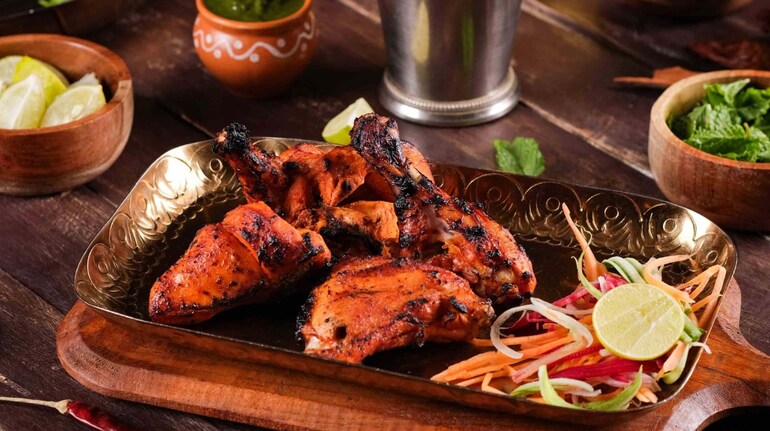

In a year dominated by speed, screens, and constant change, India’s food scene is quietly moving in the opposite direction. Across cities and dining tables, there’s a growing appetite for dishes that feel familiar, rooted, and reassuring. Slow-cooked Indian classics aren’t trending because they are new, but because they are remembered.
What’s interesting is how this nostalgia-led shift is being embraced by younger diners. Rather than distancing themselves from traditional Indian food, they’re leaning into it with curiosity and pride. The desire is not to reinvent the cuisine beyond recognition, but to experience authenticity in formats that suit modern dining habits.
Also Read: 6 popular Indian mithais that take their name from the cities they originated in
Comfort today isn’t about excess or indulgence alone but it’s about emotional recall. Guests want authenticity over theatrics, believes Amit Bagga, Co-founder and CEO of Daryaganj Hospitality. He says, “Indian cuisine has always respected time as an ingredient. When lentils are cooked overnight, when tomatoes are reduced patiently, when meat is braised until it yields naturally, flavour develops integrity. There are certain dishes that never fail with Indian food lovers because they are woven into collective memory. Dal Makhani remains the ultimate example of slow-cooked depth and comfort. Butter Chicken, a dish as old as 1947, continues to resonate because of its balance, richness and nostalgia. Nihari and other slow-braised curries represent heritage cooking at its finest.”
Younger diners are enthusiastic and experimental, but they are also culturally grounded. Chefs are responding by offering familiar dishes with subtle tweaks like varying spice levels, playing with texture, or balancing rich gravies with lighter accompaniments. These changes don’t alter the essence of the dish; they simply make it more approachable and versatile for today’s palate.
The return of nostalgia is deeply emotional. In hectic lifestyles marked by long work hours and constant stimulation, people are craving foods that remind them of home, family kitchens, and shared meals. Slow-cooked Indian dishes naturally fit this need because they are built on patience, time, and care. Anil Kumar, Co-Owner of Singh Sahib, highlights why these dishes continue to strike a chord. He says, “The traditional dishes, such as dal makhani, mutton korma, slow-cooked curries, and braised gravies, always touch a chord because they are also infused with layers of memories and flavours. While traditional dishes have managed to pass the test of time, they are not just delicious but also carry strong stories, rituals, and warmth. For example, traditional kebabs that are served with other light, tangy foods, traditional Indian curries with artisanal bread, or modified traditional Indian food served in a contemporary style.”
Also Read: Why chilli oil, chilli crisp and hot honey are dominating Gen Z kitchens
What makes nostalgia-driven food powerful is its eternalness. These dishes aren’t seasonal trends; they endure because they are honest and generous. When families dine together as children, parents, and grandparents, they find comfort in sharing the same table and the same flavours. Bagga adds, “When we speak of pairing tradition in ways that appeal to younger diners, it is about format and subtle flavour conversations. For instance, robust kebabs served in soft roomali rolls allow a timeless preparation to feel more relaxed and shareable. This is how we see evolution. The foundation remains rooted in legacy, recipes are respected and innovation is gentle and intentional.” In a world obsessed with the next big thing, food nostalgia is proving that sometimes the most powerful trend is simply remembering what already works.
Discover the latest Business News, Sensex, and Nifty updates. Obtain Personal Finance insights, tax queries, and expert opinions on Moneycontrol or download the Moneycontrol App to stay updated!
Find the best of Al News in one place, specially curated for you every weekend.
Stay on top of the latest tech trends and biggest startup news.