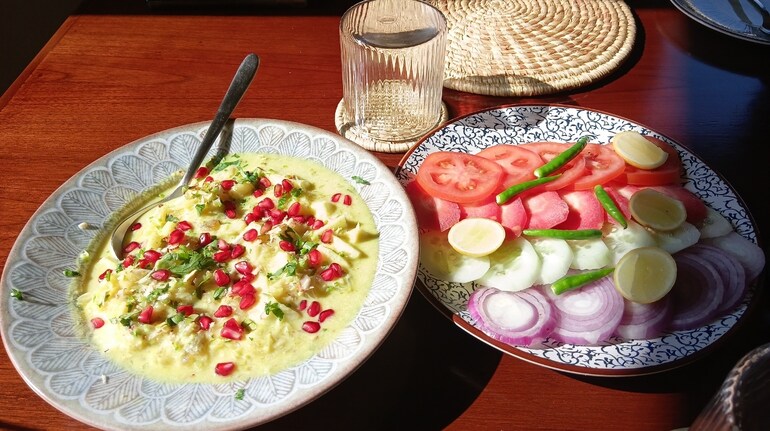

The hills have always promised escape from rushed life, and with the long festive weekend ahead, many youngsters are drawn towards the small and quaint towns of Uttarakhand and Himachal Pradesh.
And, one of the star attractions for Gen Z and millennial travellers now-a-days is to explore the local culinary traditions and gems from offbeat places. For travellers seeking nourishment beyond the ordinary, the hills are serving exactly what the soul ordered.
The aesthetic-driven generation is falling for humble, indigenous pahadi dishes made from locally sourced, seasonal ingredients and flaunting it on their gram to promote the “real” foodie experiences. On slow holidays in Uttarakhand and other Himalayan regions, travellers are trading predictable comfort food for offbeat mountain flavours that nourish both body and spirit.
Also read | From Siddu to Madra: Why Pahadi cuisine is the ultimate winter comfort food
There is a quiet romance in eating what the land offers, exactly when it offers it. Seasonal consumption allows ingredients to be enjoyed at their freshest stage and for visitors exploring hill towns and villages, these dishes offer a genuine taste of the region’s culinary heritage. According to Anirudh Lakhotia, Director at Ivory Destinations Pvt Ltd, indigenous ingredients form the backbone of this culinary revival.
He shares, “Millets like mandua (finger millet) and jhangora (barnyard millet) are naturally gluten-free, support steady energy levels, and are easy to digest — making them ideal for active mountain living. Pahadi pulses such as gahat (horse gram) and bhatt (black soybean) are rich in protein, iron, and natural nutrients that have long been part of traditional home-style cooking. Wild greens like lingda and kandali (nettle leaves) add depth of flavour and nutritional value to seasonal meals. Buransh (rhododendron) flowers, traditionally consumed as a refreshing drink, are appreciated for their vibrant taste and cultural significance in the hills.”
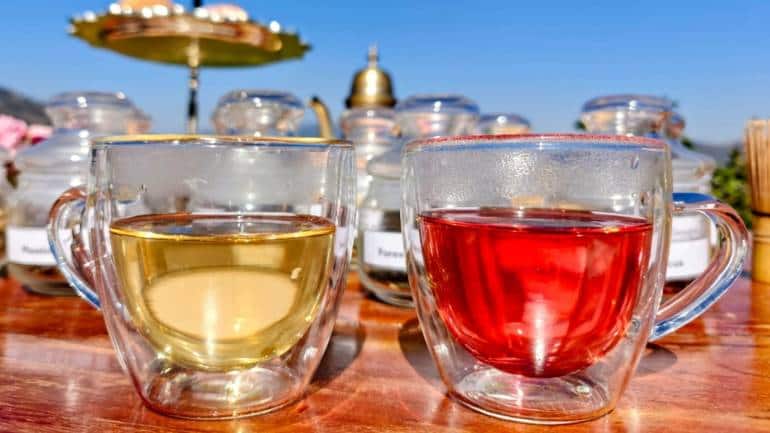 A slow hill holiday now often includes a wellness cup — sipped leisurely on a veranda overlooking terraced valleys
Also read | When you are in Uttarakhand, you eat well and nutritious
What makes pahadi cuisine particularly appealing to today’s traveller is its alignment with modern wellness values. The traditional mountain diet evolved to suit high altitudes and physically demanding lifestyles.
Millets provide slow-release energy; pulses are dense in plant-based protein; foraged greens are packed with antioxidants and minerals. Seasonal, locally grown foods naturally align with the region’s climate and lifestyle needs. Harvested at the right time, they retain optimal nutrient density and robust flavour. For urban visitors accustomed to processed meals, this return to simple, climate-appropriate eating feels restorative.
One of the most charming aspects of this trend is the thoughtful pairing of regional dishes with aromatic teas. A slow hill holiday now often includes a wellness cup -- sipped leisurely on a veranda overlooking terraced valleys. The ultimate “chai on the go” post is mandatory for every traveller that spends time in the hilltops.
In the quest for the perfect post, young foodies are ending their local mandua roti and gahat dal meal with a warm cup of chamomile or hibiscus as the sun dips behind cedar forests. While some are flaunting their ruby-toned buransh infusion after a light lunch of seasonal greens.
The tea has become more than a beverage and symbolic of a slowing down as Lakhotia informs, “Thoughtful pairing of regional cuisine with aromatic teas elevates both flavour and dining experience. Chamomile tea complements hearty millet-based dishes and traditional pahadi thalis by offering a light and soothing finish to meals. Rhododendron infusions pair beautifully with lighter mountain preparations, providing a refreshing contrast while cleansing the palate.”
Disclaimer: This article, including health and fitness advice, only provides generic information. Don’t treat it as a substitute for qualified medical opinion. Always consult a specialist for specific health diagnosis.
Discover the latest Business News, Sensex, and Nifty updates. Obtain Personal Finance insights, tax queries, and expert opinions on Moneycontrol or download the Moneycontrol App to stay updated!
Find the best of Al News in one place, specially curated for you every weekend.
Stay on top of the latest tech trends and biggest startup news.