






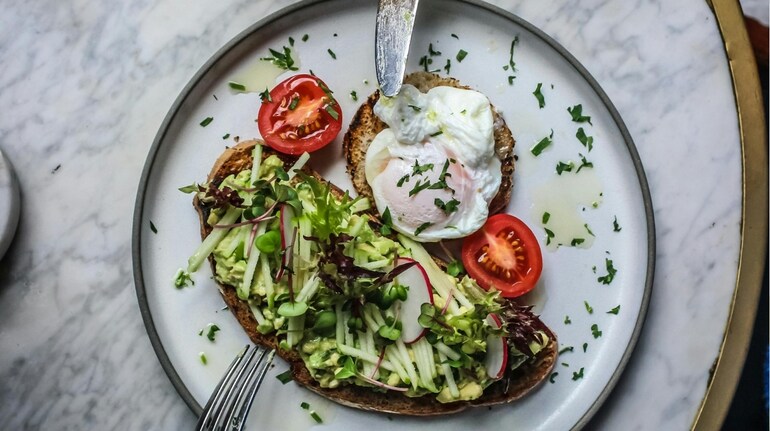

Healthy hair has been found to be closely related to nutrition. Hair follicles are metabolically active, and hence need a constant supply of nutrients. A deficiency of certain vitamins and minerals may lead to thinning of hair and breakage, along with hair fall. A well-balanced diet thus becomes crucial for maintaining the nutrient-requirement of hair. This also supports hair growth and strength and provides shiny hair.
External hair care practices may contribute to appearance, but true nourishment comes from within. When the structural integrity of hair shafts is maintained, it keeps the scalp circulation healthy.
They are considered to be the ideal source of protein because they contain all nine essential amino acids that the body needs for normal functioning. This is essential for formation of the hair shaft and for strength of the hair follicles. Eggs also have zinc and selenium, which promotes scalp health and prevents hair breakage.
Spinach, for one, is rich in iron, folate, and vitamins A and C, along with antioxidants. One of the common causes of hair fall is iron deficiency. This can be combated by consuming spinach and other green, leafy vegetables. Vitamin A has also been found to increase sebum production, which aids in keeping the scalp moisturised.
Daily consumption of almonds, walnuts, flaxseeds and sunflower seeds can help in providing vitamin E and omega-3 fatty acids. They have also been found to offer zinc in decent quantities. These nutrients protect the hair follicles from oxidative stress, and they may also reduce inflammation.
Sources of vitamin C include citrus fruits, strawberries, guava and kiwi. Consumption of these fruits can help in the synthesis of collage, which strengthens hair shafts. Vitamin C also increases the uptake of iron from the gastrointestinal tract, which lowers the risk of iron deficiency, thus reducing hair fall.
Other foods like legumes, pulses, sweet potatoes and dairy products may also provide nutrients that are required for healthy hair. Avocados have also been found to be rich in healthy monounsaturated fats and vitamin E, which can repair damaged hair follicles. Beta-carotenes from carrots can prevent dryness and dandruff as well.
1. Why is nutrition important for hair health?
Hair follicles need adequate nutrients to grow strong hair and maintain a healthy growth cycle.
2. Which nutrients are essential for healthy hair?
Protein, iron, zinc, biotin, omega-3 fatty acids, and vitamins A, C, D, and E.
3. Can poor diet lead to hair fall?
Yes, nutrient deficiencies can weaken hair, slow growth, and increase hair fall.
4. How does protein affect hair growth?
Hair is primarily made of keratin, a protein, so adequate protein intake supports hair strength and growth.
5. How long does it take for diet changes to improve hair health?
Visible improvement usually takes a few weeks to months with consistent healthy eating.Disclaimer: This article only provides generic information. Don’t treat it as a substitute for qualified medical opinion. Always consult a specialist for specific diagnosis.
Discover the latest Business News, Sensex, and Nifty updates. Obtain Personal Finance insights, tax queries, and expert opinions on Moneycontrol or download the Moneycontrol App to stay updated!
Find the best of Al News in one place, specially curated for you every weekend.
Stay on top of the latest tech trends and biggest startup news.





