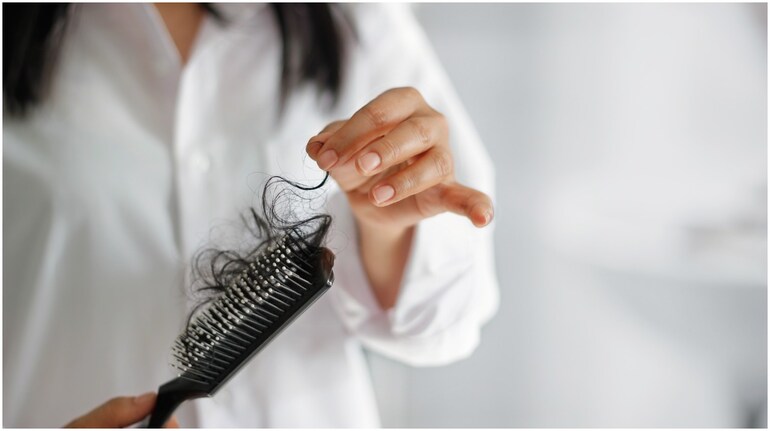

Winter months can be harsh on the hair and seasonal hair fall is a concern many women have. It’s common to lose some hair, but many find that they shed more than usual when the temperature drops. Yet winter weather creates an environment that can wind up damaging your scalp and weakening hair, according to dermatologists.
“When there’s cold air outside and heating indoors, the scalp gets depleted of moisture,” says Dr Neha Mehra, a board-certified dermatologist focusing on hair and scalp disorders and founder of Revive- A Skin and Hair Clinic. “When the scalp is dry and irritated, it causes hair follicles to weaken, which makes you shed more hair,” she says.
The hair too is being affected by our 'winter habits' – long hot showers, low water consumption and the constant use of woollen accessories. Poor blood flow in cooler weather can also reduce the delivery of nutrients to hair follicles. Furthermore, a lack of sunlight may result in lower level of vitamin D for hair growth.
Also Read: Stop hair fall with these dermatologist-approved scalp-care tips
Dr Mehra adds that in general, winter hair fall is a temporary phase and can be contained with care. Root issues can be identified and treated with a suitable hair care regimen for the cool months to help restore hair health.
Scalp massage with warm coconut, almond or castor oil enhances the blood circulation and feeding the roots of Hair. Dr Mehra suggests oiling twice a week to counteract dryness and strengthen your follicles this winter.
Aloe vera hydrates the scalp and eases irritation from dry winter air. Rubbing the scalp with raw aloe vera gel keeps a balance of moisture and stimulates healthy hair growth.
Extremely hot water on the scalp washes away natural oils and makes hair brittle. Dr. Mehra’s advices the use of lukewarm water to prevent dehydration of the scalp in colder months to reduce excessive hair fall.
Yogurt, egg or banana rinses are natural hair masks that contain essential proteins and moisture. Use a mask once a week to restore damaged strands and reduce breakage caused by winter dryness.
Hair fall increases during winter due dehydration. Staying hydrated and eating a diet that is full of iron, biotin, and omega-3 fatty acids encourages hair strength and follicle health from the inside out.
Hair dryers and tons of styling products cause dryness and eventually breakage. Dr Mehra advises air-drying hair when you can and limiting heat to prevent drying out your locks in the winter.
Capping hair in cotton-lined cap or scarf helps shield against cold winds and wool friction. Doing this easy step will provide you with less split ends and prevent hair breakage and dry scalp.
Disclaimer: This article, including health and fitness advice, only provides generic information. Don’t treat it as a substitute for qualified medical opinion. Always consult a specialist for specific health diagnosis.
Discover the latest Business News, Sensex, and Nifty updates. Obtain Personal Finance insights, tax queries, and expert opinions on Moneycontrol or download the Moneycontrol App to stay updated!
Find the best of Al News in one place, specially curated for you every weekend.
Stay on top of the latest tech trends and biggest startup news.