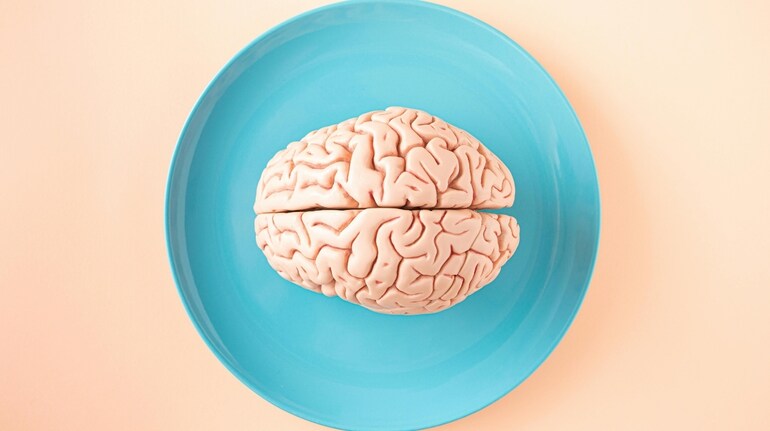
In modern life's hustle-bustle of managing careers, deadlines, and perpetual digital connectivity-stress has become a normal state. But not all mental downturns are "just a tough week." Not every headache, bad mood, or foggy brain is 'just stress' – it may be a warning sign. Millions of individuals with undiagnosed brain health problems dismiss them as 'just stress.'
A look at seven signs your brain may need an overhaul according to Dr. Samriti Arora, Consultant Pathologist, Core Diagnostics.
Persistent brain fog: When you find yourself zoning in and out, or having trouble remembering new this Chronic brain fog is often caused by underlying cognitive or metabolic disorders
Unexplained mood swings: Unexpected floods of worry, irritability, or emotional flatness, particularly without apparent causes, may be indicative of early warning signs of disorders such as depression or anxiety.
Sleep disturbances: A couple of sleepless nights are to be expected. But regular insomnia, sleeping too much, or irregular sleep patterns can affect brain function and signal greater neurological or psychological issues.
Chronic fatigue: When you feel exhausted despite a full night of sleep or taking time off, this persistent fatigue may signal underlying problems like brain inflammation, hormonal disruption, or emotional exhaustion.
Forgetfulness as a pattern: Forgetfulness is normal, but frequent memory lapses such as missed appointments, repeating conversations, or difficulty recalling names can be warning signs of early mental decline.
Lack of motivation or interest: Disengagement from work, hobbies, or social contact isn't necessarily laziness. Apathy or reduced motivation can be an indicator of depression or early brain malfunction.
Family history of brain disorders: A history of neurological disease in your family members, including Alzheimer's, Parkinson's, or dementia, can be a valid reason for getting cognitively screened even at your 30s or 40s as a preventive measure.
When you experience any of these symptoms, don't attribute them to "just stress." Being proactive can establish whether symptoms are stress-related or reflective of underlying neurological or mental disorders. You may consider seeking a discussion with a healthcare professional regarding:
• Tests of cognitive function (computer or clinic-based)
• Blood Tests (Vit B12 & D3, thyroid, inflammatory markers)
• MRI, or CT scan to test for structural problems.
• EEG to analyze brainwave function.
• Mental Health Screenings (Patient Health Questionnaire-9 for depression, Generalized Anxiety Disorder -7 for anxiety)
Stress may ebb and flow, but if your symptoms persist, it is time to stop guessing and begin checking. Your brain is in charge- everything from attention and emotion to sleep and memory relies on it. Treat it with the respect and attention it deserves.
Disclaimer: This article, including health and fitness advice, only provides generic information. Don’t treat it as a substitute for qualified medical opinion. Always consult a specialist for specific health diagnosis
Discover the latest Business News, Sensex, and Nifty updates. Obtain Personal Finance insights, tax queries, and expert opinions on Moneycontrol or download the Moneycontrol App to stay updated!
Find the best of Al News in one place, specially curated for you every weekend.
Stay on top of the latest tech trends and biggest startup news.