






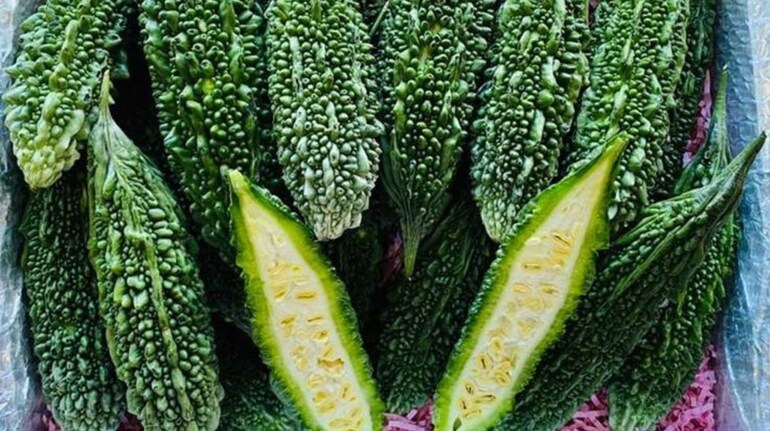

For years, bitterness was the first flavour to be pushed off our plates. As modern diets leaned heavily toward sugar, salt, and ultra-processed convenience foods, bitter tastes quietly disappeared from everyday meals. Today, however, bitter foods are making a strong comeback and are being welcomes by nutritionists, fitness enthusiasts, wellness seekers, and those looking for sustainable ways to “detox” the body using natural foods.
Across ancient health systems such as Ayurveda, Traditional Chinese Medicine (TCM), and European herbalism, bitter-tasting plants were central to daily diets and healing practices. Ingredients like karela (bitter melon), methi (fenugreek), neem, dandelion root, turmeric, and artichoke were valued for their ability to support digestion, cleanse the liver, and restore internal balance. In contrast, modern eating habits, dominated by refined carbohydrates and sugar-laden foods, have dulled our palate and weakened digestive health.
Also Read: Add these vegetables to your daily diet to support fatty liver recovery
As awareness grows around gut health and metabolic balance, bitter nutrition is being rediscovered as a powerful, functional choice. Fitness lovers, in particular, are driving this trend. Bitter foods are known to stimulate digestion by activating saliva, stomach acid, and digestive enzymes, which helps the body absorb nutrients more efficiently. Compounds in bitter foods activate specialised bitter taste receptors called T2Rs, found not just on the tongue but also throughout the digestive tract. These receptors signal the body to increase bile production, improve gut motility, and support liver detoxification.
Desi bitter foods are gaining special attention for their everyday accessibility and proven benefits. Karela is widely used to regulate blood sugar and improve insulin sensitivity, making it popular among those managing weight or metabolic health. Methi seeds and leaves support digestion, reduce inflammation, and help control appetite. Kachhi haldi (raw turmeric) is valued for its antioxidant and anti-inflammatory properties, often consumed in small quantities to support immunity and liver health. Neem, though intensely bitter, is known for its blood-purifying and skin-clearing benefits.
One reason bitter foods are trending is their role in natural detoxification. Herbs like dandelion root, milk thistle, and artichoke support the liver’s detox pathways, helping the body flush out toxins more efficiently. Improved liver function often shows visible results like clearer skin, reduced acne and eczema, and improved energy levels. Bitter greens such as kale, arugula, and endive also contribute to cardiovascular health by reducing cholesterol and improving blood flow.
Another key benefit is appetite and craving control. Bitter foods naturally reduce cravings for overly sweet and processed foods by balancing hunger hormones like ghrelin. This makes them especially appealing to those following mindful eating or weight-management routines. Research in functional nutrition also suggests that bitterness helps regulate blood sugar levels, preventing spikes and crashes that lead to fatigue and overeating.
Also Read: Top doctor shares 5 vegetables that can give a boost to your liver health
Beyond physical health, traditional systems view bitterness as a cooling element. It is believed to clear excess internal heat, support emotional stability, and promote mental clarity and calmness. Rich in antioxidants and phytonutrients, bitter foods protect cells from oxidative stress, strengthen immunity, reduce chronic inflammation, and support hormonal balance in both men and women. They also encourage the growth of beneficial gut bacteria, reinforcing long-term digestive and immune health.
1. What are the health benefits of consuming bitter foods?
Bitter foods support digestion, liver detoxification, blood sugar regulation, appetite control, and cardiovascular health. They are also rich in antioxidants and phytonutrients.
2. How do bitter foods aid in detoxification?
Bitter foods like dandelion root, milk thistle, and artichoke support the liver's detox pathways, helping the body to flush out toxins more efficiently.
3. Can bitter foods help with weight management?
Yes, bitter foods balance hunger hormones and reduce cravings for sweet and processed foods, making them beneficial for weight management.
4. Why are bitter foods important for gut health?
Bitter foods activate specialised taste receptors in the digestive tract, which stimulate digestion, increase bile production, and improve gut motility.
5. Are there traditional health practices that recommend bitter foods?
Yes, ancient health systems such as Ayurveda, Traditional Chinese Medicine, and European herbalism have long valued bitter foods for their health benefits.
Disclaimer: This article, including health and fitness advice, only provides generic information. Don’t treat it as a substitute for qualified medical opinion. Always consult a specialist for specific health diagnosis.
Discover the latest Business News, Sensex, and Nifty updates. Obtain Personal Finance insights, tax queries, and expert opinions on Moneycontrol or download the Moneycontrol App to stay updated!
Find the best of Al News in one place, specially curated for you every weekend.
Stay on top of the latest tech trends and biggest startup news.





