






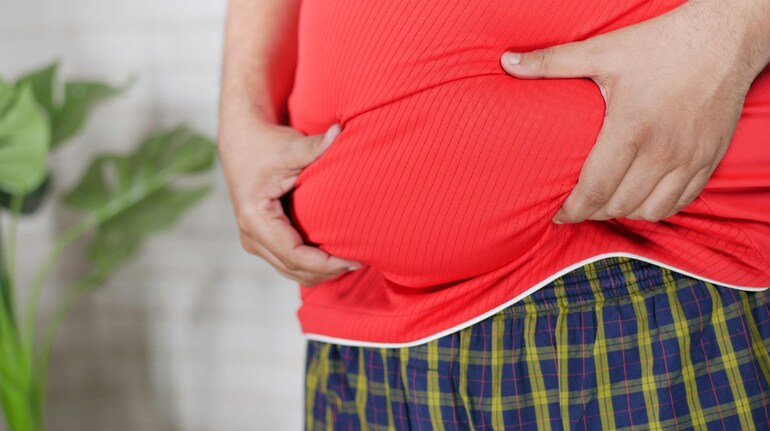

Harvard and AIIMS trained doctor Saurabh Sethi, MD MPH, in a recent post on Instagram, revealed why does the belly grow after 30, even when nothing else has changed? His answer struck a nerve with thousands who feel their bodies no longer play by the old rules.
For many people, the early thirties arrive with an unwelcome surprise. The same meals suddenly feel heavier. The same workouts seem less rewarding. And a single weekend of indulgence lingers far longer than it used to. “This isn’t random,” Dr. Sethi explains. “It’s biology.” Muscle tissue, he adds, is responsible for roughly 70 to 80 per cent of how the body clears glucose from the bloodstream. As muscle mass declines, something that begins naturally after 30, sugar stays in circulation longer and is more easily stored as fat, particularly around the abdomen.
After 30, adults often lose between three and eight per cent of muscle per decade. Less muscle means fewer calories burned at rest. Dr. Sethi says that even losing a single kilogram of muscle can lower daily energy expenditure. The body becomes more efficient, but not in the way most people want.
A post shared by Saurabh Sethi MD MPH | Gastroenterologist (@doctor.sethi)View this post on Instagram
Hormones also shift with age. Growth hormone declines. Testosterone and oestrogen gradually fall. Cortisol, the stress hormone, tends to rise. “This combination,” says Dr. Sethi, “creates the perfect environment for fat storage, especially in the belly.” At the same time, insulin sensitivity drops by around four to five per cent per decade. As a result, the same carbohydrates now cause bigger blood sugar spikes, pushing the body to store fat faster, and preferentially at the waist.
This process accelerates in people with underlying metabolic strain. Fatty liver disease, prediabetes, diabetes, and high triglycerides all amplify insulin resistance. “When insulin resistance increases,” Dr. Sethi explains, “fat is redirected straight to the abdomen and liver.”
The result is visceral fat, the deep fat wrapped around vital organs. Unlike the fat under the skin, this type actively worsens inflammation and insulin resistance. It’s less visible at first, but far more dangerous.
Also read: Doctor says these 3 medicines can save a heart attack patient
Dr. Sethi says no extremes are required. No detoxes. No miracle plans. Listed below are the things one must follow.
Q. What causes an increase in belly fat?
Poor diet, lack of exercise, stress, poor sleep and hormonal changes.
Q. Is belly fat linked to health risks?
Yes, it increases the risk of heart disease and diabetes.
Q. Does stress contribute to belly fat?
Yes, high cortisol levels promote fat storage around the abdomen.
Q. Can poor sleep increase belly fat?
Yes, lack of sleep affects hormones that control appetite.
Q. Is belly fat only a weight issue?
No, even people with normal weight can have belly fat.
Disclaimer: This article, including health and fitness advice, only provides generic information. Don’t treat it as a substitute for qualified medical opinion. Always consult a specialist for specific health diagnosis.
Discover the latest Business News, Sensex, and Nifty updates. Obtain Personal Finance insights, tax queries, and expert opinions on Moneycontrol or download the Moneycontrol App to stay updated!
Find the best of Al News in one place, specially curated for you every weekend.
Stay on top of the latest tech trends and biggest startup news.





