Most people worry about the fat they can see, the soft layer around the stomach. But the real threat lies deeper. Visceral fat, the dangerous fat stored deep inside the abdomen, isn’t always visible, but it has a powerful influence on long-term health. It sits just under the skin, visceral fat wraps around organs such as the liver, pancreas and intestines. It behaves more like an active gland, triggering inflammation, disrupting metabolism and elevating the risk of type 2 diabetes, prediabetes, fatty liver and cardiovascular disease.
As belly fat is often assumed to be one single layer, many people confuse the soft, pinchable fat on the outside with the hidden, more harmful fat inside. Subcutaneous fat is largely cosmetic. Visceral fat, however, stays out of sight — and its impact on health is far more serious.
“Visceral fat is the most dangerous fat in your body. It hides around your organs, increases inflammation, stresses your liver, and disrupts your metabolism,” said Dr Saurabh Sethi, a gastroenterologist trained at AIIMS, Harvard and Stanford.
While exercise helps, Dr Sethi emphasises that diet is one of the most powerful tools for controlling visceral fat. In a recent Instagram post, he listed seven foods he frequently recommends to patients based on “thousands of scans and labs” he has reviewed.
A post shared by Saurabh Sethi MD MPH | Gastroenterologist (@doctor.sethi)View this post on Instagram
Green tea contains EGCG, a catechin that helps burn fat and targets deep stomach fat. Drinking a cup can bring steady benefits when you add lemon, which helps your body absorb more antioxidants.
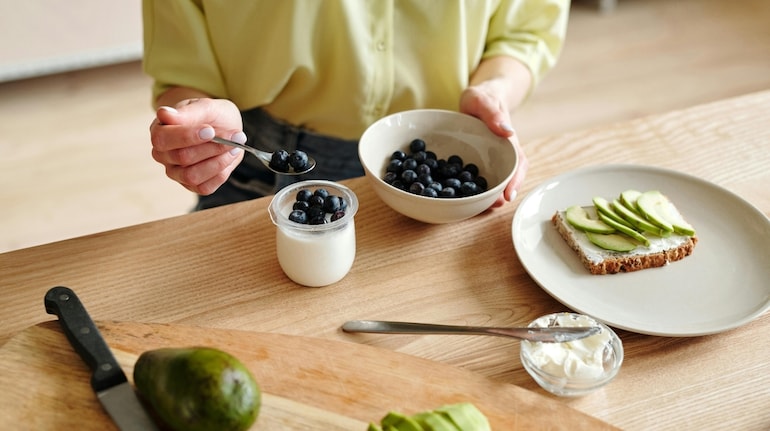
Avocados have lots of monounsaturated fats and soluble fibre, which help control hunger and improve how your body responds to insulin. Eating them often has been tied to less belly fat even without strict dieting. If you prefer Indian options, coconut gives you similar healthy fats.
These veggies are packed with fibre, antioxidants, and micronutrients that help you feel full, support liver and gut health, and keep your blood sugar steady. Eating just one serving a day can make a big difference in your body's health.
Also Read: More muscle mass and less belly fat will slow down brain ageing, says study
Omega-3 fatty acids in fatty fish help cut down inflammation and boost how well insulin works — both key to handling belly fat. Dr Sethi says to eat it twice a week.
EVOO has a lot of polyphenols and good fats. It helps your body break down fat and reduces swelling. When you swap out refined seed oils for EVOO - or switch between it and cold-pressed mustard oil - your body tends to work better.
Greek yoghurt has plenty of protein and good bacteria. It keeps your gut healthy, which matters a lot for how your body stores fat and deals with swelling. Dr Sethi points out that people who eat lots of fermented foods have less fat around their organs.
Blueberries are loaded with anthocyanins — antioxidants that ease inflammation, improve insulin sensitivity and reduce fat in the liver and abdomen. Dr Sethi includes them in his daily smoothie. Amla is a local, affordable antioxidant substitute.
Research shows that reducing visceral fat is not just about cutting calories — it’s about upgrading nutrient quality. Diets rich in fibre, antioxidants, healthy fats and lean protein and low in refined sugars, trans fats and ultra-processed foods can:
Together, these changes reduce the body's tendency to store fat around vital organs.
1. Can green tea really help reduce visceral fat?
Yes, green tea contains EGCG, a catechin that helps burn fat and targets deep stomach fat. Adding lemon can boost the absorption of antioxidants.
2. Are avocados effective in reducing belly fat?
Avocados are rich in monounsaturated fats and soluble fibre, which help control hunger and insulin response, contributing to less belly fat even without strict dieting.
3. How do leafy greens and cruciferous vegetables aid in reducing visceral fat?
These vegetables are packed with fibre, antioxidants, and micronutrients that support liver and gut health and help keep blood sugar steady, making a significant difference in your body's health.
4. What role do fatty fish play in reducing visceral fat?
Fatty fish contain Omega-3 fatty acids that help reduce inflammation and enhance insulin function, which are crucial for managing belly fat.
5. Is extra-virgin olive oil beneficial for reducing visceral fat?
Yes, EVOO is rich in polyphenols and healthy fats that help break down fat and reduce inflammation. Swapping refined seed oils for EVOO can improve body function.
Disclaimer: This article, including health and fitness advice, only provides generic information. Don’t treat it as a substitute for qualified medical opinion. Always consult a specialist for specific health diagnosis.

Discover the latest Business News, Sensex, and Nifty updates. Obtain Personal Finance insights, tax queries, and expert opinions on Moneycontrol or download the Moneycontrol App to stay updated!
Find the best of Al News in one place, specially curated for you every weekend.
Stay on top of the latest tech trends and biggest startup news.