






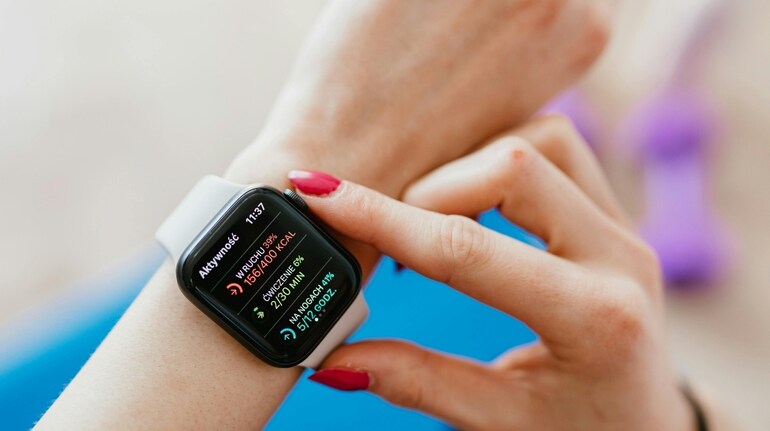

In the modern times, wearable devices have tip-toed into daily life. On wrists, in pockets and even stitched into fabrics, these gadgets have become personal health companions, pushing you to stand, walk, breathe and sleep better. Thus blurring the line between lifestyle and medicine. For many, tracking steps evolved into self-care; heart-rate graphs became early warnings; and wellness dashboards now sit alongside weather apps on our screens.
According to the World Health Organization’s (WHO) recent technical meeting report, “Measuring Physical Activity in Adults Using Wearable Technologies: Report of a Scientific Meeting, 10–12 June 2025, Montreal, Canada” global experts are urgently refining how wearable technologies measure physical activity and sedentary behaviour. These devices offer a window into population-level trends and personal lifestyles, yet the science must keep pace with innovation.
WHO’s work focuses on defining reliable metrics and protocols to ensure that data from wearables can support meaningful public health action. The report emphasises that as the world deals with rising inactivity and its health consequences, accurate surveillance, powered by wearables, could sharpen your understanding of physical activity, swaying policy and personal motivation alike.
As per the National Institutes of Health (NIH) perspective, the promise of wearables extends far beyond counting steps. NIH-led studies show that when a smartwatch streams continuous personal health data, heart rate, movement, sleep cycles — researchers and clinicians can detect subtle changes long before symptoms surface, even spotting early signs of infection or stress-induced physiological shifts.
Moreover; a large NIH survey found that almost one in three adults uses wearable devices to track health, and many are willing to share these insights with doctors, opening a bridge between personal tech and clinical care.
These have become the poster child of wearables. Devices like Apple Watch and Fitbit track steps, heart rate, sleep and blood oxygen. They nudge behaviour change and offer alerts if something unusual appears.
Slim, lightweight and often more affordable, fitness bands gently push users towards healthier rhythms, reminding them to move, hydrate and rest.
For diabetics, real-time glucose insights are life-changing, translating sweat or interstitial patterns into numbers that can guide treatment.
Sleek and subtle, these ring-shaped sensors measure sleep quality, heart rate variability and activity, ideal for discreet wellness tracking.
Closer to clinical wearables, these give cardiologists rich data streams on rhythm and electrical activity: potentially spotting arrhythmias early.
New sensors now study air quality, volatile chemicals and even ozone exposure alongside physiological data, offering an expanded view of health beyond the human body.
Continuous data reveals changes before symptoms appear.
From glucose to heart health, wearables support long-term care.
Behaviour nudges turn intentions into actions.
Clinicians can monitor patients between appointments.
Early intervention cuts emergency visits and long stays.
What are smart wearables?
Smart wearables are electronic devices that are worn on the body and are equipped with sensors to monitor and collect data on various health and fitness metrics.
How do smart wearables contribute to preventive healthcare?
Smart wearables provide continuous monitoring of health metrics, which can help detect early signs of health issues, manage chronic diseases, and motivate healthier behaviours.
Can smart wearables replace regular medical check-ups?
No, smart wearables are not a substitute for regular medical check-ups but can complement them by providing continuous health data that can be shared with healthcare professionals.
Are smart wearables suitable for everyone?
While smart wearables can benefit many people, their suitability depends on individual health needs and preferences. It is always best to consult a healthcare professional before starting to use a wearable device.
Disclaimer: This article, including health and fitness advice, only provides generic information. Don’t treat it as a substitute for qualified medical opinion. Always consult a specialist for specific health diagnosis.
Discover the latest Business News, Sensex, and Nifty updates. Obtain Personal Finance insights, tax queries, and expert opinions on Moneycontrol or download the Moneycontrol App to stay updated!
Find the best of Al News in one place, specially curated for you every weekend.
Stay on top of the latest tech trends and biggest startup news.





